
Skip to product information


Montana Mango Apricot (Spring 2027)
$49.99
Reliable shipping
Flexible returns
Pollination
Partly self-fertile
Bloom group
2 of 7 (Early)
Ripening
Will it finish before your first hard freeze?
Check it on the Ripening Map (opens in a new tab)
Disease resistanceNot tested yet
- ? Bacterial canker : Unknown, no published data yet
- ? Bacterial spot : Unknown, no published data yet
- ? Brown rot : Unknown, no published data yet
- ? Cytospora canker : Unknown, no published data yet
- ? Shot hole : Unknown, no published data yet
Scored 1 to 5. Higher resists better, and ? means no published data yet.
See it on our apricot disease chart (opens in a new tab)At a glance: Montana Mango Apricot is an apricot tree rated hardy to zone 3b in our ratings (winters to -35°F), and partially self-fertile, so a second variety nearby makes crops more dependable (bloom group 2 of 7, early for an apricot).
| Hardy to | Zone 3b to 7. The b means the warmer half of zone 3 only (winters to -35°F). Find your zone with our cold hardiness calculator. |
|---|---|
| Chill hours | About 600 hours (400 to 800). Our estimate. No published figure exists for this variety yet. Montana winters give it plenty. In milder climates, make sure your winters average at least this much. Check your chill hours or see our sources. |
| Pollination | Partially Self-Fertile. Bloom group 2 of 7 (early), very early spring here. No one has tested whether it sets fruit alone, so plant another early apricot, such as Westcot or Morden 604, as a pollenizer for reliable crops. Nearby varieties that can boost the crop: Morden 604 Apricot, Westcot Apricot, Debbie's Gold Apricot, Manchurian Apricot (Bundle of 2) and 6 more. Bloom group is our estimate from the variety's origin and relatives. Apricot Pollination Map. |
| Rootstock and size | Manchurian: full size, about 15 to 20 ft tall unpruned. The hardiest apricot root there is. Our rootstock guide. |
| Good for | Fresh eating (9/10), jams and jellies (6/10). Scores are our own 1 to 10 ratings; 8 and up makes our Best Of lists. |
| Deer | Sometimes damaged by deer. |
| What you get | Bare root, 3-5 ft or 5-7 ft or 6-8 ft. Shipped or picked up in Missoula in spring, roots wrapped in moist sawdust. Guaranteed to bud out. |
Overview
Luke was completely taken aback the first time he tasted this wild, presumably Manchurian apricot seedling, which has been thriving in Missoula for at least 75 years. Introduced to us by our friend Doug Hawes-Davis in 2020, this is hands down the best-tasting Manchurian apricot seedling we've ever tried.
Despite several setbacks in grafting this variety (entirely due to our own errors), we're thrilled to finally offer it grafted onto Manchurian Apricot, which should be well worth growing.
A Flavor That Surprises: Notes of Mango
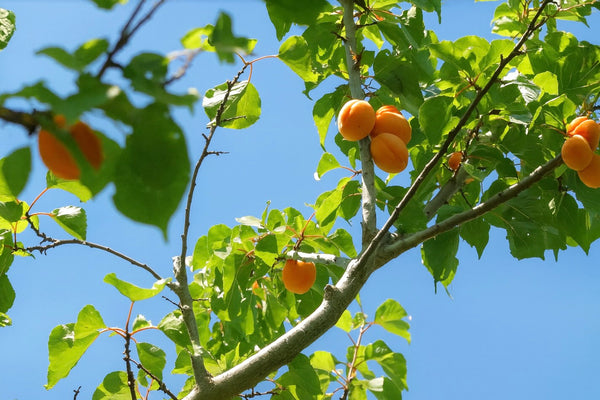
When Luke first bit into the fruit, the flavor immediately reminded him of mango. The ripe fruit has a sweet-tart profile with intensely tropical notes and a color to match—rich yellow with an orangish-red blush, just like a mango.
Cold Hardiness
-
Hardy to at least -35°F
-
May be even hardier, though the mother tree grows in a somewhat protected location
-
It survived the sub -30°F winters of the 1980s, giving us confidence in its resilience
While most Manchurian apricots are known to handle even colder temperatures, we are erring on the side of caution in listing its hardiness until we have more data.
Questions we get about Montana Mango Apricot
Does Montana Mango Apricot need a pollenizer?
It helps. Montana Mango Apricot is partially self-fertile, so it can set some fruit alone, but a second variety nearby makes crops more dependable. No one has tested whether it sets fruit alone, so plant another early apricot, such as Westcot or Morden 604, as a pollenizer for reliable crops. Partners we carry include Morden 604 Apricot, Westcot Apricot, Debbie's Gold Apricot.
How cold hardy is Montana Mango Apricot?
We rate Montana Mango Apricot hardy to zone 3b, which means winters down to about -35°F. Our ratings come from real winters at our two Montana sites and from trusted growers across the North, not from a catalog average.
How many chill hours does Montana Mango Apricot need?
About 600 hours of winter chill (we count hours at or below 45°F), likely somewhere between 400 and 800. Nobody has published a chill figure for it, so that's our estimate from its relatives and origin. Montana winters cover its chill easily. The real risk is early bloom, so a spot that warms slowly in spring helps dodge frost. Our chill hours guide has a calculator for your winters, and our research page lists the sources.
How big does Montana Mango Apricot get?
We graft Montana Mango Apricot onto Manchurian (full size), which makes a tree roughly 15 to 20 ft tall if you never prune it.
What is Montana Mango Apricot good for?
Our top use scores for Montana Mango Apricot are fresh eating (9/10), jams and jellies (6/10). Anything scored 8 or higher makes our Best Of lists.
Is Montana Mango Apricot disease resistant?
We don't know yet. Nobody has published solid disease data on Montana Mango Apricot for bacterial canker, bacterial spot, brown rot, cytospora canker and shot hole, so we list it as unknown instead of guessing. That doesn't mean it's weak. Plenty of the plants we grow have never been through formal disease trials. Our apricot disease resistance chart has every rating, the notes and the sources.
Will deer eat Montana Mango Apricot?
Sometimes. Deer browse Montana Mango Apricot now and then, so protect young plants where deer pressure is high.
What arrives, and when does Montana Mango Apricot ship?
A dormant bare-root plant, roots wrapped in moist sawdust with a vapor barrier, shipped or picked up in Missoula in spring. Sizes offered: 3-5 ft or 5-7 ft or 6-8 ft. We guarantee our plants bud out. Stone fruits can be slow, so if one still has not budded out by August 15, write to us and we credit you for the following spring.
More Plants Like This
By Zone
Best For
Pollination, Bloom & Ripening
Pollination partners
Partners for a bigger Montana Mango Apricot crop
Montana Mango Apricot sets some fruit on its own, but a lot more with a partner. Every tree below blooms at the same time and has pollen that works for it.
Bloom group
2 of 7 (Early)
Pollination
Partly self-fertile
Pollen
Good pollenizer
-
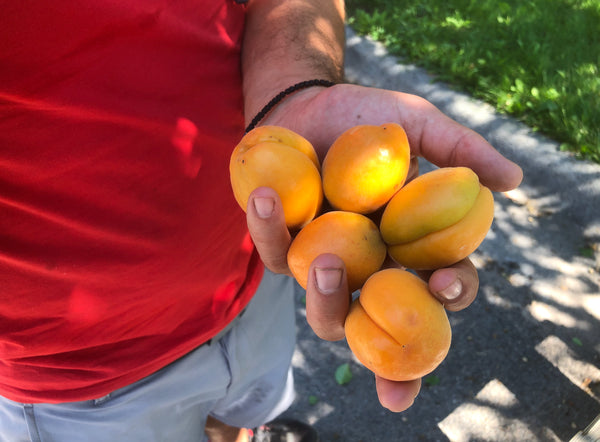 Morden 604 Apricot(Spring 2027)
From $49.99
-
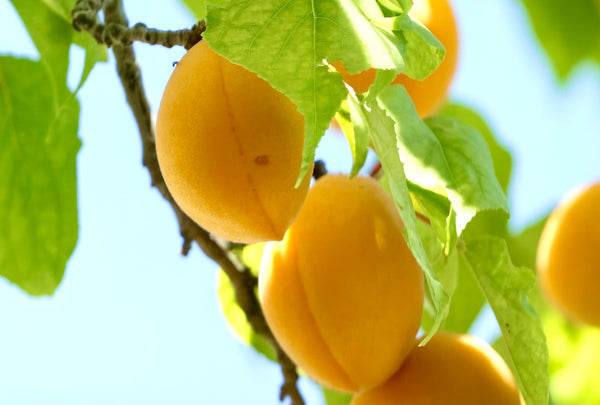 Westcot Apricot(Spring 2027)
From $49.99
-
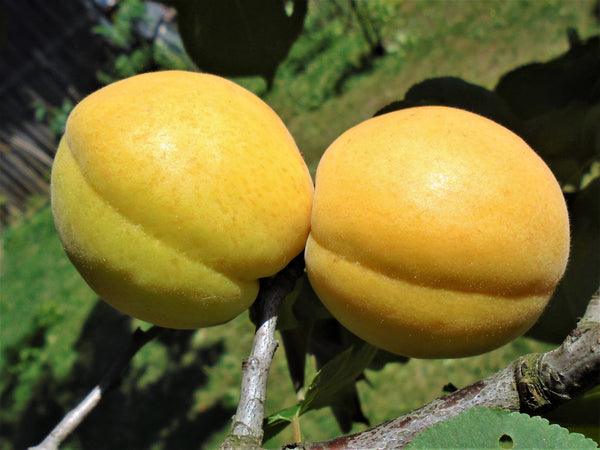 Debbie's Gold Apricot(Spring 2027)
From $54.99
-
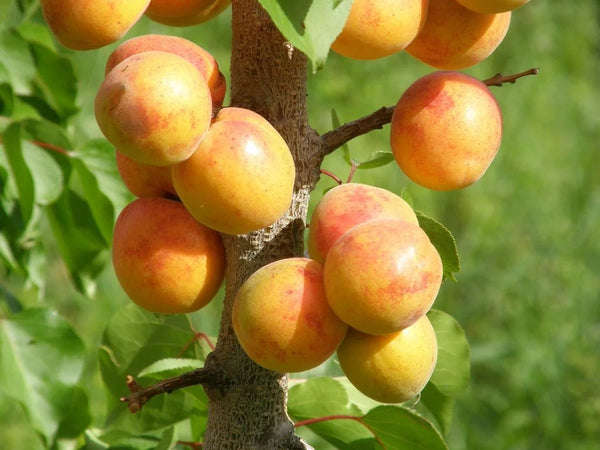 Manchurian Apricot(Bundle of 2) | Spring 2027
From $69.99
-
 Tomcot Apricot(Spring 2027)
From $49.99

See every pairing on the Apricot Pollination Map
Montana Mango Apricot's bloom group is our best estimate. Watch it bloom and tell us what you see.