
Skip to product information


Golden Currant (Bundle of 3)
$89.99
Reliable shipping
Flexible returns
Ripening
Will it finish before your first hard freeze?
Check it on the Ripening Map (opens in a new tab)At a glance: Golden Currant is a currant shrub rated hardy to zone 2 in our ratings (winters to -50°F), and partially self-fertile, so a second variety nearby makes crops more dependable.
| Hardy to | Zone 2 to 8. A bare number means the whole of zone 2, colder half included (winters to -50°F). Find your zone with our cold hardiness calculator. |
|---|---|
| Pollination | Partially Self-Fertile. Bloom group 2 of 7 (early), very early spring here. Plant all three together. Golden currant may set some fruit alone, but different seedlings pollenize each other for a better crop. Its early fragrant flowers are great spring bee food. Nearby varieties that can boost the crop: Black Velvet Gooseberry (Bundle of 2), Captivator Gooseberry (Bundle of 2), Hinnomaki Red Gooseberry (Bundle of 2), Invicta Gooseberry (Bundle of 2). Bloom group is our estimate from the variety's origin and relatives. Currant & Gooseberry Pollination Chart. |
| Good for | Jams and jellies (8/10), feeding wildlife (8/10), pollinators (8/10), ornamental value (8/10), windbreaks and hedgerows (7/10), pies and baking (6/10). Scores are our own 1 to 10 ratings; 8 and up makes our Best Of lists. |
| Deer | Seldom badly damaged by deer. |
| What you get | Bare root, 3-5 ft. Shipped or picked up in Missoula in spring, roots wrapped in moist sawdust. Guaranteed to bud out. |
Overview
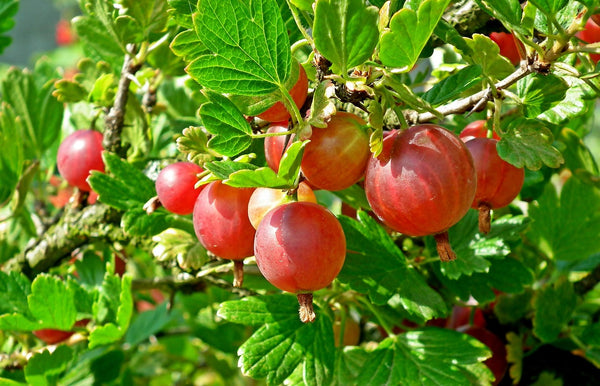
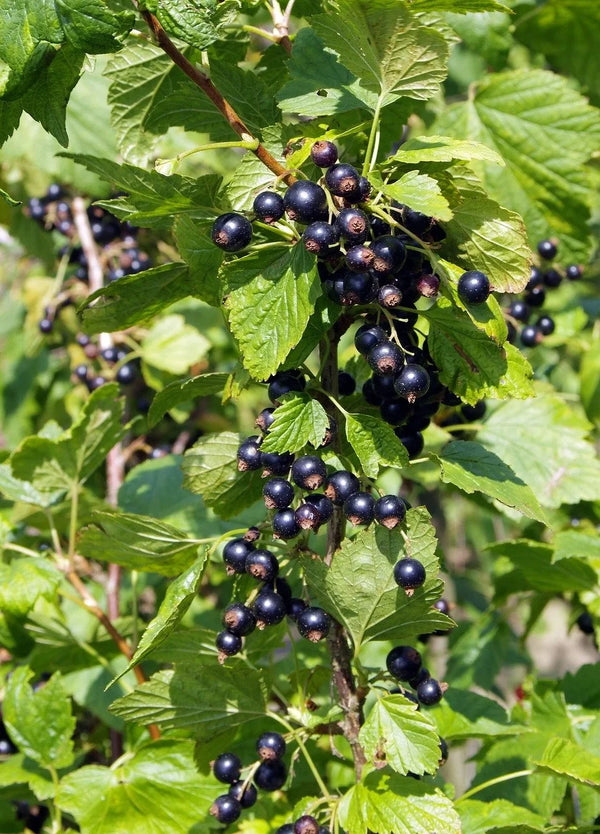
Golden Currant is native to North America, with fragrant yellow flowers in the spring and sweet, scrumptious berries that are 6-10 mm diameter, globose to ellipsoid, ripening from green to yellow to red and finally black to dark purple.
Great Fit for Montana Gardens
Reaching 4–5 feet tall at maturity, these do well in all parts of Montana. A must for cold-climate growers.
Cold-Hardy and Tough
Hardy to Zone 2 (-40°F or more)
Current Plant Size
These shrubs are currently 3-5 ft. tall
Photo by Al Schneider
Shipping restrictions: white pine blister rust quarantine
All Ribes (currants and gooseberries) are alternate hosts for white pine blister rust, and golden currant (Ribes aureum) is named specifically in several state quarantines. We cannot ship this plant to Delaware, New Hampshire, North Carolina, or Rhode Island, where its sale or importation is prohibited by state law.
Permit or county-level restrictions also apply in: Maine, Massachusetts, New Jersey, and West Virginia (prohibited in specific counties or townships) and Michigan and New York (state permit required). Please check your local rules before ordering.
Orders placed to a prohibited state will be cancelled and refunded.
Questions we get about Golden Currant
Does Golden Currant need a pollenizer?
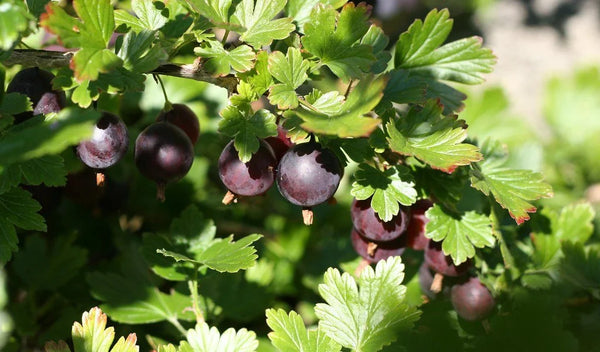
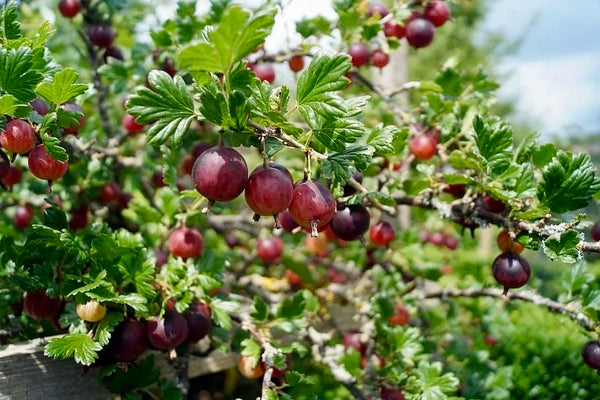
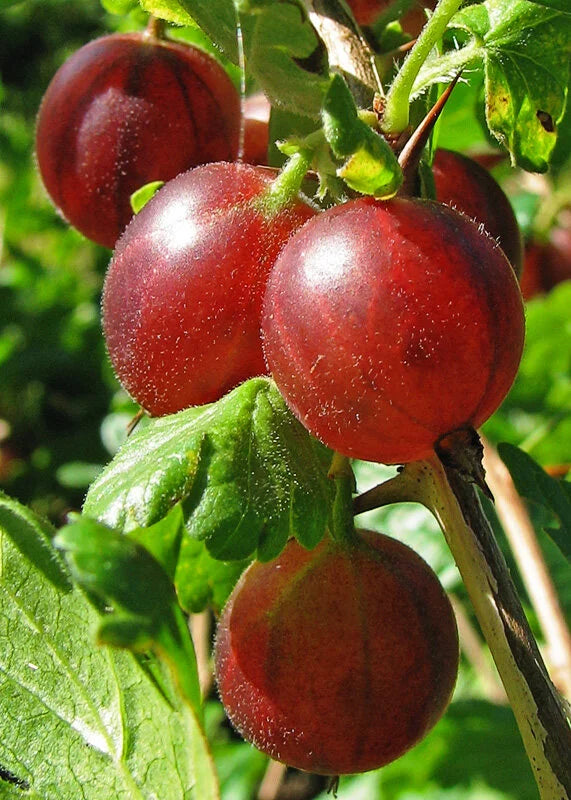
It helps. Golden Currant is partially self-fertile, so it can set some fruit alone, but a second variety nearby makes crops more dependable. Plant all three together. Golden currant may set some fruit alone, but different seedlings pollenize each other for a better crop. Its early fragrant flowers are great spring bee food. Partners we carry include Black Velvet Gooseberry (Bundle of 2), Captivator Gooseberry (Bundle of 2), Hinnomaki Red Gooseberry (Bundle of 2).
How cold hardy is Golden Currant?
We rate Golden Currant hardy to zone 2, which means winters down to about -50°F. Our ratings come from real winters at our two Montana sites and from trusted growers across the North, not from a catalog average.
What is Golden Currant good for?
Our top use scores for Golden Currant are jams and jellies (8/10), feeding wildlife (8/10), pollinators (8/10), ornamental value (8/10). Anything scored 8 or higher makes our Best Of lists.
Will deer eat Golden Currant?
Not badly. Deer may nibble Golden Currant, but they seldom do real damage.
What arrives, and when does Golden Currant ship?
A dormant bare-root plant, roots wrapped in moist sawdust with a vapor barrier, shipped or picked up in Missoula in spring. Sizes offered: 3-5 ft. We guarantee our plants bud out. Stone fruits can be slow, so if one still has not budded out by August 15, write to us and we credit you for the following spring.
Pollination partners
Partners for a bigger Golden Currant crop
Golden Currant sets some fruit on its own, but a lot more with a partner. Every tree below blooms at the same time and has pollen that works for it.
Bloom group
2 of 7 (Early)
Pollination
Partly self-fertile
Pollen
Good pollenizer
-
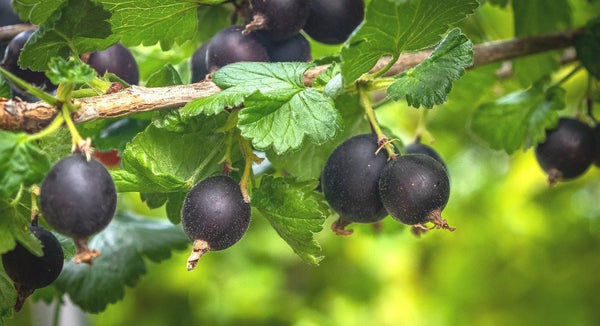 Jostaberry(Bundle of 3)
$59.99
Jostaberry(Bundle of 3)
$59.99
See every pairing on the Currant & Gooseberry Pollination Chart
Golden Currant's bloom group is our best estimate. Watch it bloom and tell us what you see.