Skip to product information


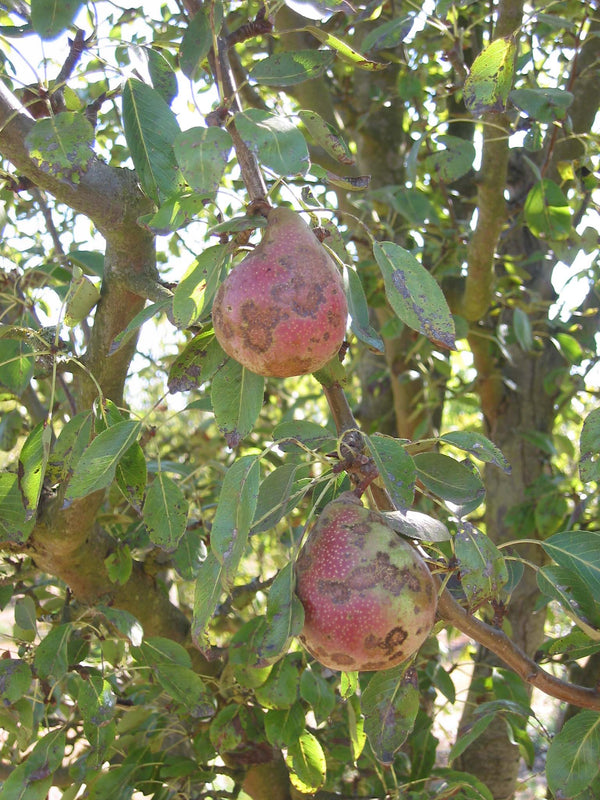
Concorde Pear (Spring 2027)
$39.99
Reliable shipping
Flexible returns
Pollination
Self-fertile
Bloom group
5 of 7 (Mid-Late)
Ripening
Will it finish before your first hard freeze?
Check it on the Ripening Map (opens in a new tab)
Disease resistanceResists 1 of 2
- 2 Fire blight : Susceptible, 2 of 5
- 4 Pear scab : Resistant, 4 of 5
Scored 1 to 5. Higher resists better, and ? means no published data yet.
See it on our pear disease chart (opens in a new tab)At a glance: Concorde Pear is a pear tree rated hardy to zone 4 from other growers' reports (winters to -30°F), and self-fertile, so one tree can crop (bloom group 5 of 7, mid-late for a European pear).
| Hardy to | Zone 4 to 8. A bare number means the whole of zone 4, colder half included (winters to -30°F). Find your zone with our cold hardiness calculator. |
|---|---|
| Chill hours | About 750 hours (600 to 950). Our estimate. No published figure exists for this variety yet. Montana winters give it plenty. In milder climates, make sure your winters average at least this much. Check your chill hours or see our sources. |
| Pollination | Self-Fertile. Bloom group 5 of 7 (mid-late), mid spring here. Concorde is about as self-fertile as pears get and will usually crop alone. A partner that blooms with it, such as Clapp's Favorite, can still add to the crop. Nearby varieties that can boost the crop: Clapp's Favorite Pear, Clara Frijs Pear, Cold Snap® Pear, Golden Russet Bosc Pear and 17 more. Pear Pollination Map. |
| Rootstock and size | OHxF 87: semi-dwarf, about 14 to 19 ft tall unpruned. The most precocious OHxF stock. Plant about 15 ft apart. Our rootstock guide. |
| Good for | Cooking and roasting (9/10), fresh eating (8/10), winter storage (8/10), pies and baking (8/10), salads and slicing (6/10), perry (6/10). Scores are our 1 to 10 ratings, but we're still new to this one, so they lean on published descriptions and other growers rather than our own harvests. 8 and up makes our Best Of lists. |
| Deer | Sometimes damaged by deer. |
| What you get | Bare root, 2-4 ft. Shipped or picked up in Missoula in spring, roots wrapped in moist sawdust. Guaranteed to bud out. |
This is our first year growing Concorde, so everything below is secondhand until we get more long-term data from our own mother trees.
Overview
Concorde is an English pear from a cross of Conference and Comice. It's big, long-necked and sweet, and it's one of the better keepers among the pears we carry.
Origin and History
Bob Purvis describes it as "a British cross of Conference x Comice," and it was introduced in England in the 1980s. The USDA's pear genebank in Corvallis, Oregon holds it and notes that it has fruited in Anchorage, Alaska.
Fruit and Uses
According to Purvis, "fruits are large with long necks, excellent sweet flavor, and keep till April in cold storage." He also notes the skin is easily damaged in long-distance shipping, which matters more to commercial growers than to backyard ones. It's mainly a fresh-eating pear.
Growth Habit and Spacing
Ours are on OHxF 87 semi-dwarf rootstock, which runs about 75% the size of a full size pear. Plan on about 15 feet between trees, 12 feet if you're committed to pruning, or up to 18 feet for more room. Purvis calls the tree upright to spreading, moderate in vigor, precocious, "grower friendly," and says it spurs up well. On fire blight the sources disagree. Purvis has seen some resistance, while other references list it as susceptible, so don't count on it.
Pollination
Concorde is generally described as self-fertile and will usually crop alone, but we haven't confirmed it ourselves yet, so another pear that blooms with it is cheap insurance for a bigger crop. It blooms mid to mid-late, and Clapp's Favorite, Clara Frijs, Cold Snap, Golden Russet Bosc and Harrow Sweet all overlap.
Cold Hardiness
Purvis reports Concorde "fully winter-hardy at -34F in SW Minnesota," and the USDA genebank records it fruiting in Anchorage. We've listed it at zone 4.
Photo credit: USDA-ARS National Plant Germplasm System, National Clonal Germplasm Repository, Corvallis, Oregon, accession PI 665740. Public domain (U.S. government work).
Questions we get about Concorde Pear
Does Concorde Pear need a pollenizer?
No. Concorde Pear is self-fertile, so a single tree can usually set fruit. A partner that blooms with it, such as Clapp's Favorite, can still add to the crop. Partners we carry include Clapp's Favorite Pear, Clara Frijs Pear, Cold Snap® Pear.
How cold hardy is Concorde Pear?
We list Concorde Pear at zone 4, which means winters down to about -30°F. That comes from Bob Purvis, who reports it fully winter-hardy at -34°F in southwest Minnesota, and its record in Anchorage, not from our own winters yet. We'll update it once we've wintered our own trees.
How many chill hours does Concorde Pear need?
About 750 hours of winter chill (we count hours at or below 45°F), likely somewhere between 600 and 950. Nobody has published a chill figure for it, so that's our estimate from its relatives and origin. Our chill hours guide has a calculator for your winters, and our research page lists the sources.
How big does Concorde Pear get?
We graft Concorde Pear onto OHxF 87 (semi-dwarf), which makes a tree roughly 14 to 19 ft tall if you never prune it. Plant about 15 ft apart.
What is Concorde Pear good for?
Our top use scores for Concorde Pear are cooking and roasting (9/10), fresh eating (8/10), winter storage (8/10), pies and baking (8/10). Since we're still new to it, those scores lean on published descriptions and other growers rather than our own harvests. Anything scored 8 or higher makes our Best Of lists.
Is Concorde Pear disease resistant?
For some diseases, yes. It's resistant to pear scab. It's prone to fire blight. Our pear disease resistance chart has every rating, the notes and the sources.
Will deer eat Concorde Pear?
Sometimes. Deer browse Concorde Pear now and then, so protect young plants where deer pressure is high.
What arrives, and when does Concorde Pear ship?
A dormant bare-root plant, roots wrapped in moist sawdust with a vapor barrier, shipped or picked up in Missoula in spring. Sizes offered: 2-4 ft. We guarantee our plants bud out. Stone fruits can be slow, so if one still has not budded out by August 15, write to us and we credit you for the following spring.
More Plants Like This
By Zone
Best For
Pollination, Bloom & Ripening
Disease Resistance
Pollination partners
Good partners for Concorde Pear
Concorde Pear is self-fertile, so one tree will fruit on its own. If you'd like a second European pear, these bloom at the same time and work well together.
Bloom group
5 of 7 (Mid-Late)
Pollination
Self-fertile
Pollen
Good pollenizer
-
 Clapp's Favorite Pear(Spring 2027)
From $49.99
-
 Clara Frijs Pear(Spring 2027)
From $49.99
-
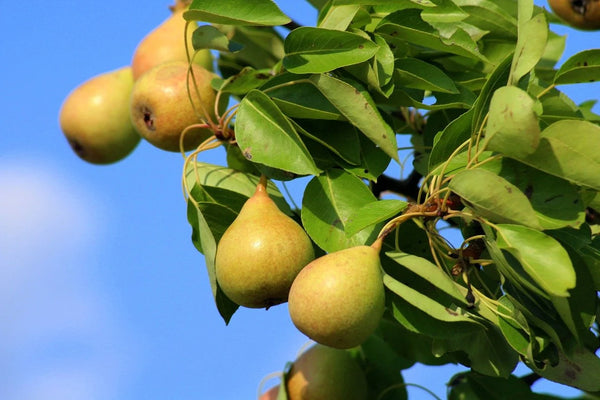 Cold Snap® Pear(Spring 2027)
From $34.99
-
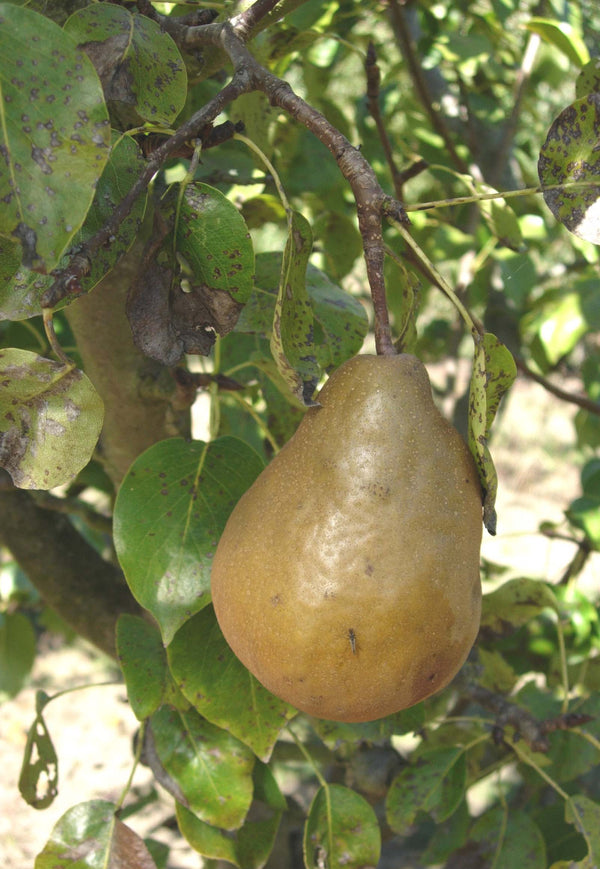 Golden Russet Bosc Pear(Spring 2027)
From $64.99
-
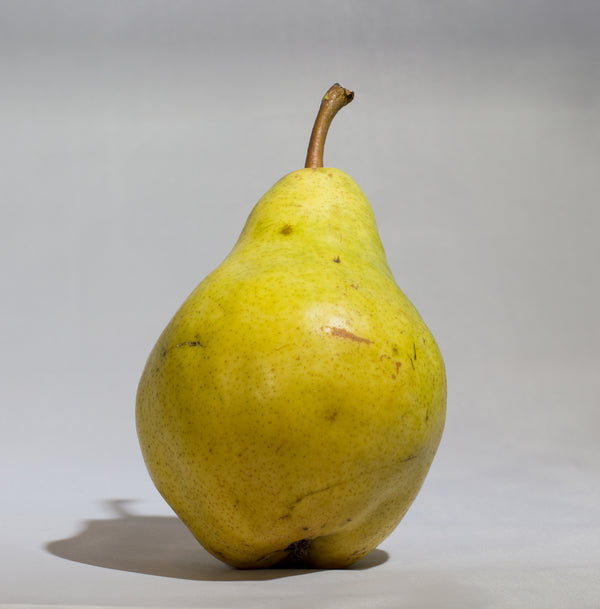 Bartlett Pear(Spring 2027)
From $64.99
-
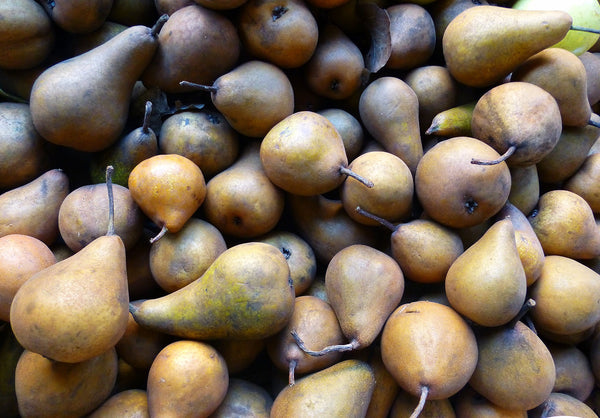 Honeysweet Pear(Spring 2027)
$49.99
-
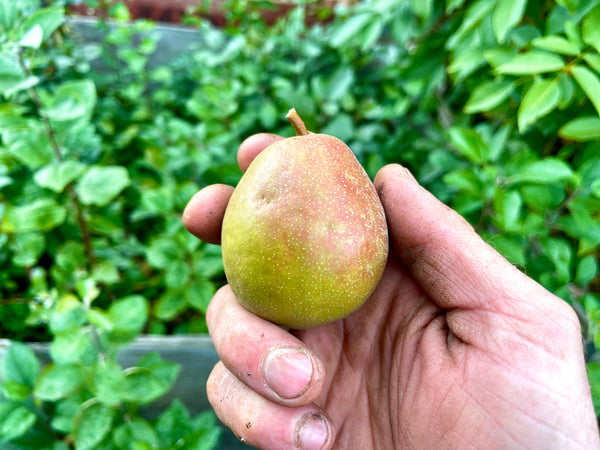 Seckel Pear(Spring 2027)
From $109.99
-
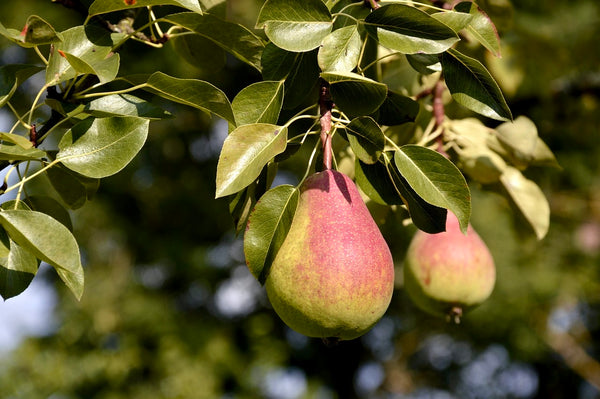 Ubileen Pear(Spring 2027)
From $34.99
-
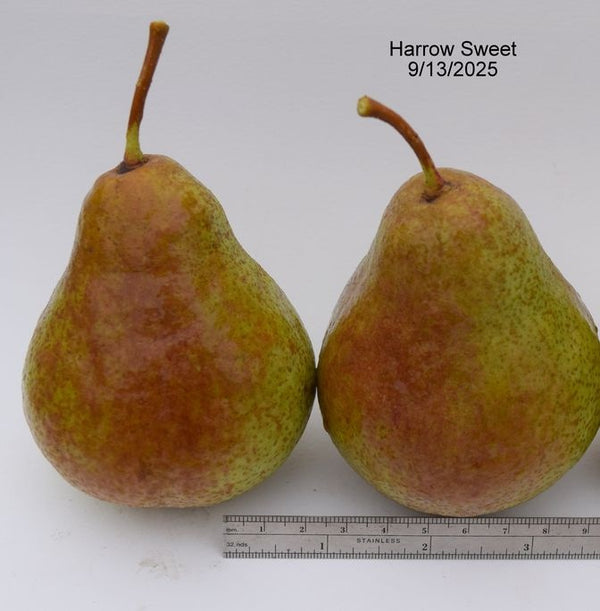 Harrow Sweet Pear(Spring 2027)
From $34.99
-
 Bulgaria Pear(Spring 2027)
$49.99
-
 Frost Pear(Spring 2027)
From $34.99