Skip to product information


Norda Apple (Spring 2027)
$54.99
Reliable shipping
Flexible returns
Pollination
Needs a partner
Bloom group
2 of 7 (Early)
Ripening
Will it finish before your first hard freeze?
Check it on the Ripening Map (opens in a new tab)
Disease resistanceNo strong resistance
- ? Apple scab : Unknown, no published data yet
- ? Cedar-apple rust : Unknown, no published data yet
- 3 Fire blight : Moderate, 3 of 5
- ? Powdery mildew : Unknown, no published data yet
Scored 1 to 5. Higher resists better, and ? means no published data yet.
See it on our apple disease chart (opens in a new tab)At a glance: Norda Apple is an apple tree rated hardy to zone 2 in our ratings (winters to -50°F), and not self-fertile, so it needs a different variety nearby as a pollenizer (bloom group 2 of 7, early for an apple or crabapple).
| Hardy to | Zone 2 to 7. A bare number means the whole of zone 2, colder half included (winters to -50°F). Our notes have it taking -47°F. Find your zone with our cold hardiness calculator. |
|---|---|
| Chill hours | About 1,000 hours (850 to 1,150). Our estimate. No published figure exists for this variety yet. Montana winters give it plenty. In milder climates, make sure your winters average at least this much. Check your chill hours or see our sources. |
| Pollination | Needs Cross-Pollination. Bloom group 2 of 7 (early), late spring here. Plant a different apple or crabapple variety that blooms in groups 1 to 3, such as Norkent, Norland or Dearborn's Unknown. It has good pollen, so it can also pollenize other apples blooming at the same time. Good partners we carry: Chestnut Applecrab, Lodi Apple, Norland Apple, Dolgo Crabapple (Bundle of 2) and 42 more. Apple Pollination Map. |
| Rootstock and size | Dolgo: full size, about 20 to 30 ft tall unpruned. Very hardy and well anchored. Bud 118: semi-dwarf in our dry Montana soils, semi-standard on paper, about 12 to 18 ft tall unpruned. Stands on its own, few suckers. Our rootstock guide. |
| Good for | Fresh eating (7/10), cooking and roasting (6/10), winter storage (6/10), pies and baking (6/10). Scores are our own 1 to 10 ratings; 8 and up makes our Best Of lists. |
| Deer | A deer favorite. Fence it or cage it. |
| Where it came from | Read about the Canadian prairie breeding stations and what else came out of it. |
| What you get | Bare root, 3-4 ft or 4-6 ft or 6-7 ft. Shipped or picked up in Missoula in spring, roots wrapped in moist sawdust. Guaranteed to bud out. |
Overview
Norda is a Canadian-bred cold-climate apple introduced in 1976 and developed for far-northern regions. It’s valued for reliable production under harsh conditions, early ripening, and respectable fresh-eating quality with moderate storage for a summer apple.
Origin & History
Norda was developed in Canada as part of northern apple breeding, selected at the Morden Research Station in Manitoba and introduced in 1976 through Agriculture Canada’s Beaverlodge Research Station near Grande Prairie, Alberta. It belongs to the group of apples bred for cold climates and northern plantings, where reliable fruiting and winter survival are priorities. The accepted parentage for Norda is Rosilda × Trail, reflecting its heritage from these two hardy apple cultivars.
Fruit Quality & Uses
Norda is a small-to-medium apple with a red blush or striping, crisp flesh, and good flavor for a very hardy apple, with a reputation for being a good keeper among cold-climate summer apple varieties. It’s typically positioned as a dual-purpose apple (fresh plus kitchen), especially in northern contexts where flavor is often traded for survival.
Growth Habit & Spacing
Norda is vigorous to moderately vigorous with an upright-spreading habit, and relatively precocious. Spacing depends on rootstock, but a practical baseline is 12–15 ft on semi-dwarf systems and 18–20+ ft on more vigorous or standard systems.
Pollination
Norda needs another apple variety that blooms at the same time. Any compatible apple cultivar that overlaps bloom can serve as a pollenizer, including some other apples varieties we offer, and varieties of applecrabs/crabapple. Some examples include Norkent, Norson, Norland, Dearborn's Unknown, Zestar!, Lodi, Prairie Sensation, September Ruby as well as some applecrabs including Chestnut, Kerr, Trailman, and others.
Cold Hardiness
In Alaska-oriented sources, such as this one here, it is described as moderately hardy relative to the very hardiest apples for Alaska, and they not that it may not be hardy enough for interior Alaska.
Norda has survived −47°F in multiple winters in Gallatin Gateway, Montana for Ed Schultz with no winter injury. That said, this was in the wee of of a morning. Can it withstand these cold temps for extended periods of time? This may be where there have been some reports on Norda not doing as well in some parts of interior Alaska. Site selection therefore for Norda must be considered (avoid depressions or areas prone to frost pooling). Plant in a spot uphill or where there is good frost drainage.
We would list Norda as a zone 2 apple, good for about everywhere in Montana, even some of the coldest places east of the divide. But again, if we're talking hardy for some of the coldest places in interior Alaska, look to some others such as Norland, Norkent, Norson, (of the Nor-series we are offering for 2027), Dearborn's Unknown, Rescue, Trailman, Chestnut, and Dolgo.
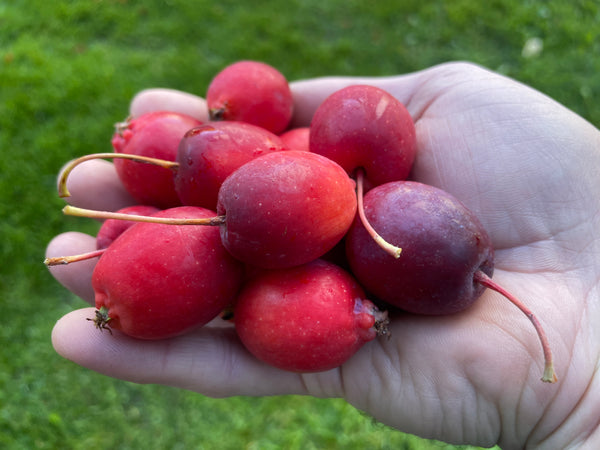
Whole-and-cut photo: Resolution enhanced from a public domain image. The crabapple is unchanged, but some of the surrounding text and numbers may vary.
About the photo: this isn’t Norda itself. Photos of Norda are either under copyright or simply unavailable, so we picked the open-source image that looks closest to the fruit. Photo by From Marwool, via Unsplash, under the Unsplash License.
Questions we get about Norda Apple
Does Norda Apple need a pollenizer?
Yes. Norda Apple needs pollen from a different variety that blooms at about the same time. Plant a different apple or crabapple variety that blooms in groups 1 to 3, such as Norkent, Norland or Dearborn's Unknown. It has good pollen, so it can also pollenize other apples blooming at the same time. Partners we carry include Chestnut Applecrab, Lodi Apple, Norland Apple.
How cold hardy is Norda Apple?
We rate Norda Apple hardy to zone 2, which means winters down to about -50°F. Our notes have it taking -47°F. Our ratings come from real winters at our two Montana sites and from trusted growers across the North, not from a catalog average.
How many chill hours does Norda Apple need?
About 1,000 hours of winter chill (we count hours at or below 45°F), likely somewhere between 850 and 1,150. Nobody has published a chill figure for it, so that's our estimate from its relatives and origin. Our chill hours guide has a calculator for your winters, and our research page lists the sources.
How big does Norda Apple get?
We graft Norda Apple onto Dolgo (full size), which makes a tree roughly 20 to 30 ft tall if you never prune it. Some sizes are on Bud 118.
What is Norda Apple good for?
Our top use scores for Norda Apple are fresh eating (7/10), cooking and roasting (6/10), winter storage (6/10), pies and baking (6/10).
Is Norda Apple disease resistant?
Somewhat. It holds up moderately well against fire blight. Nobody has published solid data on it for apple scab, cedar-apple rust and powdery mildew yet, so we list those as unknown. Our apple disease resistance chart has every rating, the notes and the sources.
Will deer eat Norda Apple?
Yes, deer love it. Protect Norda Apple with a fence or a cage, especially while it is young.
What arrives, and when does Norda Apple ship?
A dormant bare-root plant, roots wrapped in moist sawdust with a vapor barrier, shipped or picked up in Missoula in spring. Sizes offered: 3-4 ft or 4-6 ft or 6-7 ft. We guarantee our plants bud out. Stone fruits can be slow, so if one still has not budded out by August 15, write to us and we credit you for the following spring.
More Plants Like This
By Zone
Best For
Pollination, Bloom & Ripening
Pollination partners
Trees that will pollenize Norda Apple
Norda Apple needs a different apple or crabapple nearby to set fruit. Every tree below blooms at the same time and has pollen that works for it. Plant partners within about 100 feet.
Bloom group
2 of 7 (Early)
Pollination
Needs a partner
Pollen
Good pollenizer
-
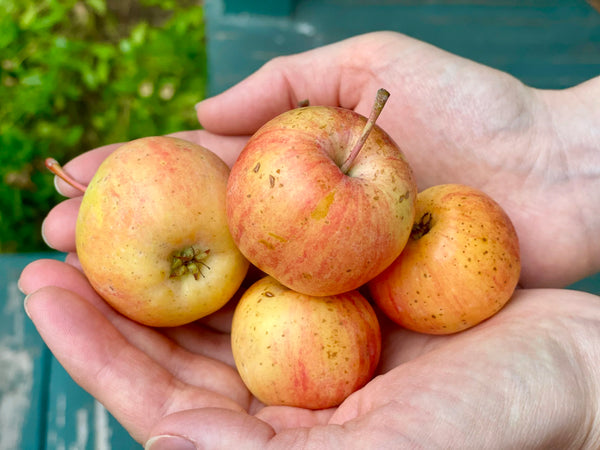 Chestnut Applecrab(Spring 2027)
From $59.99
-
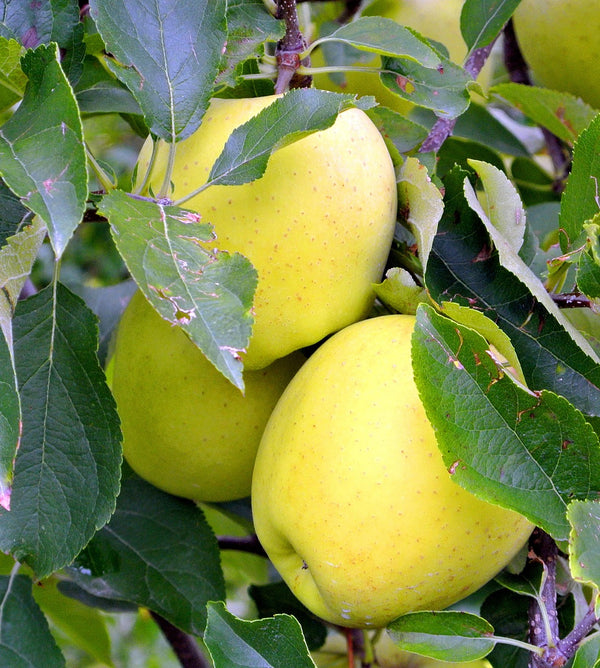 Lodi Apple(Spring 2027)
From $54.99
-
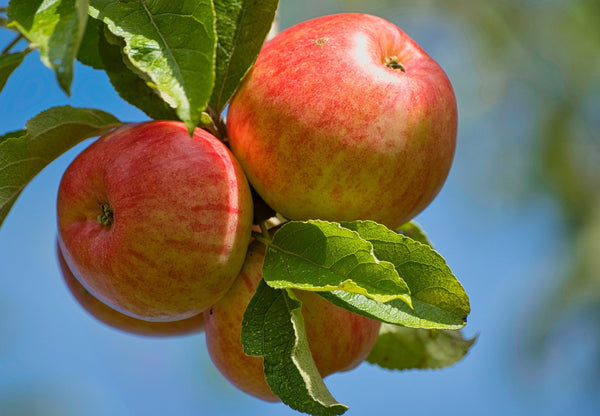 Norland Apple(Spring 2027)
From $49.99
-
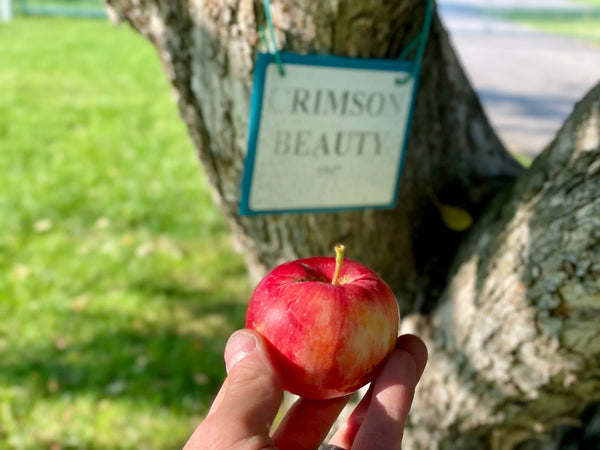 Crimson Beauty Apple(Spring 2027)
From $59.99
-
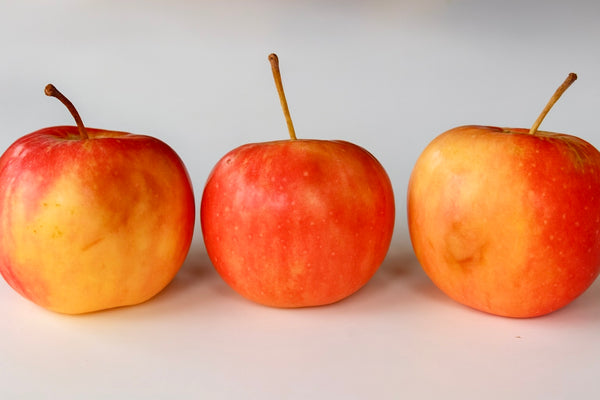 Martha Applecrab(Spring 2027)
From $44.99
-
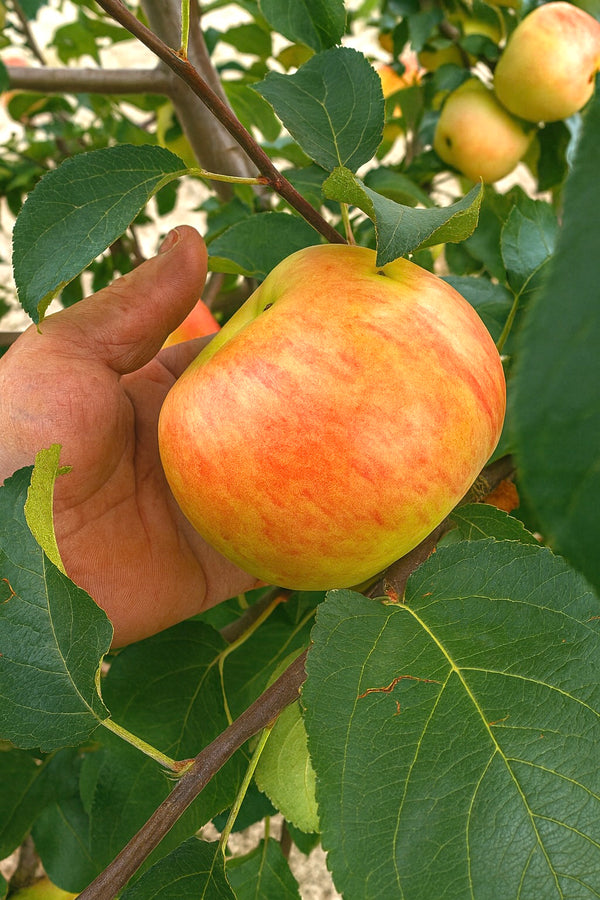 Prairie Sensation Apple(Spring 2027)
From $54.99
-
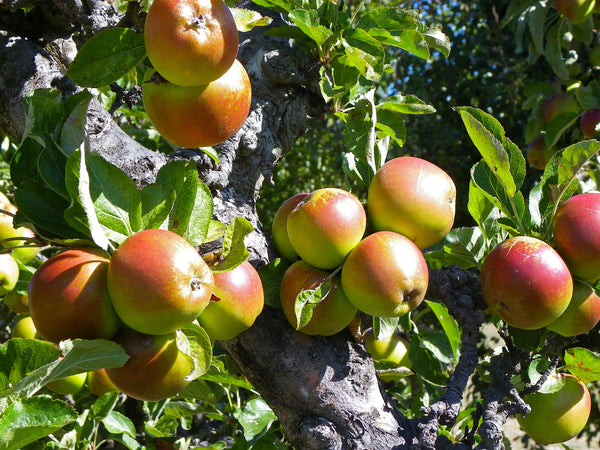 Red Baron Apple(Spring 2027)
$74.99
-
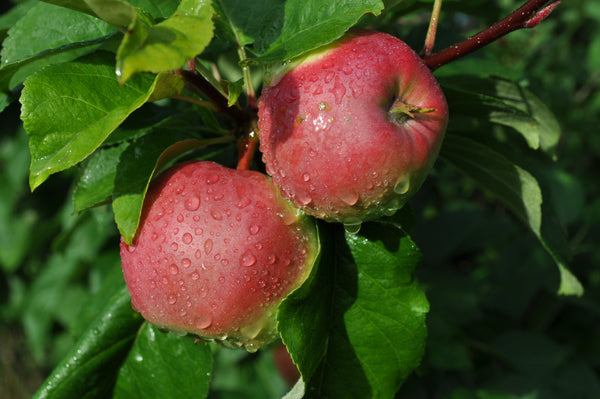 September Ruby Apple(Spring 2027)
From $49.99
-
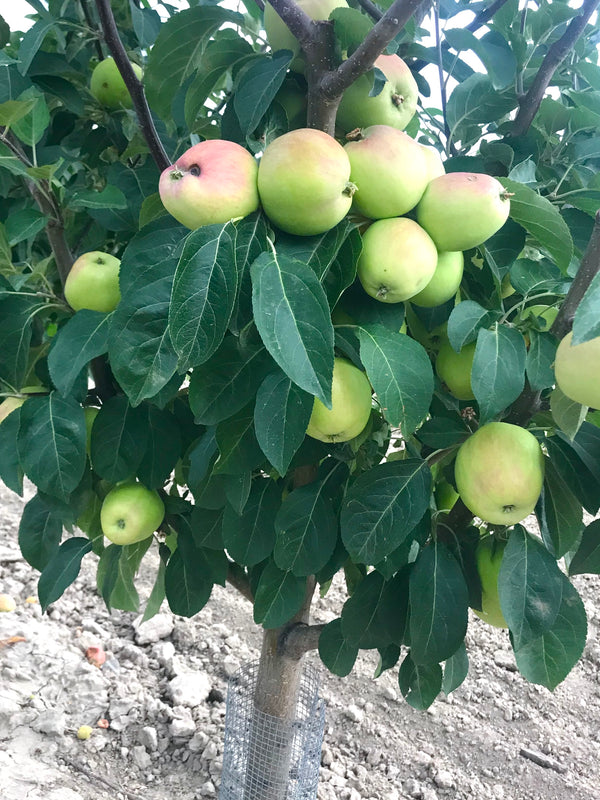 Dearborn's Unknown Apple(Spring 2027)
From $59.99
-
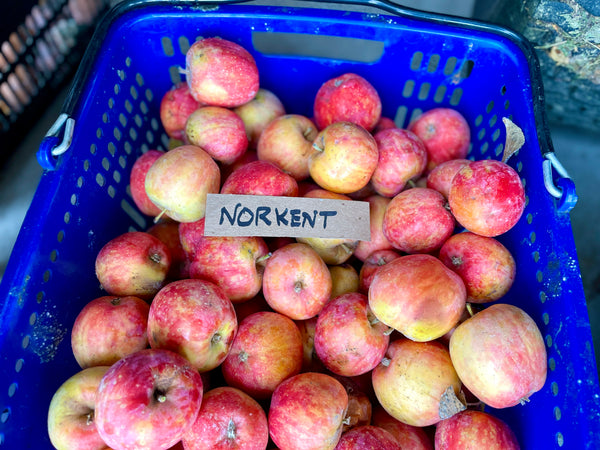 Norkent Apple(Spring 2027)
From $54.99
-
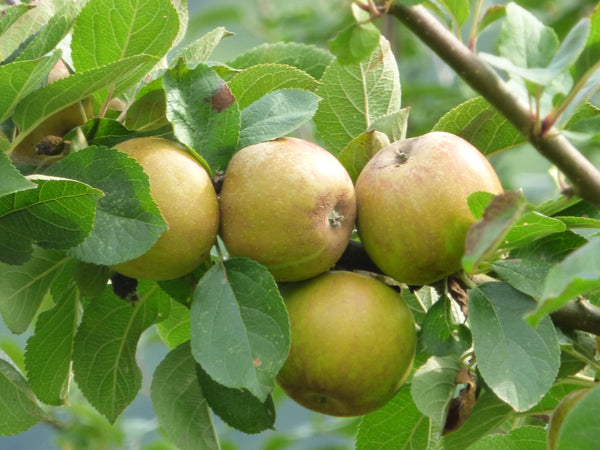 St. Edmund's Pippin Apple(Spring 2027)
From $44.99