Skip to product information


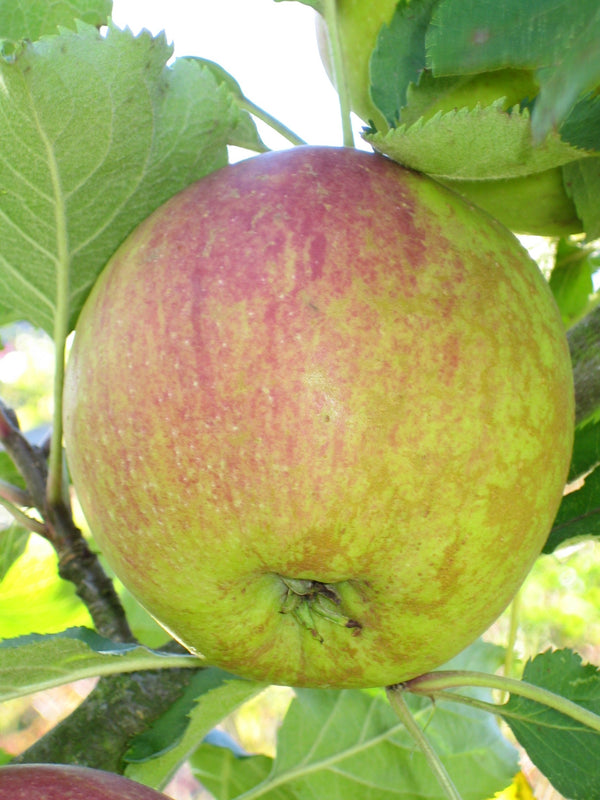
Alexander Apple (Spring 2027)
$49.99
Reliable shipping
Flexible returns
Pollination
Needs a partner
Bloom group
4 of 7 (Mid)
Ripening
Will it finish before your first hard freeze?
Check it on the Ripening Map (opens in a new tab)
Disease resistanceResists 2 of 4
- 4 Apple scab : Resistant, 4 of 5
- ? Cedar-apple rust : Unknown, no published data yet
- 1 Fire blight : Highly susceptible, 1 of 5
- 4 Powdery mildew : Resistant, 4 of 5
Scored 1 to 5. Higher resists better, and ? means no published data yet.
See it on our apple disease chart (opens in a new tab)At a glance: Alexander Apple is an apple tree rated hardy to zone 3 in our ratings (winters to -40°F), not self-fertile, so it needs a different variety nearby as a pollenizer (bloom group 4 of 7, mid for an apple or crabapple), and it ripens about Sep 7 to Sep 27 in Missoula (our Missoula estimate).
| Hardy to | Zone 3 to 7. A bare number means the whole of zone 3, colder half included (winters to -40°F). Find your zone with our cold hardiness calculator. |
|---|---|
| Chill hours | About 1,000 hours (800 to 1,200). Our estimate. No published figure exists for this variety yet. Montana winters give it plenty. In milder climates, make sure your winters average at least this much. Check your chill hours or see our sources. |
| Pollination | Needs Cross-Pollination. Bloom group 4 of 7 (mid), late spring here. Plant a different apple or crabapple variety that blooms in groups 3 to 5. It has good pollen, so it can also pollenize other apples blooming at the same time. Good partners we carry: Otterson Crabapple, Trail Crabapple, Burgundy Apple, Cortland Apple and 103 more. Apple Pollination Map. |
| Ripens | About Sep 7 to Sep 27 in Missoula (a Missoula estimate from published sources). Real years swing about a week either way. See the date for your town. |
| Rootstock and size | Bud 118: semi-dwarf in our dry Montana soils, semi-standard on paper, about 12 to 18 ft tall unpruned. Stands on its own, few suckers. Spy 227: full size. A Northern Spy selection. Our rootstock guide. |
| Good for | Sauce and butter (7/10), cooking and roasting (6/10), canning and freezing (6/10), jams and jellies (6/10). Scores are our own 1 to 10 ratings; 8 and up makes our Best Of lists. |
| Deer | A deer favorite. Fence it or cage it. |
| What you get | Bare root, 3-5 ft. Shipped or picked up in Missoula in spring, roots wrapped in moist sawdust. Guaranteed to bud out. |
The Origins of ‘Alexander’
‘Alexander’ likely originated in Ukraine sometime during the 1700s, where it was thought to have been known as Aporta. The name Alexander was later attributed to the apple in honor of Russia's Emperor Alexander I.
Arrival in America
In the early 1800s, as pioneers migrated to the colder, harsher regions of the western United States, many European cultivars and their American seedlings struggled to survive the extreme winters of Wisconsin, Minnesota, and northern New England.
Recognizing the need for more cold-hardy varieties, the Massachusetts Horticultural Society partnered with the London Horticultural Society to import four Russian cultivars:
- 'Tetovsky'
- 'Red Astrachan'
- 'Duchess of Oldenburg'
- 'Alexander'
These varieties have since spread across Montana. While 'Alexander' is found in lower numbers than 'Duchess', it can still be spotted from the Bitterroot and Flathead areas to valleys throughout Eastern Montana.
In 1906, the Montana State Board of Horticulture declared that ‘Alexander’ was a cultivar “successful in nearly every part of Montana.”
Flavor and Usage
‘Alexander’ is a large dessert apple and tastes great fresh off the tree. However, it does not store well and tends to become mealy quickly, making it better suited for sauce.
The apples produce a rich, lemony-flavored applesauce that’s both intense and pleasantly tangy. Though not widely known for it, ‘Alexander’ also has the potential to make a great cider—something we have yet to try ourselves.
Hardiness
We rate ‘Alexander’ hardy to -40°F. Some reports have it surviving down to -50°F, but we're conservatively listing it at -40°F until we get more winter survival data from really cold areas.
Questions we get about Alexander Apple
Does Alexander Apple need a pollenizer?
Yes. Alexander Apple needs pollen from a different variety that blooms at about the same time. Plant a different apple or crabapple variety that blooms in groups 3 to 5. It has good pollen, so it can also pollenize other apples blooming at the same time. Partners we carry include Otterson Crabapple, Trail Crabapple, Burgundy Apple.
How cold hardy is Alexander Apple?
We rate Alexander Apple hardy to zone 3, which means winters down to about -40°F. Our ratings come from real winters at our two Montana sites and from trusted growers across the North, not from a catalog average.
How many chill hours does Alexander Apple need?
About 1,000 hours of winter chill (we count hours at or below 45°F), likely somewhere between 800 and 1,200. Nobody has published a chill figure for it, so that's our estimate from its relatives and origin. Our chill hours guide has a calculator for your winters, and our research page lists the sources.
When does Alexander Apple ripen?
About Sep 7 to Sep 27 in Missoula, Montana (an estimate built from published sources and our climate). Warmer places run earlier and cooler places later; our ripening map converts the date to your town.
How big does Alexander Apple get?
We graft Alexander Apple onto Bud 118 (semi-dwarf in our dry Montana soils, semi-standard on paper), which makes a tree roughly 12 to 18 ft tall if you never prune it. Some sizes are on Spy 227.
What is Alexander Apple good for?
Our top use scores for Alexander Apple are sauce and butter (7/10), cooking and roasting (6/10), canning and freezing (6/10), jams and jellies (6/10).
Is Alexander Apple disease resistant?
For some diseases, yes. It's resistant to apple scab and powdery mildew. It's very prone to fire blight. Nobody has published solid data on it for cedar-apple rust yet, so we list that as unknown. Our apple disease resistance chart has every rating, the notes and the sources.
Will deer eat Alexander Apple?
Yes, deer love it. Protect Alexander Apple with a fence or a cage, especially while it is young.
More Plants Like This
By Zone
Pollination, Bloom & Ripening
Disease Resistance
Pollination partners
Trees that will pollenize Alexander Apple
Alexander Apple needs a different apple or crabapple nearby to set fruit. Every tree below blooms at the same time and has pollen that works for it. Plant partners within about 100 feet.
Bloom group
4 of 7 (Mid)
Pollination
Needs a partner
Pollen
Good pollenizer
-
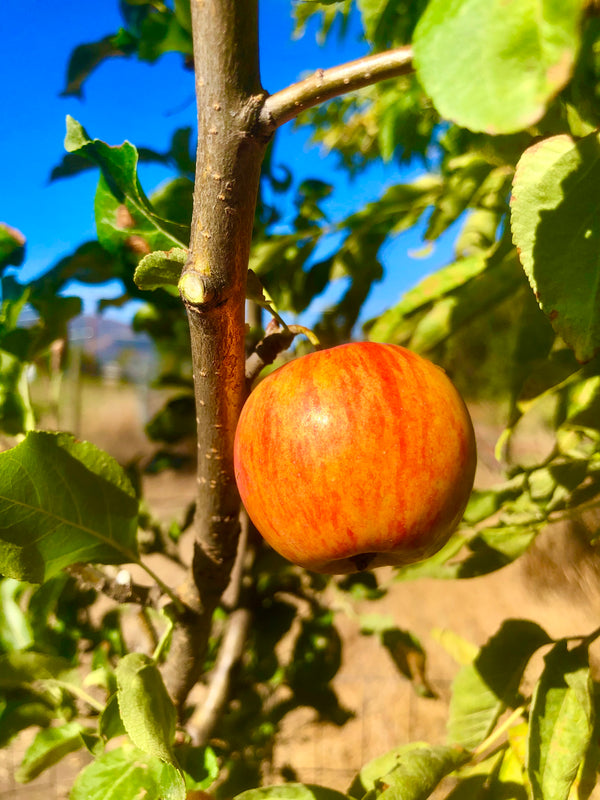 Trail Crabapple(Spring 2027)
$49.99
-
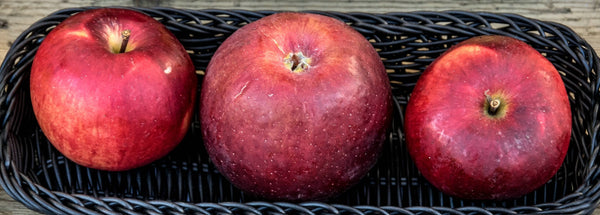 Burgundy Apple(Spring 2027)
From $49.99
-
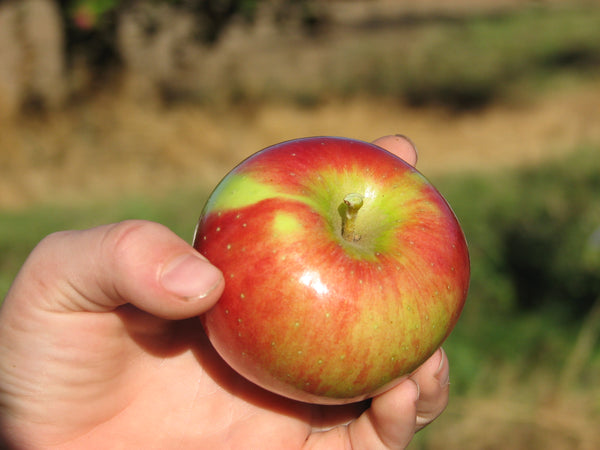 Cortland Apple(Spring 2027)
From $44.99
-
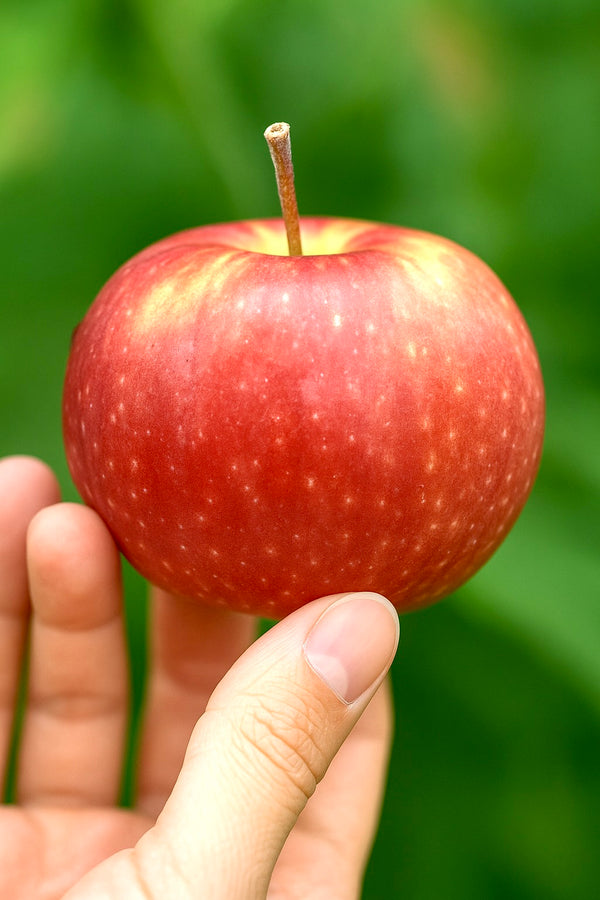 Frostbite Apple(Spring 2027)
From $59.99
-
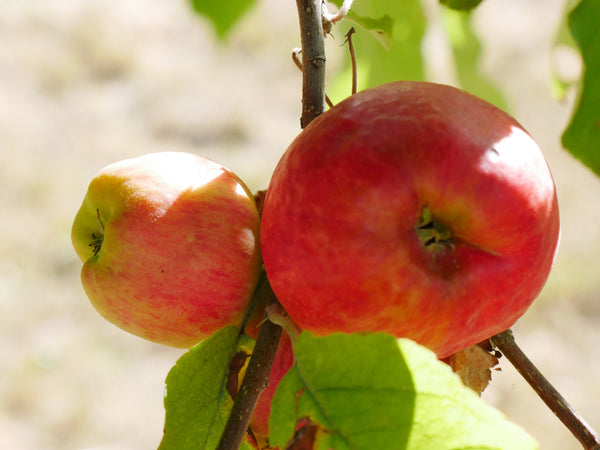 Goodland Apple(Spring 2027)
From $44.99
-
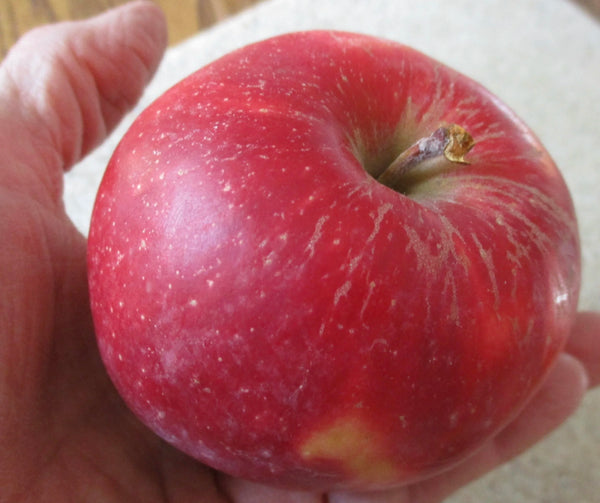 Haralson Apple(Spring 2027)
From $54.99
-
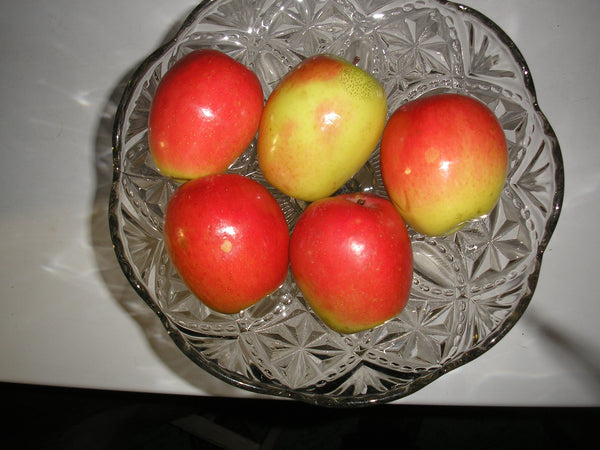 Kandil Sinap Apple(Spring 2027)
From $44.99
-
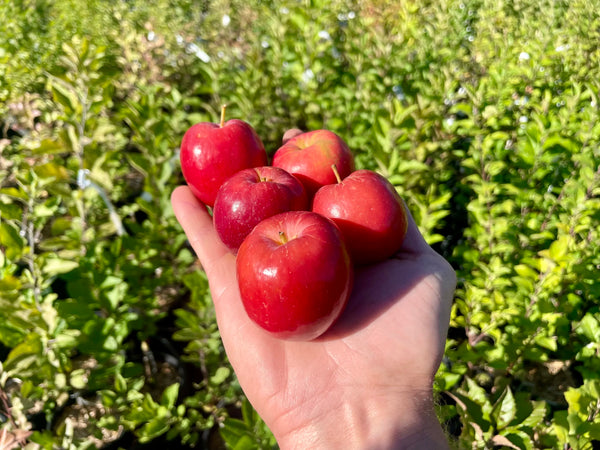 Kerr Applecrab(Spring 2027)
From $54.99
-
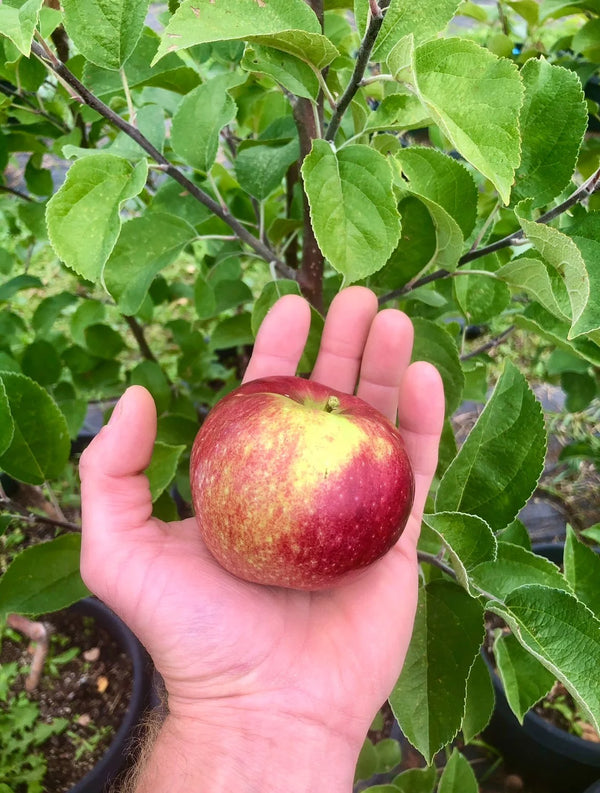 Macoun Apple(Spring 2027)
$59.99