Skip to product information


Laxton's Favorite Apple (Spring 2027)
$89.99
Reliable shipping
Flexible returns
Pollination
Needs a partner
Bloom group
4 of 7 (Mid)
Ripening
Will it finish before your first hard freeze?
Check it on the Ripening Map (opens in a new tab)
Disease resistanceNot tested yet
- ? Apple scab : Unknown, no published data yet
- ? Cedar-apple rust : Unknown, no published data yet
- ? Fire blight : Unknown, no published data yet
- ? Powdery mildew : Unknown, no published data yet
Scored 1 to 5. Higher resists better, and ? means no published data yet.
See it on our apple disease chart (opens in a new tab)At a glance: Laxton's Favorite Apple is an apple tree we've estimated at zone 4 (winters to -30°F), and not self-fertile, so it needs a different variety nearby as a pollenizer (bloom group 4 of 7, mid for an apple or crabapple).
| Hardy to | Zone 4 to 8. A bare number means the whole of zone 4, colder half included (winters to -30°F). Find your zone with our cold hardiness calculator. |
|---|---|
| Chill hours | About 900 hours (700 to 1,200). Our estimate. No published figure exists for this variety yet. Montana winters give it plenty. In milder climates, make sure your winters average at least this much. Check your chill hours or see our sources. |
| Pollination | Needs Cross-Pollination. Bloom group 4 of 7 (mid), late spring here. Plant a different apple or crabapple variety that blooms in groups 3 to 5, such as Honeycrisp, Zestar! or Liberty. Its pollen quality isn't confirmed yet, so don't count on it as the only pollenizer for another tree. Good partners we carry: Zestar!® Apple, Honeycrisp Apple, Liberty Apple, Otterson Crabapple and 103 more. Apple Pollination Map. |
| Rootstock and size | Bud 118: semi-dwarf in our dry Montana soils, semi-standard on paper, about 12 to 18 ft tall unpruned. Stands on its own, few suckers. Plant about 15 ft apart. Our rootstock guide. |
| Good for | Fresh eating (7/10). Scores are our 1 to 10 ratings, but we're still new to this one, so they lean on published descriptions and other growers rather than our own harvests. 8 and up makes our Best Of lists. |
| Deer | A deer favorite. Fence it or cage it. |
| What you get | Bare root, 3-4 ft or 5-7 ft. Shipped or picked up in Missoula in spring, roots wrapped in moist sawdust. Guaranteed to bud out. |
This is the first year we’ve grown Laxton’s Favorite. We got scionwood from Tim Makepeace in spring 2025 and grafted it because we wanted a proven, Cox-style dessert apple with real historical pedigree and excellent fresh-eating quality, while also testing how far a classic English apple can be pushed in Montana’s colder, drier climate. Because we have not yet tasted the fruit or observed its long-term behavior under Montana conditions, the information below is secondhand and drawn from reputable references.
Overview
Laxton’s Favorite is an English dessert apple raised by Laxton Bros. in Bedford in 1925 and introduced in 1951. Its documented parentage is Cox’s Orange Pippin × Laxton’s Exquisite (sometimes listed simply as Cox’s Orange Pippin × Exquisite).
Fruit Quality & Uses
Laxton’s Favorite is a sweet, crisp, juicy dessert apple. Multiple references describe the flesh as coarse-grained but pleasantly crisp and sweet, and it’s typically treated as a fresh-eating apple first and foremost.
Growth Habit & Spacing
We're currently offering this on Bud 118 semi-standard rootstock so a practical spacing is about 15 feet apart, and up to 18 feet if you want more airflow and less pruning pressure over time.
Cold Hardiness
In an extensive search, we did not find a reliable, cultivar-specific reference that documents a precise “survived down to −X °F” mid-winter minimum for Laxton’s Favorite, the way some North American apples are sometimes documented in trial reports. Most authoritative cultivar records focus on origin, parentage, bloom group, and fruit qualities rather than a tested minimum temperature.
So, for Montana, we think the conservative approach is the right one: treat Laxton’s Favorite as a Zone 3b/4-ish “try it with some protection and good site choice” apple rather than assuming it’s an extreme-cold survivor. All of the English apples we have grown have survived -30°F without any issues. So that is likely the case with Laxton's Favorite, and it likely could survive -35°F or possibly even -40°F, if well-sited out of frost pooling areas/on a bench, although this is speculative. In other words: it may do well in much of western Montana (especially the Bitterroot, Missoula-area pockets, and warmer bench sites), but we would not treat it as a go-to for the colder, windier parts of eastern Montana without a favorable microclimate.
Pollination
Laxton’s Favorite is listed as flowering period/pollination group C in UK references (roughly mid-season bloom), so it should be pollenized by many mid-bloom apples.
From the apples currently listed on our site, good potential pollenizers to pair nearby (this list is not exhaustive) include mid-bloom, widely compatible types such as Honeycrisp, Zestar!, Liberty, McIntosh-types, and many crabapples/crab hybrids that overlap bloom.
Ripening Time
In UK references, Laxton’s Favorite is typically picked in late August and used September–October. In Montana, that likely translates to a mid-September ripening window in warmer sites, with timing sliding later in cooler valleys.
Other Notable Characteristics
Because Laxton’s Favorite is closely tied to the Cox line, it’s often grown specifically for that aromatic dessert-apple character, but, as with many Cox-family apples, performance can be quite site-dependent. For Montana, good airflow, thoughtful pruning, and a reasonably warm ripening window will matter a lot for fruit quality and disease pressure.
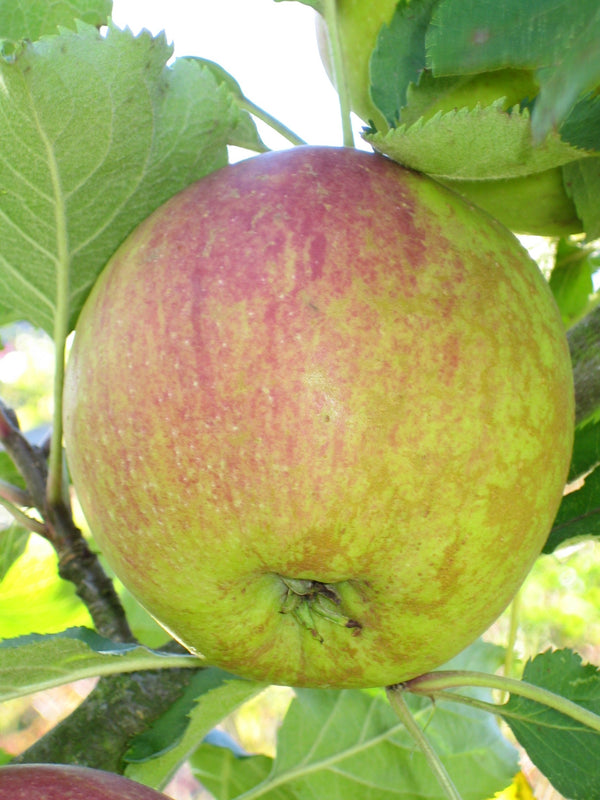
Image courtesy of East Of England Apples and Orchard Project
Questions we get about Laxton's Favorite Apple
Does Laxton's Favorite Apple need a pollenizer?
Yes. Laxton's Favorite Apple needs pollen from a different variety that blooms at about the same time. Plant a different apple or crabapple variety that blooms in groups 3 to 5, such as Honeycrisp, Zestar! or Liberty. Its pollen quality isn't confirmed yet, so don't count on it as the only pollenizer for another tree. Partners we carry include Zestar!® Apple, Honeycrisp Apple, Liberty Apple.
How cold hardy is Laxton's Favorite Apple?
We list Laxton's Favorite Apple at zone 4, which means winters down to about -30°F. We haven't found a documented survival temperature for it and haven't wintered it long enough ourselves, but every English apple we've grown has come through -30°F without issues, so that's our estimate. We'll update it once we have our own data.
How many chill hours does Laxton's Favorite Apple need?
About 900 hours of winter chill (we count hours at or below 45°F), likely somewhere between 700 and 1,200. Nobody has published a chill figure for it, so that's our estimate from its relatives and origin. Our chill hours guide has a calculator for your winters, and our research page lists the sources.
How big does Laxton's Favorite Apple get?
We graft Laxton's Favorite Apple onto Bud 118 (semi-dwarf in our dry Montana soils, semi-standard on paper), which makes a tree roughly 12 to 18 ft tall if you never prune it. Plant about 15 ft apart.
What is Laxton's Favorite Apple good for?
Our top use scores for Laxton's Favorite Apple are fresh eating (7/10). Since we haven't tasted our own fruit yet, that score leans on published descriptions.
Is Laxton's Favorite Apple disease resistant?
We don't know yet. Nobody has published solid disease data on Laxton's Favorite Apple for apple scab, cedar-apple rust, fire blight and powdery mildew, so we list it as unknown instead of guessing. That doesn't mean it's weak. Plenty of the plants we grow have never been through formal disease trials. Our apple disease resistance chart has every rating, the notes and the sources.
Will deer eat Laxton's Favorite Apple?
Yes, deer love it. Protect Laxton's Favorite Apple with a fence or a cage, especially while it is young.
What arrives, and when does Laxton's Favorite Apple ship?
A dormant bare-root plant, roots wrapped in moist sawdust with a vapor barrier, shipped or picked up in Missoula in spring. Sizes offered: 3-4 ft or 5-7 ft. We guarantee our plants bud out. Stone fruits can be slow, so if one still has not budded out by August 15, write to us and we credit you for the following spring.
More Plants Like This
By Zone
Pollination, Bloom & Ripening
Browse
Pollination partners
Trees that will pollenize Laxton's Favorite Apple
Laxton's Favorite Apple needs a different apple or crabapple nearby to set fruit. Every tree below blooms at the same time and has pollen that works for it. Plant partners within about 100 feet.
Bloom group
4 of 7 (Mid)
Pollination
Needs a partner
Pollen
Not tested yet
-
 Zestar!® Apple(Spring 2027)
From $59.99
-
 Honeycrisp Apple(Spring 2027)
From $59.99
-
 Liberty Apple(Spring 2027)
From $49.99
-
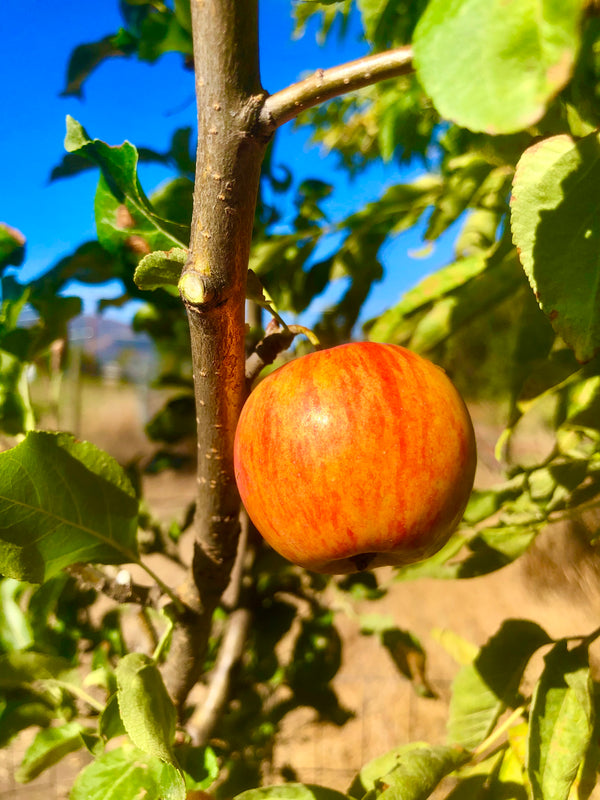 Trail Crabapple(Spring 2027)
$49.99
-
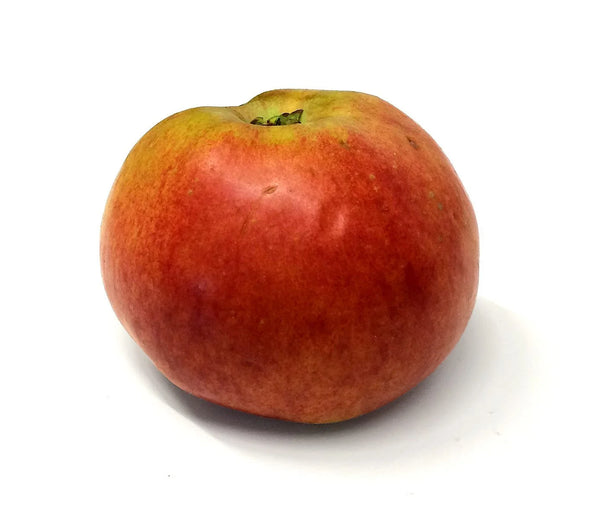 Alexander Apple(Spring 2027)
From $49.99
-
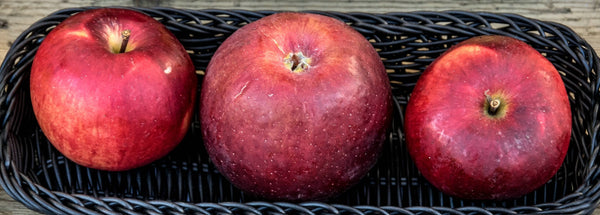 Burgundy Apple(Spring 2027)
From $49.99
-
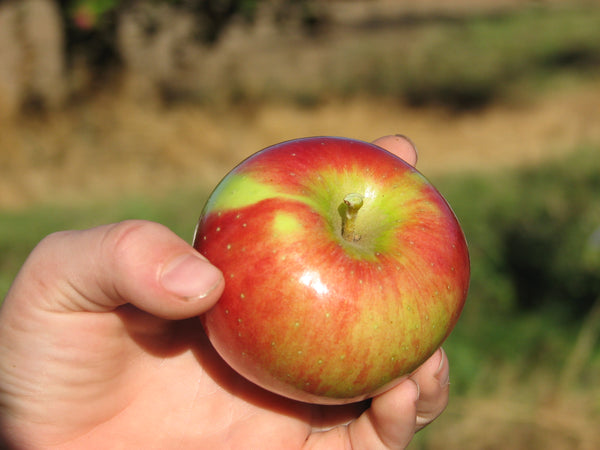 Cortland Apple(Spring 2027)
From $44.99
-
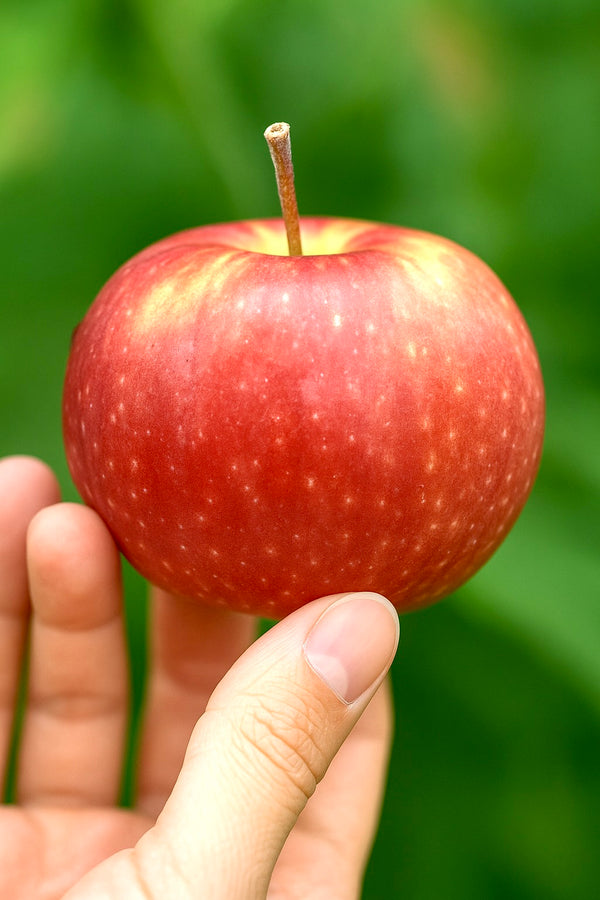 Frostbite Apple(Spring 2027)
From $59.99
-
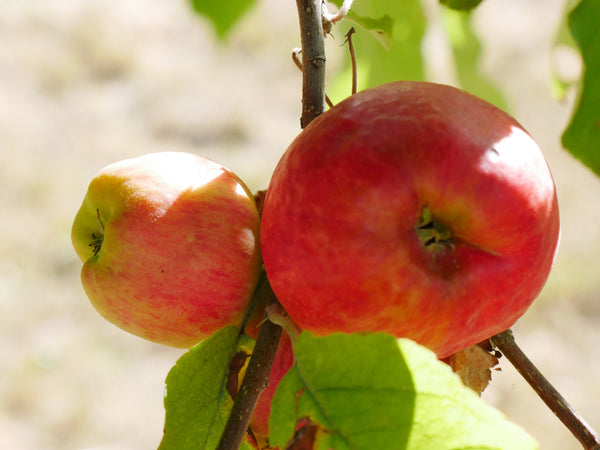 Goodland Apple(Spring 2027)
From $44.99
-
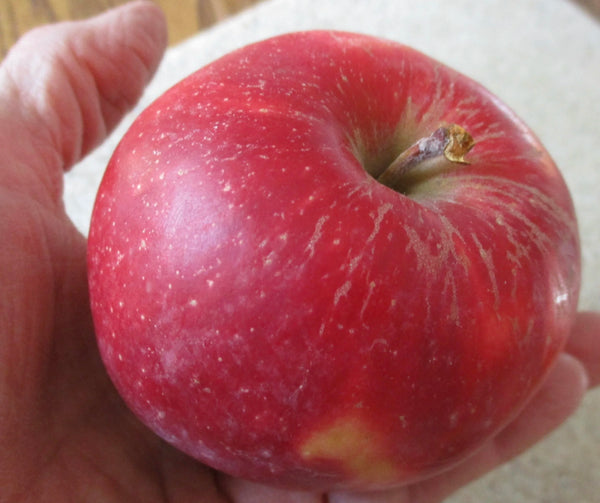 Haralson Apple(Spring 2027)
From $54.99