
Skip to product information
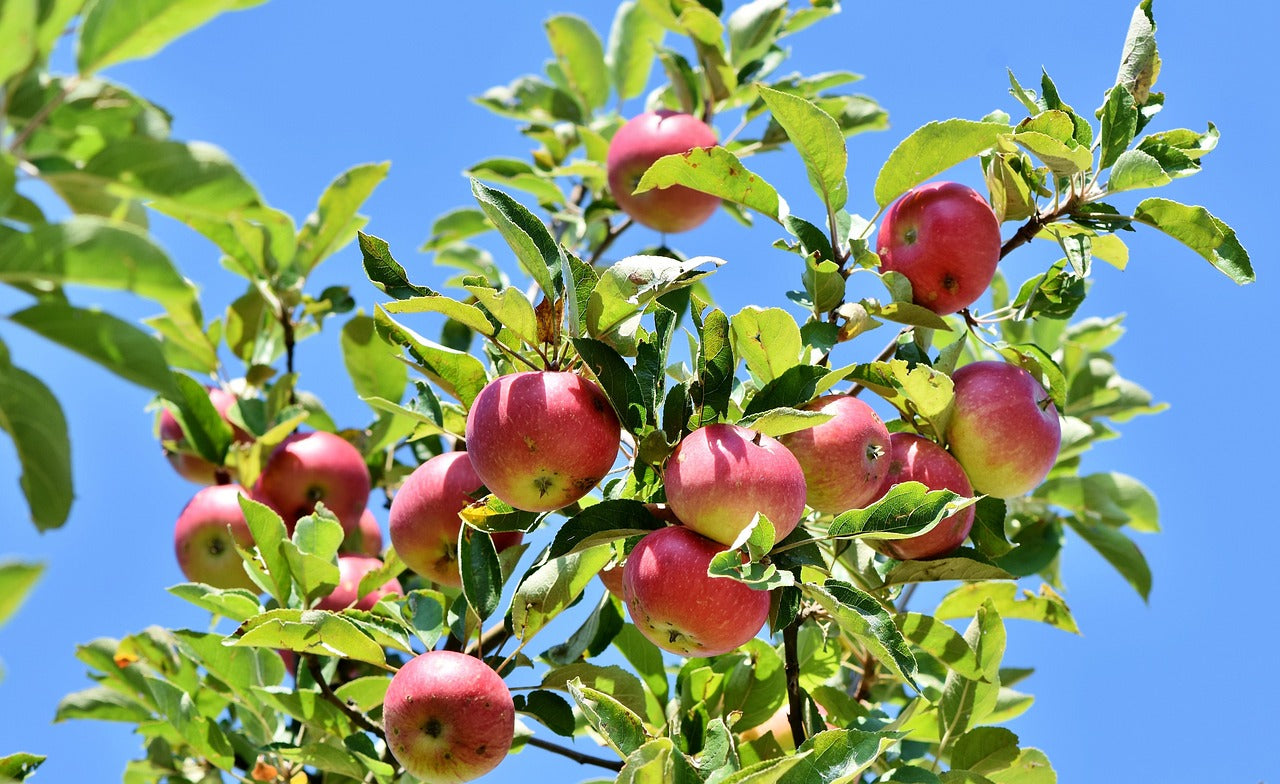
Northfield Beauty Apple
$44.99
Reliable shipping
Flexible returns
Overview
Northfield Beauty is a cold-hardy heirloom apple best known for its strong kitchen utility, heavy cropping, and reliable performance in fairly cold climates. It is often favored by growers who value bold, tart flavor and high productivity, with fruit that can also be eaten fresh by those who enjoy sharper apples.
History & Parentage
Northfield Beauty is an old American apple dating to the 19th century. Pomiferous notes puts its origins to Hermon in Penobscot County, Vermont (U.S.A.) with its parentage listed as possibly Siberian Crabapple crossed with Hubbardston.
Fruit Quality & Uses
Fruit is typically large, frequently irregular or asymmetrical in shape, and notably tart with a strong, assertive flavor. Northfield Beauty is widely regarded as an excellent cooking apple, particularly for sauce and baking, where its acidity and structure hold up well. When fully mature, it can also be eaten fresh by those who prefer high-acid apples. Ripening is generally described as late summer, commonly in the late August/early Sept window depending on climate.
Growth Habit & Spacing
Trees are moderately vigorous with an upright to spreading growth habit and are often described as heavy and consistent croppers. Standard apple spacing based on rootstock applies, with wider spacing helpful for airflow and disease management in vigorous plantings.
Pollination
Northfield Beauty requires cross-pollination. Any compatible apple or crabapple with overlapping bloom will work. In mixed plantings, pairing it with another mid-bloom apple along with a crabapple is a reliable strategy.
Cold Hardiness
Northfield Beauty is easily a solid zone 3 apple, having survived near -35F on Rod McIver's farm in Kalispell, MT without any winter injury. If Siberian crab is indeed one of its parents, then it could even be hardier. As with most apples, actual survival at the lower end of this range depends on acclimation, site selection, and overall tree health. Possible zone 2
Other Notes
Apparently resistant to scab.