Skip to product information


Pink Pearl Apple (Spring 2027)
$74.99
Reliable shipping
Flexible returns
Pollination
Needs a partner
Bloom group
4 of 7 (Mid)
Ripening
Will it finish before your first hard freeze?
Check it on the Ripening Map (opens in a new tab)
Disease resistanceNo strong resistance
- 2 Apple scab : Susceptible, 2 of 5
- ? Cedar-apple rust : Unknown, no published data yet
- 2 Fire blight : Susceptible, 2 of 5
- ? Powdery mildew : Unknown, no published data yet
Scored 1 to 5. Higher resists better, and ? means no published data yet.
See it on our apple disease chart (opens in a new tab)At a glance: Pink Pearl Apple is an apple tree rated hardy to zone 3b in our ratings (winters to -35°F), and not self-fertile, so it needs a different variety nearby as a pollenizer (bloom group 4 of 7, mid for an apple or crabapple).
| Hardy to | Zone 3b to 9. The b means the warmer half of zone 3 only (winters to -35°F). Find your zone with our cold hardiness calculator. |
|---|---|
| Chill hours | About 600 hours (600 to 900). Well documented. Independent sources agree. Montana winters give it plenty. In milder climates, make sure your winters average at least this much. Check your chill hours or see our sources. |
| Pollination | Needs Cross-Pollination. Bloom group 4 of 7 (mid), late spring here. Plant a different apple or crabapple variety that blooms in groups 3 to 5. It has good pollen, so it can also pollenize other apples blooming at the same time. Good partners we carry: Otterson Crabapple, Trail Crabapple, Alexander Apple, Burgundy Apple and 103 more. Apple Pollination Map. |
| Rootstock and size | Bud 118: semi-dwarf in our dry Montana soils, semi-standard on paper, about 12 to 18 ft tall unpruned. Stands on its own, few suckers. Our rootstock guide. |
| Good for | Pies and baking (7/10), sauce and butter (7/10), fresh eating (6/10), salads and slicing (6/10), juice and sweet cider (6/10), hard cider (6/10). Scores are our own 1 to 10 ratings; 8 and up makes our Best Of lists. |
| Deer | A deer favorite. Fence it or cage it. |
| What you get | Bare root, 4-6 ft. Shipped or picked up in Missoula in spring, roots wrapped in moist sawdust. Guaranteed to bud out. |
Overview
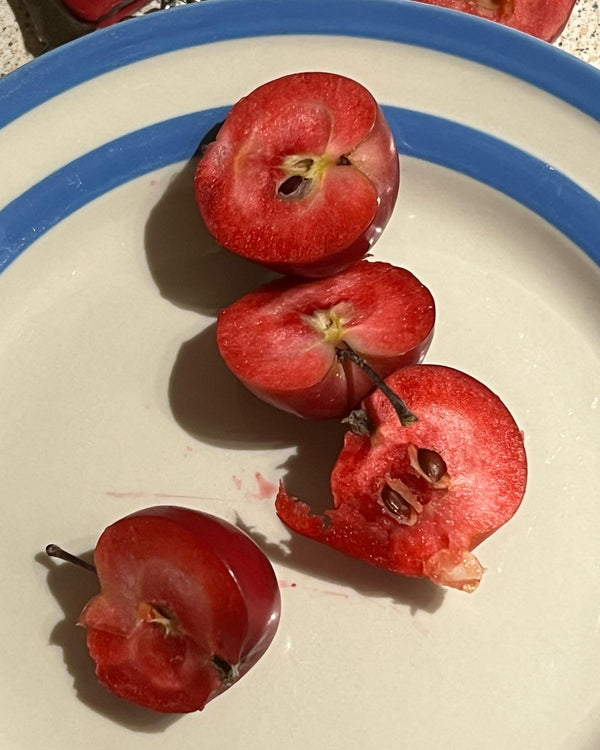
Pink Pearl is a distinctive heirloom apple best known for its vivid pink to rose-colored flesh and bright, high-acid flavor. It stands out both visually and culinarily, offering an apple that is as striking when cut as it is refreshing to eat. Pink Pearl is especially valued by growers and cooks looking for something unusual that still performs reliably in the orchard.
History & Parentage
Pink Pearl was developed in the early 1940s by California fruit breeder Albert Etter, one of the most influential independent apple breeders in American history. It is sometimes referred to as Etter Surprise. Pink Pearl traces part of its lineage to red-fleshed Malus genetics, which is responsible for its characteristic interior color. Unlike many novelty apples, it has remained in cultivation due to its genuine eating quality rather than appearance alone.
Fruit Quality & Uses
The fruit is medium-sized with green to yellow skin that may show a light blush. Inside, the flesh ranges from light pink to deep rose, depending on maturity and growing conditions. Flavor is bright, tart, and refreshing, often compared to a well-balanced citrus acidity rather than sharp sourness.
Pink Pearl excels in:
-
Fresh eating for those who enjoy high-acid apples
-
Applesauce and juice, where it imparts a natural pink hue
-
Cider blends, adding acidity and color
-
Baking, where the flavor holds up well to heat
The flesh tends to oxidize more slowly than many apples, helping preserve its color in fresh preparations.
Ripening Window
Pink Pearl typically ripens in early to mid-fall, depending on climate and site. Flavor improves as the fruit reaches full maturity, and early picking can result in excessive sharpness.
Growth Habit & Spacing
Trees are moderately vigorous with a balanced, upright-spreading habit. Standard apple spacing applies based on rootstock:
-
Approximately 12–15 ft on semi-dwarf systems
-
18–20+ ft on more vigorous or standard rootstocks (can be even tighter with a more rigorous pruning regiment).
Regular pruning helps maintain light penetration and fruit quality.
Pollination
Pink Pearl is not self-fertile and requires cross-pollination. Any compatible apple or crabapple with overlapping bloom will work. Crabapples are especially effective pollenizers due to their abundant and extended bloom period.
Cold Hardiness
Pink Pearl is commonly listed as hardy to Zone 4, although given Rod McIver's experience growing it successfully in a cold location near the Flathead River, where temps dipped near -35F on 1/13/24, without injuring Pink Pearl, it's at least hardy to that from what we have seen. This temperature was however only during the morning, so how Pink Pearl would perform with sustained temps at -35F is another story. We'll list it hardy to zone 3b until we get more data on this cultivar. Given its west coast origin, for site selection in colder regions, make sure to avoid frost pockets and exposure to drying winter winds.
Other Notable Characteristics
Pink Pearl is often chosen by growers seeking a visually striking apple for fresh markets,a high-acid apple to balance sweeter varieties, and an heirloom with real culinary value, not just novelty.
Its combination of color, flavor, and versatility makes it one of the more enduring and useful red-fleshed apples in cultivation today. It performed realy well for Rod McIver in Kaispell MT, where he saw temps near -35F on 1/13/24.
Photo: “Pink Pearl” by John Loo, via Flickr, licensed CC BY 2.0.
Questions we get about Pink Pearl Apple
Does Pink Pearl Apple need a pollenizer?
Yes. Pink Pearl Apple needs pollen from a different variety that blooms at about the same time. Plant a different apple or crabapple variety that blooms in groups 3 to 5. It has good pollen, so it can also pollenize other apples blooming at the same time. Partners we carry include Otterson Crabapple, Trail Crabapple, Alexander Apple.
How cold hardy is Pink Pearl Apple?
We rate Pink Pearl Apple hardy to zone 3b, which means winters down to about -35°F. Our ratings come from real winters at our two Montana sites and from trusted growers across the North, not from a catalog average.
How many chill hours does Pink Pearl Apple need?
About 600 hours of winter chill (we count hours at or below 45°F), likely somewhere between 600 and 900. That figure is well documented: independent sources agree. A low-chill apple (about 600 hours), bred in northern California. Chill is never a problem for it in Montana. Our chill hours guide has a calculator for your winters, and our research page lists the sources.
How big does Pink Pearl Apple get?
We graft Pink Pearl Apple onto Bud 118 (semi-dwarf in our dry Montana soils, semi-standard on paper), which makes a tree roughly 12 to 18 ft tall if you never prune it.
What is Pink Pearl Apple good for?
Our top use scores for Pink Pearl Apple are pies and baking (7/10), sauce and butter (7/10), fresh eating (6/10), salads and slicing (6/10).
Is Pink Pearl Apple disease resistant?
No. It's prone to apple scab and fire blight. Nobody has published solid data on it for cedar-apple rust and powdery mildew yet, so we list those as unknown. Our apple disease resistance chart has every rating, the notes and the sources.
Will deer eat Pink Pearl Apple?
Yes, deer love it. Protect Pink Pearl Apple with a fence or a cage, especially while it is young.
What arrives, and when does Pink Pearl Apple ship?
A dormant bare-root plant, roots wrapped in moist sawdust with a vapor barrier, shipped or picked up in Missoula in spring. Sizes offered: 4-6 ft. We guarantee our plants bud out. Stone fruits can be slow, so if one still has not budded out by August 15, write to us and we credit you for the following spring.
More Plants Like This
Pollination, Bloom & Ripening
Pollination partners
Trees that will pollenize Pink Pearl Apple
Pink Pearl Apple needs a different apple or crabapple nearby to set fruit. Every tree below blooms at the same time and has pollen that works for it. Plant partners within about 100 feet.
Bloom group
4 of 7 (Mid)
Pollination
Needs a partner
Pollen
Good pollenizer
-
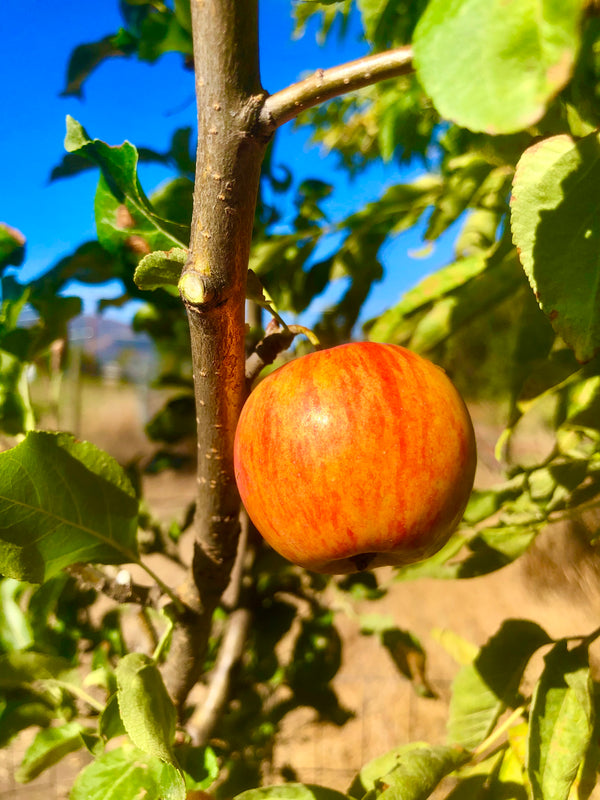 Trail Crabapple(Spring 2027)
$49.99
-
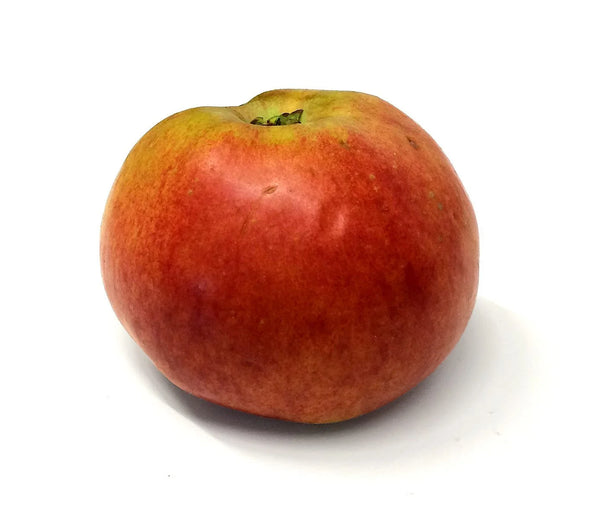 Alexander Apple(Spring 2027)
From $49.99
-
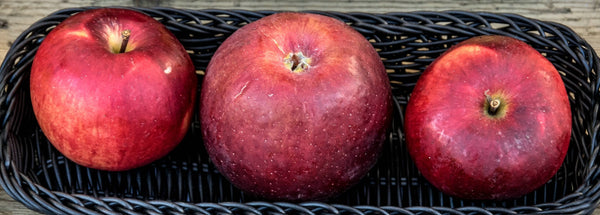 Burgundy Apple(Spring 2027)
From $49.99
-
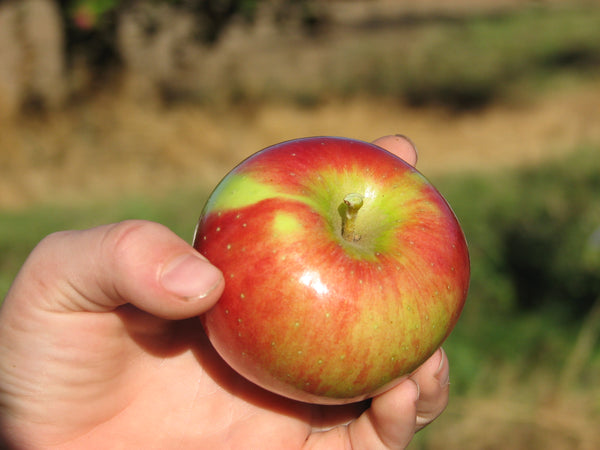 Cortland Apple(Spring 2027)
From $44.99
-
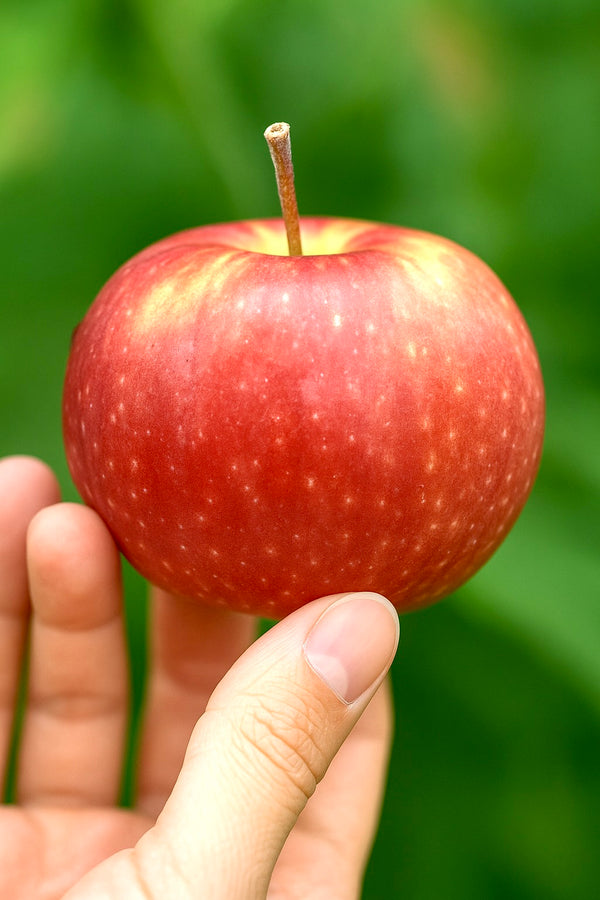 Frostbite Apple(Spring 2027)
From $59.99
-
 Goodland Apple(Spring 2027)
From $44.99
-
 Haralson Apple(Spring 2027)
From $54.99
-
 Kandil Sinap Apple(Spring 2027)
From $44.99
-
 Kerr Applecrab(Spring 2027)
From $54.99