Skip to product information


Stayman Winesap Apple
$129.99
Reliable shipping
Flexible returns
Pollination
Needs a partnerTriploid
Bloom group
5 of 7 (Mid-Late)
Ripening
Will it finish before your first hard freeze?
Check it on the Ripening Map (opens in a new tab)At a glance: Stayman Winesap Apple is an apple tree rated hardy to zone 4 in our ratings (winters to -30°F), and not self-fertile, so it needs a different variety nearby as a pollenizer (bloom group 5 of 7, mid-late for an apple or crabapple).
| Hardy to | Zone 4 to 8. A bare number means the whole of zone 4, colder half included (winters to -30°F). Find your zone with our cold hardiness calculator. |
|---|---|
| Pollination | Needs Cross-Pollination. Bloom group 5 of 7 (mid-late), late spring here. This is a triploid, so its pollen is poor and it can't pollenize other trees. Plant two different apple or crabapple varieties with good pollen that bloom in groups 4 to 6. Good partners we carry: Black Oxford Apple, Honeycrisp Apple, Northern Spy Apple, Oriole Apple and 71 more. Apple Pollination Map. |
| Rootstock and size | M7: semi-dwarf, about 11 to 16 ft tall unpruned. Leans and suckers, so stake it. Our rootstock guide. |
| Good for | Winter storage (8/10), fresh eating (7/10), pies and baking (7/10), hard cider (6/10), canning and freezing (6/10), drying (6/10). Scores are our own 1 to 10 ratings; 8 and up makes our Best Of lists. |
| Deer | A deer favorite. Fence it or cage it. |
| What you get | Bare root, 6-7 ft. 2 years older or 7-8 ft. 2 years older. Shipped or picked up in Missoula in spring, roots wrapped in moist sawdust. Guaranteed to bud out. |
Overview
Stayman Winesap is a classic American late-season apple known for its firm texture and bold, spicy-tart flavor. It’s prized for fresh eating by those who enjoy high-acid apples, and it excels in baking and cider blending thanks to its strong aromatics and structure. It is a triploid cultivar, which affects pollination planning.
Origin & History
Stayman originated as a chance seedling selected by Dr. Joseph Stayman in Leavenworth County, Kansas in 1866. It is generally regarded as a Winesap seedling, meaning Winesap is believed to be the seed parent, but because it arose from open pollination, the pollen parent is unknown and no formal pedigree exists. The variety entered commercial trade in the late 1800s, with Stark Brothers commonly credited for its broader introduction around 1895. Stayman became especially important in Mid-Atlantic and Appalachian growing regions, where it developed a reputation for flavor intensity and storage quality.
Fruit & Uses
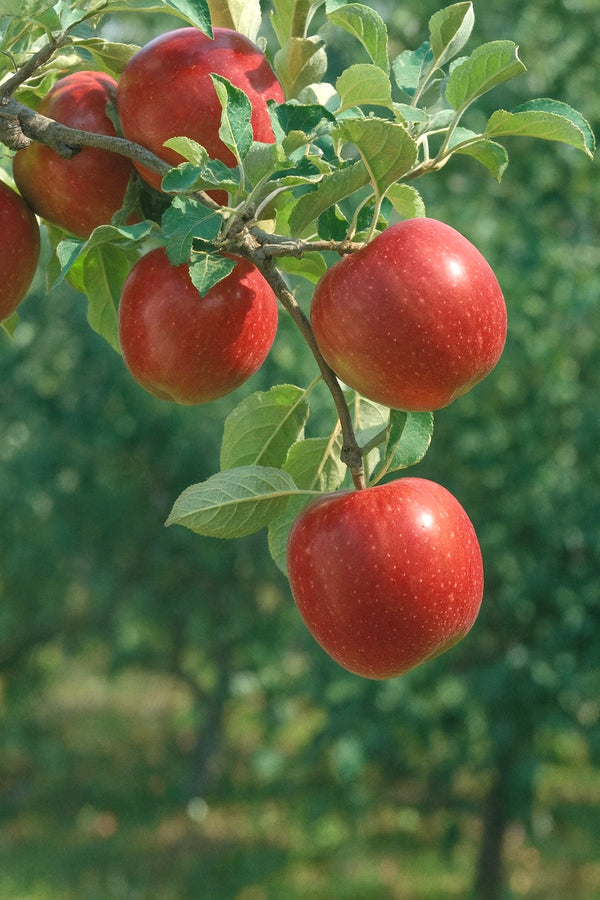
Fruit is medium to large with a greenish-yellow base and deep red striping or blush, often with some russeting in the stem cavity. Flesh is firm, crisp, and juicy with a distinctive spicy, tart profile. Excellent for fresh eating if you like assertive flavor, and outstanding for pies, baking, and cider. Stores well for an heirloom-type apple.
Growth Habit & Spacing
Trees are vigorous and can become large without pruning. Spacing depends on rootstock vigor. We offer these trees on semi-dwarf M7 and 15 ft spacing is our recommendation. Choose tighter spacing if you plan active pruning, wider spacing for lower input management.
Pollination
Stayman is a triploid, meaning it produces poor-quality pollen and should not be relied on to pollenize other apple trees. In other words, it typically requires two different compatible diploid apple varieties nearby for reliable fruit set, and it cannot serve as an effective pollenizer for other apples. Bloom is generally mid-season. Examples of good pollenizers for Stayman Winesap include: McIntosh/Fred's Mac, Dolgo, Dearborn's Unknown, Prairie Sensation, and all of our applecrabs.
Cold hardiness
Stayman Winesap had no injury from our cold that approached -30F on 1/13/24. It is at least hardy to this temperature, and likely even hardier. To stay conservative, we are listing this as a zone 4a tree, which would, at least for now, put it as doing well in most of the warmer valleys of Western MT, but should not be planted even in the warmer valleys east of the divide.
Illustration: “Stayman Winesap” by Royal Charles Steadman, USDA Pomological Watercolor Collection, Rare and Special Collections, National Agricultural Library (POM00003591). Public domain.
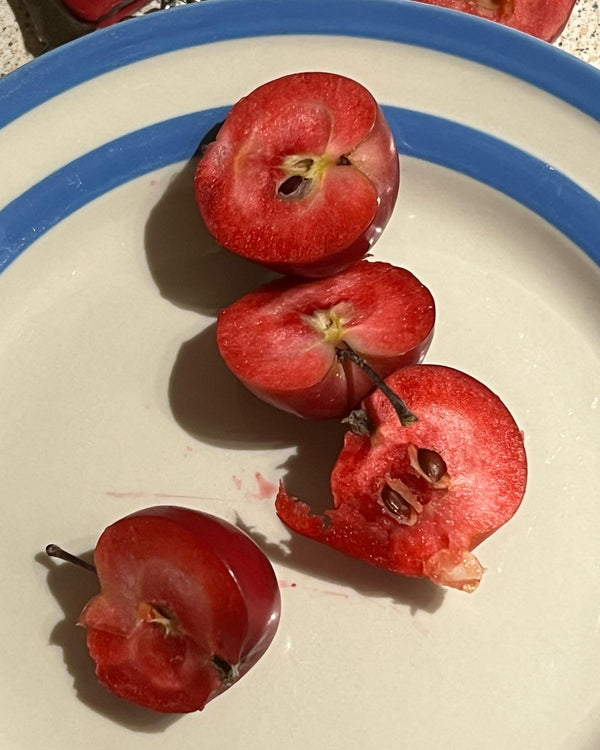
Photos: “2024-09-14 12 09 21 Stayman Winesap apples on an apple tree at the Terhune Orchards in Lawrence Township, Mercer County, New Jersey” by Famartin, via Wikimedia Commons, licensed CC BY-SA 4.0; “Stayman Winesap Apples on the tree” by Bonnachoven, via Wikimedia Commons, licensed CC0; “2024-09-14 12 24 57 Stayman Winesap apple trees with ripening fruit at the Terhune Orchards in Lawrence Township, Mercer County, New Jersey” by Famartin, via Wikimedia Commons, licensed CC BY-SA 4.0; “Mele stayman” by Assianir, via Wikimedia Commons, licensed CC BY-SA 3.0.
Questions we get about Stayman Winesap Apple
Does Stayman Winesap Apple need a pollenizer?
Yes. Stayman Winesap Apple needs pollen from a different variety that blooms at about the same time. This is a triploid, so its pollen is poor and it can't pollenize other trees. Plant two different apple or crabapple varieties with good pollen that bloom in groups 4 to 6. Partners we carry include Black Oxford Apple, Honeycrisp Apple, Northern Spy Apple.
How cold hardy is Stayman Winesap Apple?
We rate Stayman Winesap Apple hardy to zone 4, which means winters down to about -30°F. Our ratings come from real winters at our two Montana sites and from trusted growers across the North, not from a catalog average.
How big does Stayman Winesap Apple get?
We graft Stayman Winesap Apple onto M7 (semi-dwarf), which makes a tree roughly 11 to 16 ft tall if you never prune it.
What is Stayman Winesap Apple good for?
Our top use scores for Stayman Winesap Apple are winter storage (8/10), fresh eating (7/10), pies and baking (7/10), hard cider (6/10). Anything scored 8 or higher makes our Best Of lists.
Will deer eat Stayman Winesap Apple?
Yes, deer love it. Protect Stayman Winesap Apple with a fence or a cage, especially while it is young.
What arrives, and when does Stayman Winesap Apple ship?
A dormant bare-root plant, roots wrapped in moist sawdust with a vapor barrier, shipped or picked up in Missoula in spring. Sizes offered: 6-7 ft. 2 years older or 7-8 ft. 2 years older. We guarantee our plants bud out. Stone fruits can be slow, so if one still has not budded out by August 15, write to us and we credit you for the following spring.
Pollination partners
Trees that will pollenize Stayman Winesap Apple
Stayman Winesap Apple needs a different apple or crabapple nearby to set fruit. Every tree below blooms at the same time and has pollen that works for it. Plant partners within about 100 feet.
Stayman Winesap Apple is a triploid. Its pollen is poor, so it can't pollenize these back. Plant two of them so every tree in the planting gets pollenized.
Bloom group
5 of 7 (Mid-Late)
Pollination
Needs a partner
Pollen
Poor (triploid)
-
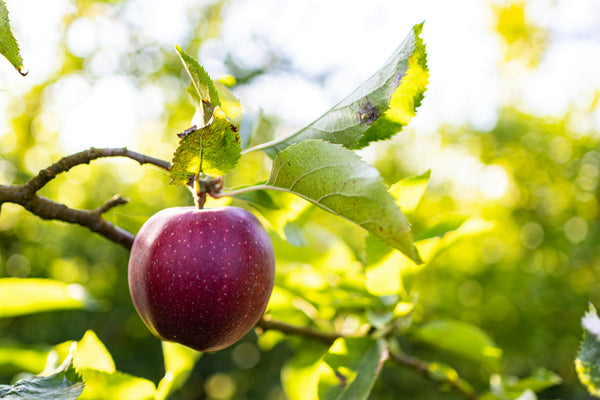 Black Oxford Apple(Spring 2027)
From $44.99
-
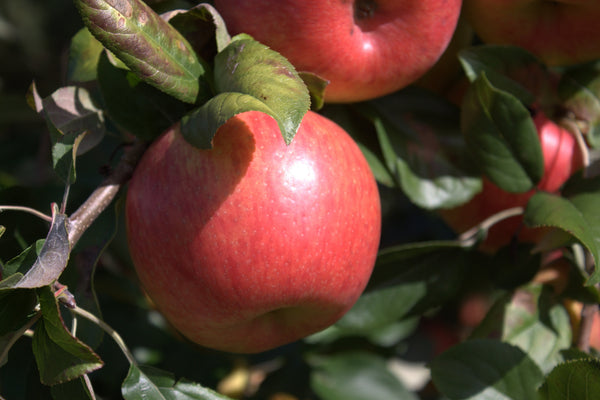 Honeycrisp Apple(Spring 2027)
From $59.99
-
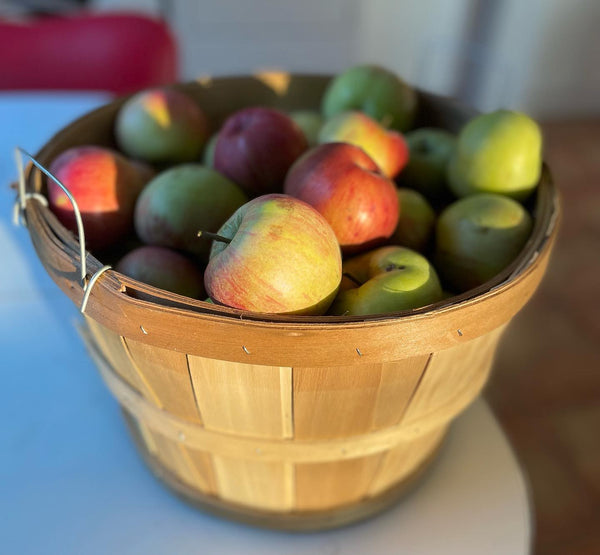 Northern Spy Apple(Spring 2027)
From $39.99
-
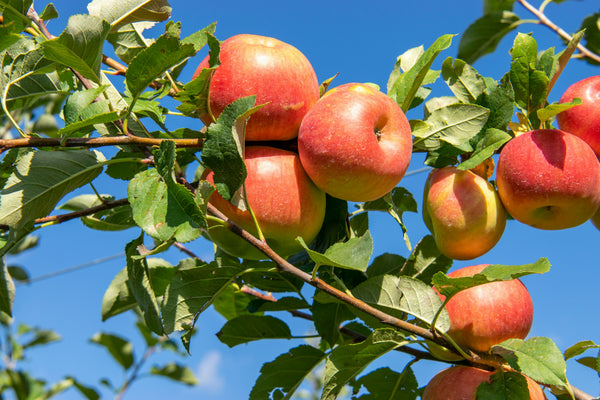 Oriole Apple(Spring 2027)
From $49.99
-
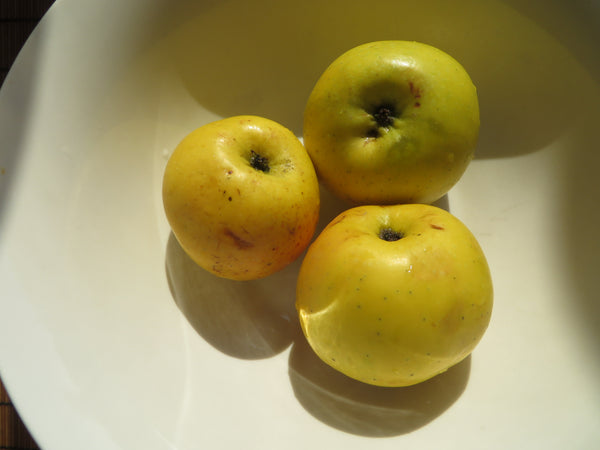 Reinette Simirenko Apple(Spring 2027)
From $44.99
-
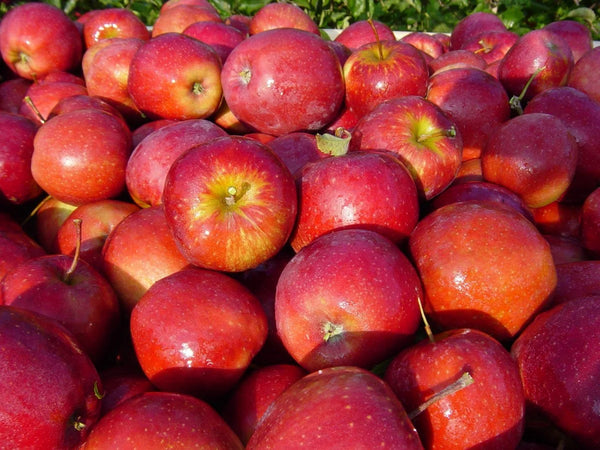 Spencer Apple(Spring 2027)
From $49.99
-
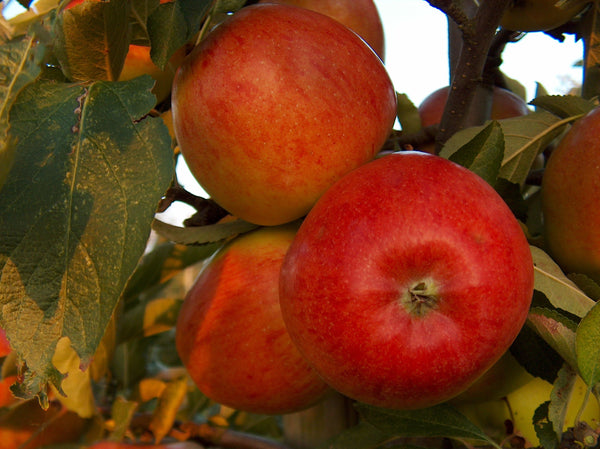 Sweet Sixteen Apple(Spring 2027)
From $44.99
-
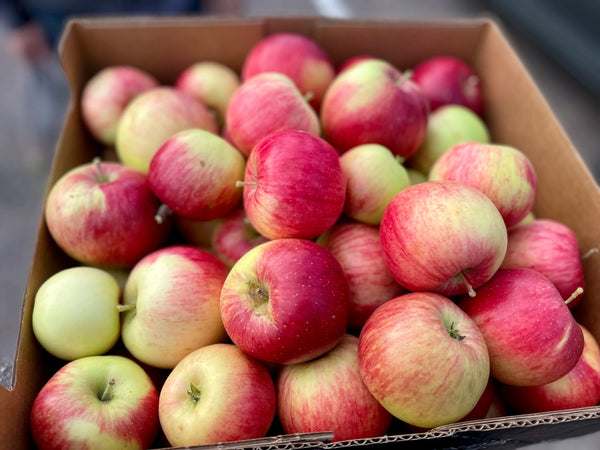 Wealthy Apple(Spring 2027)
From $59.99
-
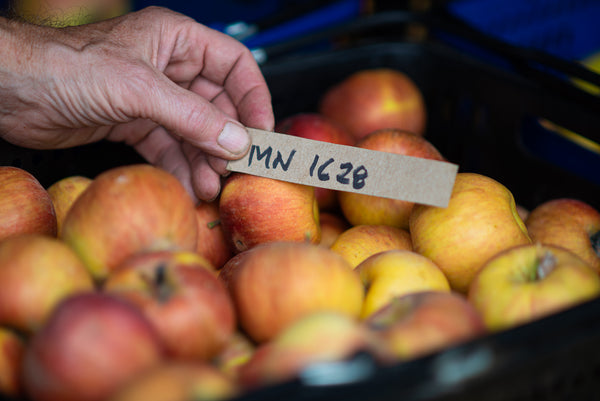 MN 1628 Apple(Spring 2027)
$89.99
-
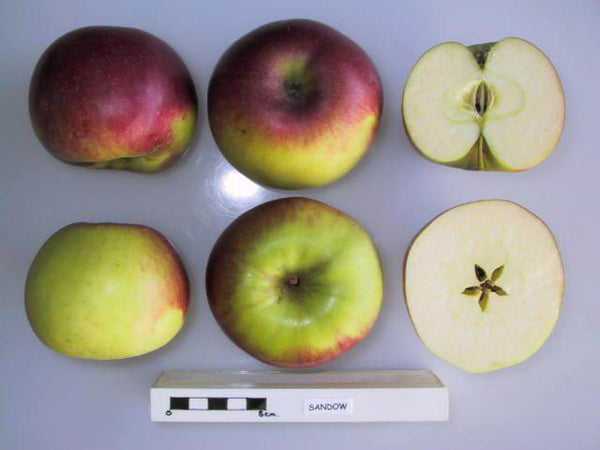 Sandow Apple(Spring 2027)
From $44.99