
Skip to product information


Karmijn de Sonnaville Apple
$44.99
Reliable shipping
Flexible returns
Pollination
Needs a partnerTriploid
Bloom group
5 of 7 (Mid-Late)
Ripening
Will it finish before your first hard freeze?
Check it on the Ripening Map (opens in a new tab)At a glance: Karmijn de Sonnaville Apple is an apple tree rated hardy to zone 4 in our ratings (winters to -30°F), and not self-fertile, so it needs a different variety nearby as a pollenizer (bloom group 5 of 7, mid-late for an apple or crabapple).
| Hardy to | Zone 4 to 8. A bare number means the whole of zone 4, colder half included (winters to -30°F). Find your zone with our cold hardiness calculator. |
|---|---|
| Pollination | Needs Cross-Pollination. Bloom group 5 of 7 (mid-late), late spring here. This is a triploid, so its pollen is poor and it can't pollenize other trees. Plant two different apple or crabapple varieties with good pollen that bloom in groups 4 to 6. Good partners we carry: Black Oxford Apple, Honeycrisp Apple, Northern Spy Apple, Oriole Apple and 71 more. Apple Pollination Map. |
| Rootstock and size | Bud 118: semi-dwarf in our dry Montana soils, semi-standard on paper, about 12 to 18 ft tall unpruned. Stands on its own, few suckers. Plant about 15 ft apart. Our rootstock guide. |
| Good for | Fresh eating (8/10), hard cider (7/10), pies and baking (7/10), juice and sweet cider (7/10), sauce and butter (6/10), cooking and roasting (6/10). Scores are our own 1 to 10 ratings; 8 and up makes our Best Of lists. |
| Deer | A deer favorite. Fence it or cage it. |
| What you get | Bare root, 3-4 ft or 4-6 ft. Shipped or picked up in Missoula in spring, roots wrapped in moist sawdust. Guaranteed to bud out. |
This is our first year growing Karmijn de Sonnaville, so everything below is secondhand until we get more long-term data from our own mother trees.
Overview
Karmijn de Sonnaville is a Dutch apple with about as much flavor as an apple can carry. Raintree says it measures highest in both sugars and acids, and Cummins calls it "one of the strongest flavored apples, extremely citrusy." Raintree also says it can overwhelm some tastes right off the tree, and recommends waiting about a month for the flavor to mellow.
Origin and History
It was raised in 1949 by Piet de Sonnaville at the horticultural plant breeding institute in Wageningen, the Netherlands, and introduced in 1971, according to the National Fruit Collection. Most sources give the parents as Cox's Orange Pippin and Jonathan.
Fruit and Uses
The fruit is a dull red to orange-red over a yellow-green background, often russeted, and it can be lumpy. It's picked in early to mid October and it keeps, somewhere between two and five months depending on who you ask, and it gets better in storage. It's a fresh-eating apple, and with that much sugar and acid it's also a good one for cider. Salt Spring Apple Company calls it "a very good cider candidate."
Growth Habit and Spacing
Ours are on Bud 118 semi-dwarf rootstock. Plan on about 15 feet between trees, up to 18 feet for airflow. Raintree calls it a vigorous grower. Most sources say it's susceptible to scab, and Cummins notes it does best where summers are cooler.
Pollination
Read this part before you plant. Karmijn is a triploid, which means its pollen isn't reliable. Raintree says flatly that it won't pollenize other varieties. It also needs a pollenizer itself, so it can't be one of only two apples in a planting. Put at least two other diploid apples near it that bloom around the same time, and everything works. Honeycrisp, Black Oxford, Northern Spy, Wealthy, Oriole and Sweet Sixteen are good choices. Ashmead's Kernel and Roxbury Russet are triploids too, so they don't count.
Cold Hardiness
We've listed it at zone 4 for now. Raintree rates it USDA zone 4, but keep in mind that's an average-winter rating, not a record of the coldest temperature it has survived. We'll update it once we've wintered our own trees.
Photo credit: “Karmijn apple” by ConT, via Wikimedia Commons, licensed under CC BY-SA 4.0.
Questions we get about Karmijn de Sonnaville Apple
Does Karmijn de Sonnaville Apple need a pollenizer?
Yes. Karmijn de Sonnaville Apple needs pollen from a different variety that blooms at about the same time. This is a triploid, so its pollen is poor and it can't pollenize other trees. Plant two different apple or crabapple varieties with good pollen that bloom in groups 4 to 6. Partners we carry include Black Oxford Apple, Honeycrisp Apple, Northern Spy Apple.
How cold hardy is Karmijn de Sonnaville Apple?
We rate Karmijn de Sonnaville Apple hardy to zone 4, which means winters down to about -30°F. Our ratings come from real winters at our two Montana sites and from trusted growers across the North, not from a catalog average.
How big does Karmijn de Sonnaville Apple get?
We graft Karmijn de Sonnaville Apple onto Bud 118 (semi-dwarf in our dry Montana soils, semi-standard on paper), which makes a tree roughly 12 to 18 ft tall if you never prune it. Plant about 15 ft apart.
What is Karmijn de Sonnaville Apple good for?
Our top use scores for Karmijn de Sonnaville Apple are fresh eating (8/10), hard cider (7/10), pies and baking (7/10), juice and sweet cider (7/10). Anything scored 8 or higher makes our Best Of lists.
Will deer eat Karmijn de Sonnaville Apple?
Yes, deer love it. Protect Karmijn de Sonnaville Apple with a fence or a cage, especially while it is young.
What arrives, and when does Karmijn de Sonnaville Apple ship?
A dormant bare-root plant, roots wrapped in moist sawdust with a vapor barrier, shipped or picked up in Missoula in spring. Sizes offered: 3-4 ft or 4-6 ft. We guarantee our plants bud out. Stone fruits can be slow, so if one still has not budded out by August 15, write to us and we credit you for the following spring.
Pollination partners
Trees that will pollenize Karmijn de Sonnaville Apple
Karmijn de Sonnaville Apple needs a different apple or crabapple nearby to set fruit. Every tree below blooms at the same time and has pollen that works for it. Plant partners within about 100 feet.
Karmijn de Sonnaville Apple is a triploid. Its pollen is poor, so it can't pollenize these back. Plant two of them so every tree in the planting gets pollenized.
Bloom group
5 of 7 (Mid-Late)
Pollination
Needs a partner
Pollen
Poor (triploid)
-
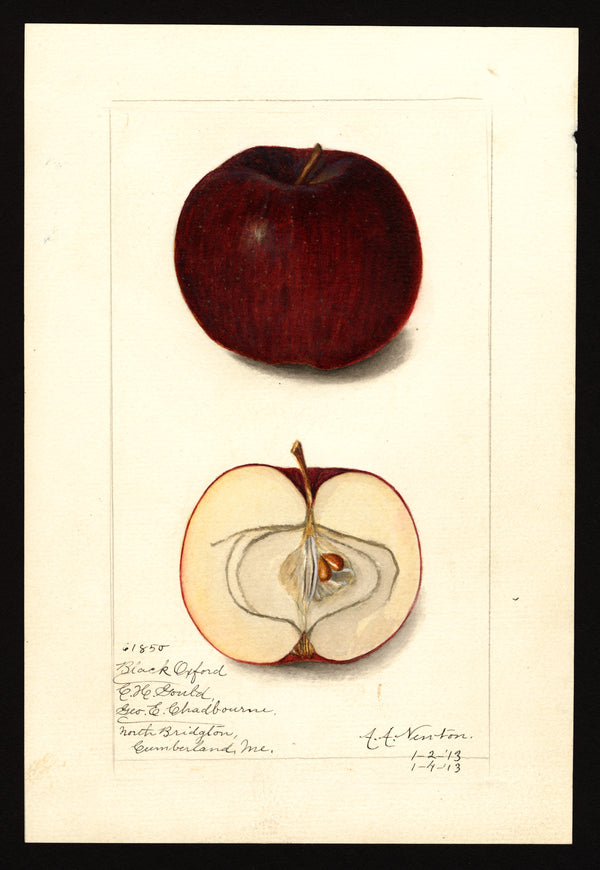 Black Oxford Apple
From $44.99
Black Oxford Apple
From $44.99
-
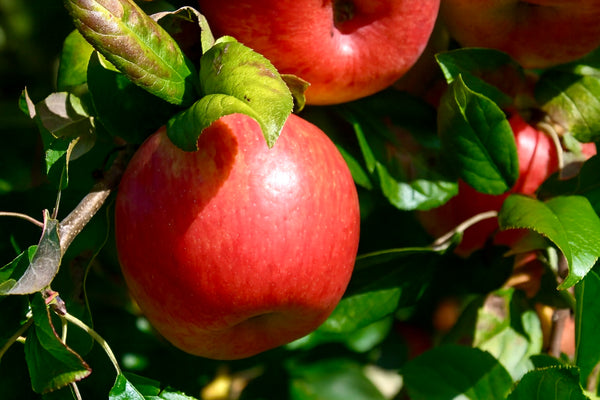 Honeycrisp Apple
From $59.99
Honeycrisp Apple
From $59.99
-
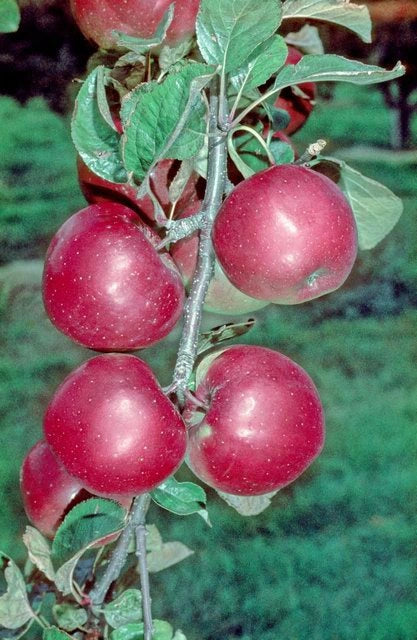 Northern Spy Apple
From $39.99
Northern Spy Apple
From $39.99
-
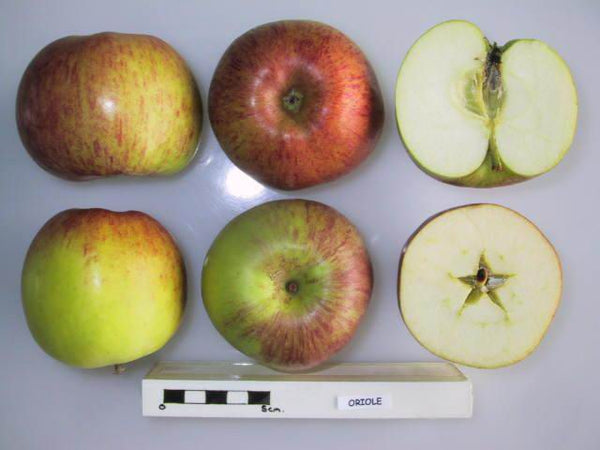 Oriole Apple
From $49.99
Oriole Apple
From $49.99
-
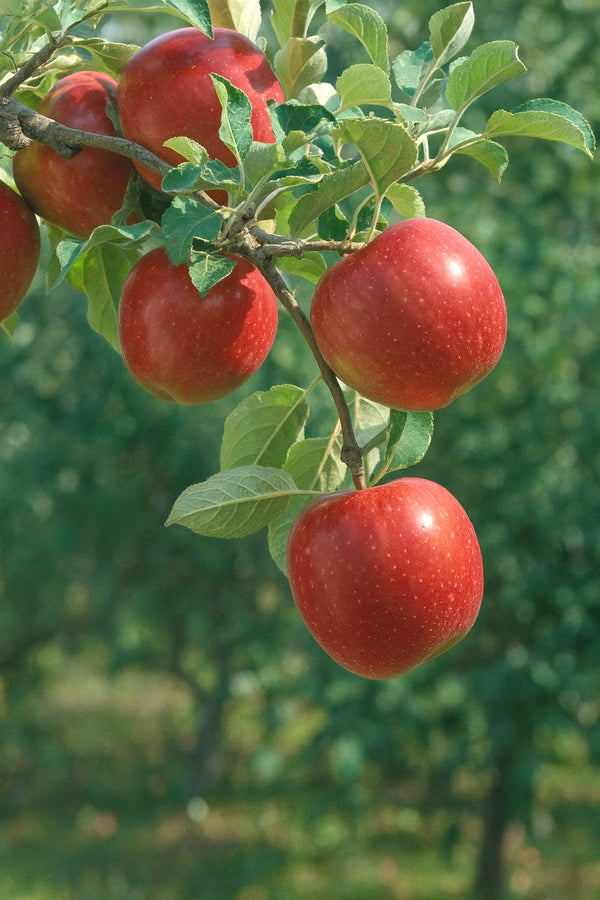 Prairie Spy Apple
$59.99
Prairie Spy Apple
$59.99
-
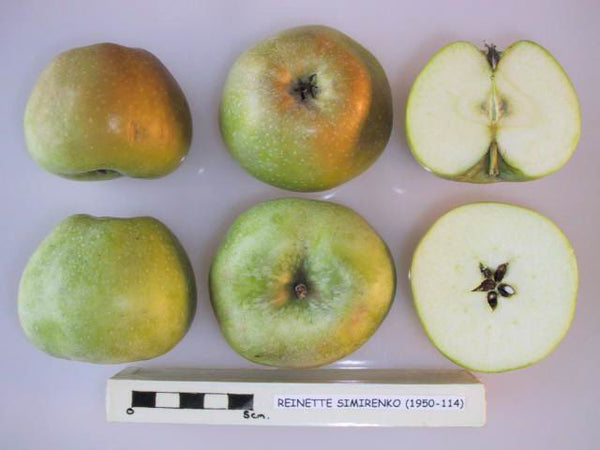 Reinette Simirenko Apple
From $44.99
Reinette Simirenko Apple
From $44.99
-
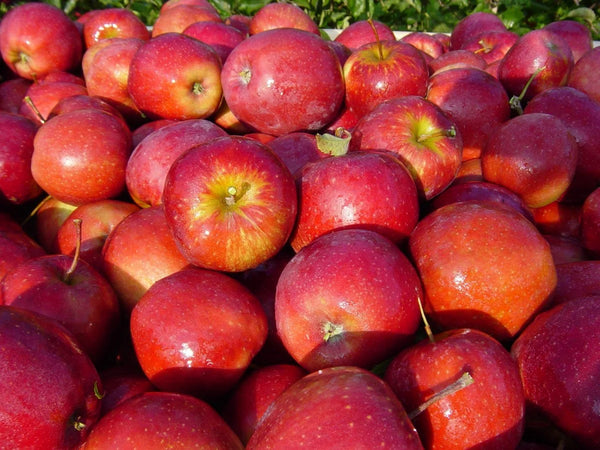 Spencer Apple
From $49.99
Spencer Apple
From $49.99
-
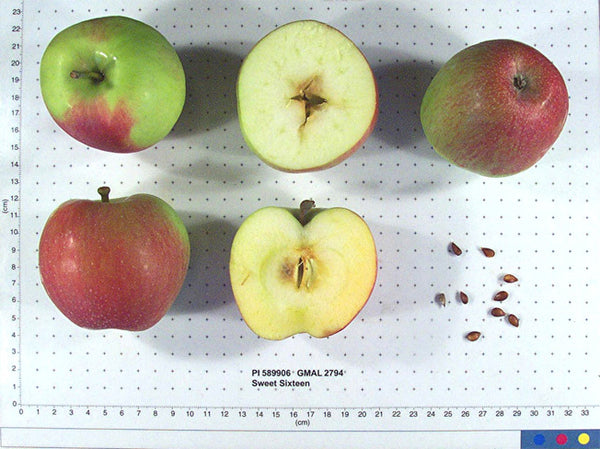 Sweet Sixteen Apple
From $44.99
Sweet Sixteen Apple
From $44.99
-
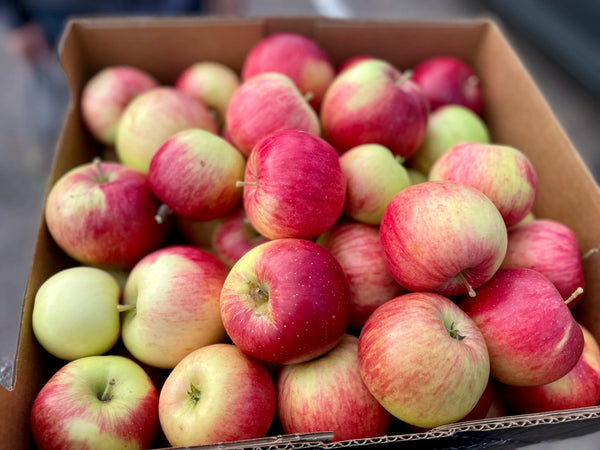 Wealthy Apple
From $59.99
Wealthy Apple
From $59.99
-
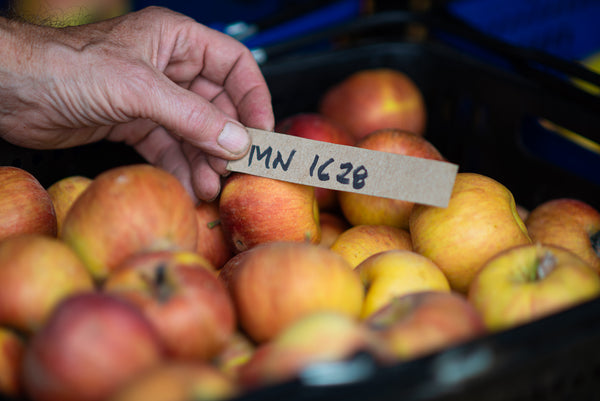 MN 1628 Apple
$89.99
MN 1628 Apple
$89.99
-
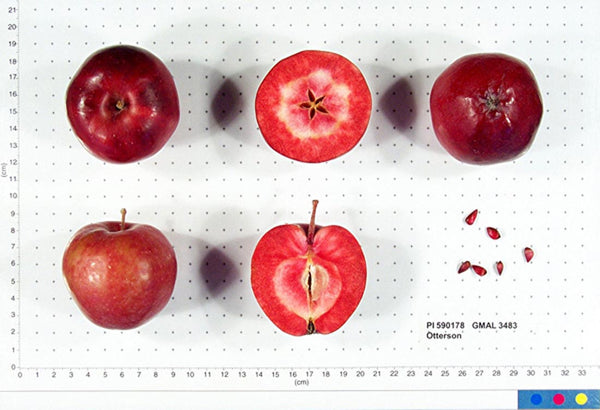 Otterson Crabapple
$89.99
Otterson Crabapple
$89.99
-
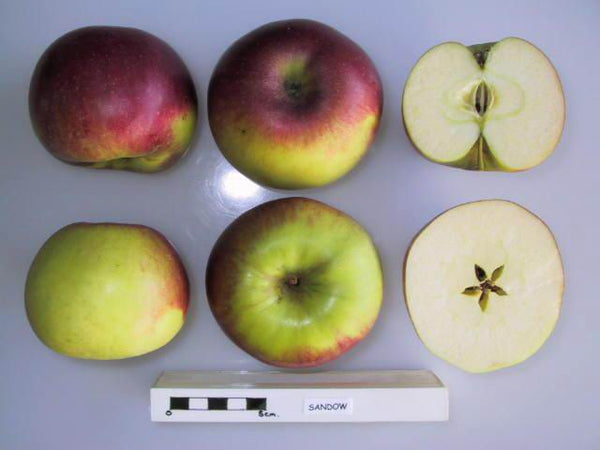 Sandow Apple
From $44.99
Sandow Apple
From $44.99
