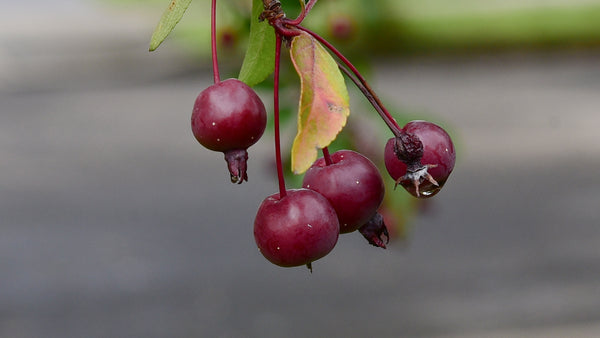
Skip to product information


Kindercrisp Apple (Spring 2027)
$44.99
Reliable shipping
Flexible returns
Pollination
Needs a partner
Bloom group
3 of 7 (Early-Mid)
Ripening
Will it finish before your first hard freeze?
Check it on the Ripening Map (opens in a new tab)
Disease resistanceNo strong resistance
- 2 Apple scab : Susceptible, 2 of 5
- 2 Cedar-apple rust : Susceptible, 2 of 5
- ? Fire blight : Unknown, no published data yet
- ? Powdery mildew : Unknown, no published data yet
Scored 1 to 5. Higher resists better, and ? means no published data yet.
See it on our apple disease chart (opens in a new tab)At a glance: Kindercrisp Apple is an apple tree rated hardy to zone 2 in our ratings (winters to -50°F), not self-fertile, so it needs a different variety nearby as a pollenizer (bloom group 3 of 7, early-mid for an apple or crabapple), and it ripens about Aug 23 to Sep 6 in Missoula (picked and dated at our place in Missoula).
| Hardy to | Zone 2 to 7. A bare number means the whole of zone 2, colder half included (winters to -50°F). Find your zone with our cold hardiness calculator. |
|---|---|
| Chill hours | About 1,000 hours (800 to 1,200). Our estimate. No published figure exists for this variety yet. Montana winters give it plenty. In milder climates, make sure your winters average at least this much. Check your chill hours or see our sources. |
| Pollination | Needs Cross-Pollination. Bloom group 3 of 7 (early-mid), late spring here. Plant a different apple or crabapple variety that blooms in groups 2 to 4, such as Chestnut Applecrab, Pristine or Haralson. Its pollen quality isn't confirmed yet, so don't count on it as the only pollenizer for another tree. Good partners we carry: Centennial Applecrab, Pristine Apple, Dearborn's Unknown Apple, Norkent Apple and 100 more. Apple Pollination Map. |
| Ripens | About Aug 23 to Sep 6 in Missoula (picked and dated off our own trees). Real years swing about a week either way. See the date for your town. |
| Rootstock and size | Bud 118: semi-dwarf in our dry Montana soils, semi-standard on paper, about 12 to 18 ft tall unpruned. Stands on its own, few suckers. Dolgo: full size, about 20 to 30 ft tall unpruned. Very hardy and well anchored. Plant 15 to 16 ft apart. Our rootstock guide. |
| Good for | Fresh eating (8/10). Scores are our own 1 to 10 ratings; 8 and up makes our Best Of lists. |
| Deer | A deer favorite. Fence it or cage it. |
| What you get | Bare root, 3-4 ft or 4-6 ft. Shipped or picked up in Missoula in spring, roots wrapped in moist sawdust. Guaranteed to bud out. |
Overview
Kindercrisp Apple (also known as KinderKrisp or MAC 2137) is a cold hardy apple variety developed as a chance seedling on a Minnesota farm in Fairhaven, Minnesota, in 1998 by fruit breeder David MacGregor. Its exact parentage is undocumented, but it is widely thought to have Honeycrisp in its background based on flavor, texture, and breeder notes. It was later patented and released in the early 21st century after evaluation for quality and vigor.
Fruit Quality & Uses
Kindercrisp produces small to medium red apples with yellow flesh and a remarkably crisp, juicy texture reminiscent of Honeycrisp but in a smaller, snack-friendly size. The flavor is sweet with a pleasant balance of acidity and spice notes. The fruit is excellent for fresh eating, and its firmness and balanced flavor also make it suitable for cooking, baking, sauces, and juice. Fruit can also store for several weeks to a few months under proper conditions.
Growth Habit & Spacing
Kindercrisp trees tend to be moderately vigorous with a generally upright growth habit and precocious bearing. Spacing will vary with rootstock, but as a guideline, plant trees 15–16 feet apart for trees on Bud 118 rootstock, and 18-20 ft for trees on full size rootstock to allow good light penetration and airflow through the canopy.
Cold Hardiness
Kindercrisp is much hardier than many places list. All 5 of Ed Schultz' Kindercrisp had made it through multiple winters where the temperature dipped to -47F in Gallatin Gateway, MT. Way hardier than we would have thought. Solid zone 2 apple relative to how we have observed it in some of the coldest parts of Montana.
Ripening Time
Kindercrisp ripens late August to early September in Missoula, MT making it a good late summer, mid-season apple. Its earlier ripening relative to many other heritage and cold-hardy apples helps ensure full maturity before fall cool-downs.
Pollination
Like almost all apples, Kindercrisp requires cross-pollination with another apple variety that blooms at the same time. Good pollenizers for Kindercrisp from the Montana Fruit Trees' collection include varieties that overlap bloom periods such as Chestnut, Pristine, Haralson, Zestar!, Frostbite, Centennial, Rescue, Trailman, Dearborn's Unknown, Norkent, Norland, Norson, and others.
Questions we get about Kindercrisp Apple
Does Kindercrisp Apple need a pollenizer?
Yes. Kindercrisp Apple needs pollen from a different variety that blooms at about the same time. Plant a different apple or crabapple variety that blooms in groups 2 to 4, such as Chestnut Applecrab, Pristine or Haralson. Its pollen quality isn't confirmed yet, so don't count on it as the only pollenizer for another tree. Partners we carry include Centennial Applecrab, Pristine Apple, Dearborn's Unknown Apple.
How cold hardy is Kindercrisp Apple?
We rate Kindercrisp Apple hardy to zone 2, which means winters down to about -50°F. Our ratings come from real winters at our two Montana sites and from trusted growers across the North, not from a catalog average.
How many chill hours does Kindercrisp Apple need?
About 1,000 hours of winter chill (we count hours at or below 45°F), likely somewhere between 800 and 1,200. Nobody has published a chill figure for it, so that's our estimate from its relatives and origin. Our chill hours guide has a calculator for your winters, and our research page lists the sources.
When does Kindercrisp Apple ripen?
About Aug 23 to Sep 6 in Missoula, Montana (picked and dated off our own trees). Warmer places run earlier and cooler places later; our ripening map converts the date to your town.
How big does Kindercrisp Apple get?
We graft Kindercrisp Apple onto Bud 118 (semi-dwarf in our dry Montana soils, semi-standard on paper), which makes a tree roughly 12 to 18 ft tall if you never prune it. Some sizes are on Dolgo. Plant 15 to 16 ft apart.
What is Kindercrisp Apple good for?
Our top use scores for Kindercrisp Apple are fresh eating (8/10). Anything scored 8 or higher makes our Best Of lists.
Is Kindercrisp Apple disease resistant?
No. It's prone to apple scab and cedar-apple rust. Nobody has published solid data on it for fire blight and powdery mildew yet, so we list those as unknown. Our apple disease resistance chart has every rating, the notes and the sources.
Will deer eat Kindercrisp Apple?
Yes, deer love it. Protect Kindercrisp Apple with a fence or a cage, especially while it is young.
More Plants Like This
By Zone
Best For
Pollination, Bloom & Ripening
Pollination partners
Trees that will pollenize Kindercrisp Apple
Kindercrisp Apple needs a different apple or crabapple nearby to set fruit. Every tree below blooms at the same time and has pollen that works for it. Plant partners within about 100 feet.
Bloom group
3 of 7 (Early-Mid)
Pollination
Needs a partner
Pollen
Not tested yet
-
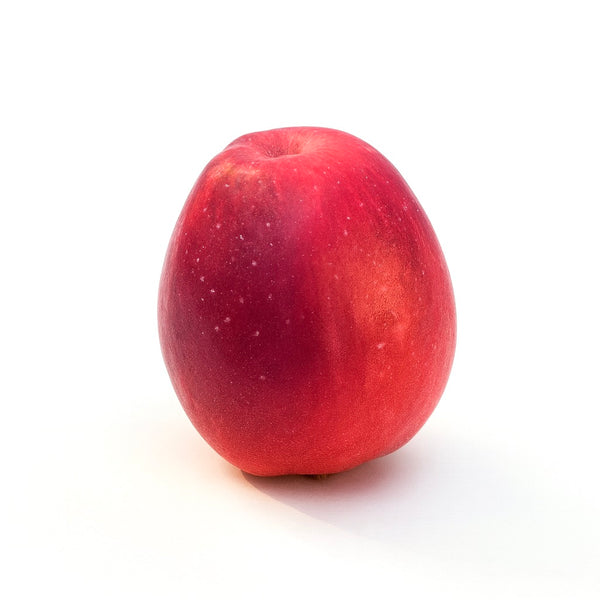 Centennial Applecrab(Spring 2027)
From $59.99
-
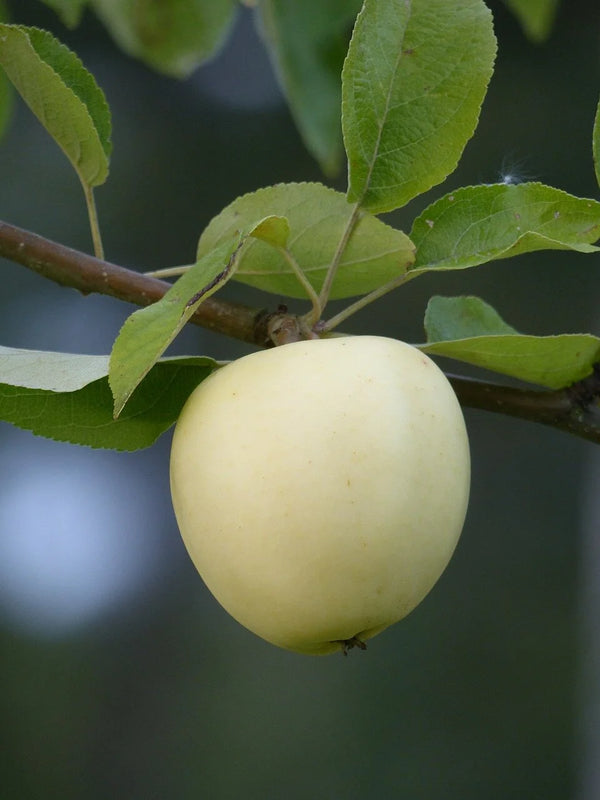 Pristine Apple(Spring 2027)
From $49.99
-
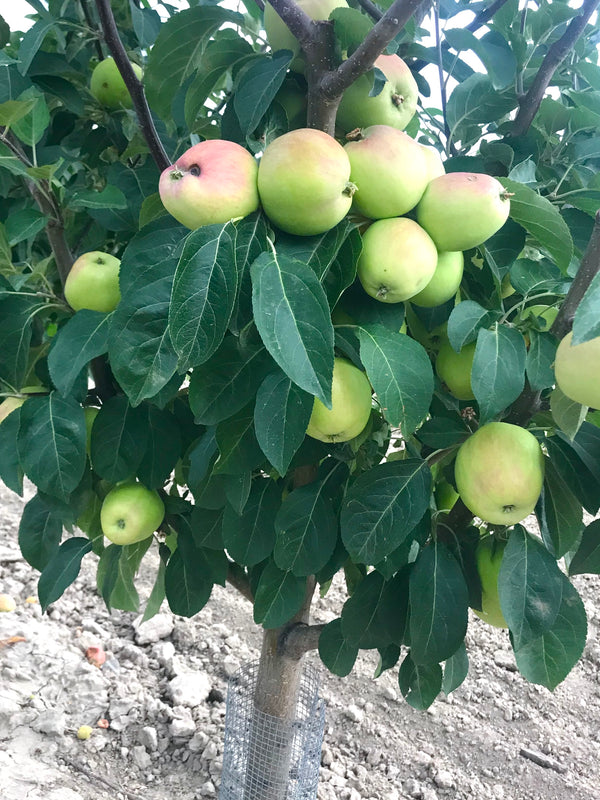 Dearborn's Unknown Apple(Spring 2027)
From $59.99
-
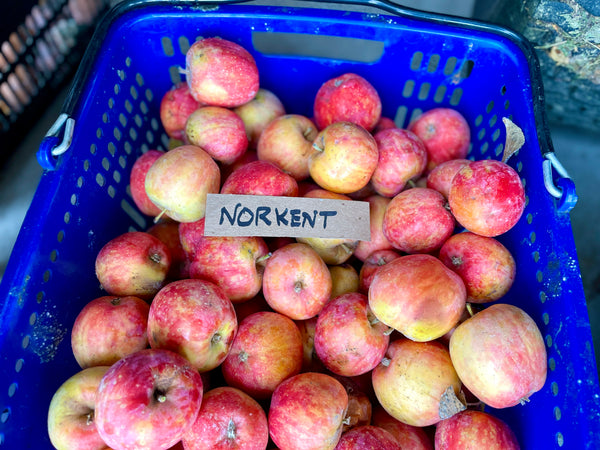 Norkent Apple(Spring 2027)
From $54.99
-
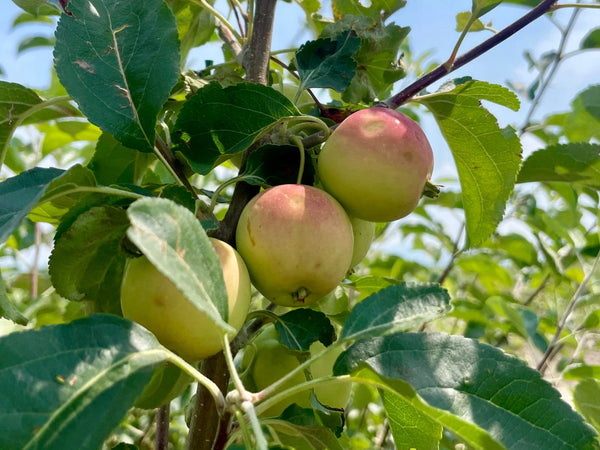 Rescue Applecrab(Spring 2027)
From $49.99
-
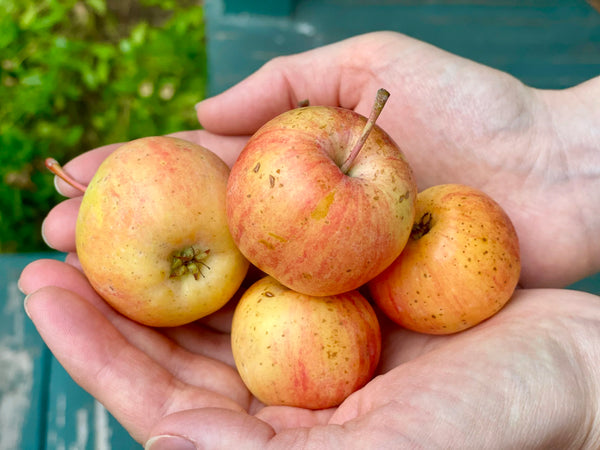 Chestnut Applecrab(Spring 2027)
From $59.99
-
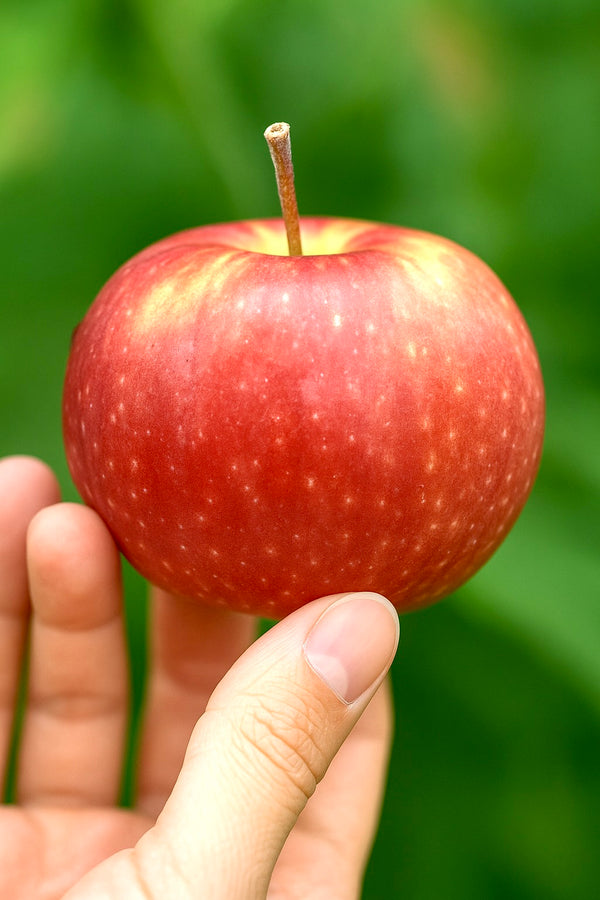 Frostbite Apple(Spring 2027)
From $59.99
-
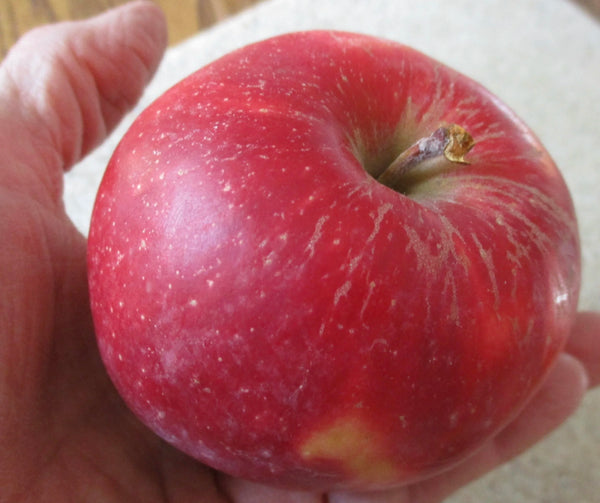 Haralson Apple(Spring 2027)
From $54.99
-
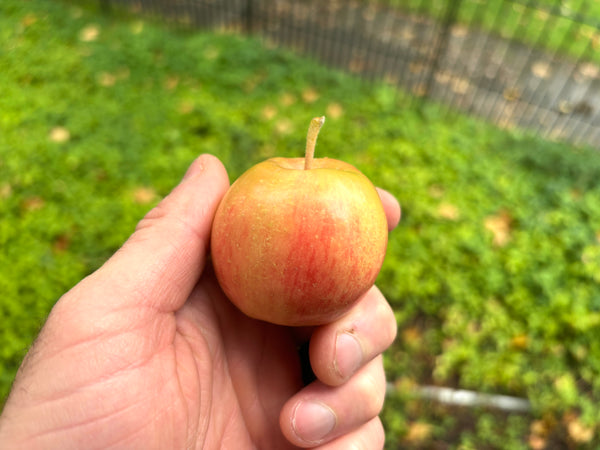 Hewe's Virginia Crabapple(Spring 2027)
From $74.99
-
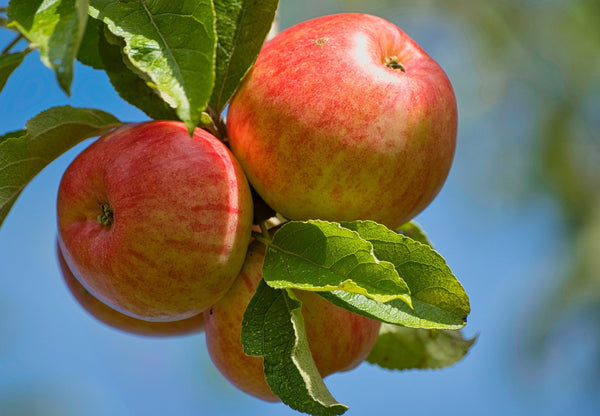 Norland Apple(Spring 2027)
From $49.99
-
 Zestar!® Apple(Spring 2027)
From $59.99