Skip to product information


Hewe's Virginia Crabapple (Spring 2027)
$74.99
Reliable shipping
Flexible returns
Pollination
Needs a partner
Bloom group
3 of 7 (Early-Mid)
Ripening
Will it finish before your first hard freeze?
Check it on the Ripening Map (opens in a new tab)At a glance: Hewe's Virginia Crabapple is a crabapple tree rated hardy to zone 4 in our ratings (winters to -30°F), not self-fertile, so it needs a different variety nearby as a pollenizer (bloom group 3 of 7, early-mid for an apple or crabapple), and it ripens about Sep 5 to Sep 23 in Missoula (our Missoula estimate).
| Hardy to | Zone 4 to 9. A bare number means the whole of zone 4, colder half included (winters to -30°F). Our notes have it taking -38°F. Find your zone with our cold hardiness calculator. |
|---|---|
| Pollination | Needs Cross-Pollination. Bloom group 3 of 7 (early-mid), late spring here. Plant a different apple or crabapple variety that blooms in groups 2 to 4. It has good pollen, so it can also pollenize other apples blooming at the same time. Good partners we carry: Hyslop Crabapple, Wickson Crabapple, Blue Pearmain Apple, Carroll Apple and 100 more. Apple Pollination Map. |
| Ripens | About Sep 5 to Sep 23 in Missoula (a Missoula estimate from published sources). Real years swing about a week either way. See the date for your town. |
| Rootstock and size | Bud 118: semi-dwarf in our dry Montana soils, semi-standard on paper, about 12 to 18 ft tall unpruned. Stands on its own, few suckers. Our rootstock guide. |
| Good for | Hard cider (9/10), pollenizing other trees (7/10), juice and sweet cider (6/10). Scores are our own 1 to 10 ratings; 8 and up makes our Best Of lists. |
| Deer | A deer favorite. Fence it or cage it. |
| What you get | Bare root, 4-6 ft or 5-7 ft. Shipped or picked up in Missoula in spring, roots wrapped in moist sawdust. Guaranteed to bud out. |
Overview
Hewe’s Virginia Crab (also called Virginia Crab and often listed under Hughes/Hugh’s as a synonym) is one of the best-known historic American cider crabs from Virginia, documented in the colonial era and strongly associated with early American cidermaking. It appears in 18th-century Southern nursery listings (mid-1700s), and it was famously grown at Monticello by Thomas Jefferson as a cider apple.
Parentage is not conclusively documented. In pomological and museum/historic-orchard references it is commonly described as either a chance seedling of, or a hybrid involving, the native Southern crabapple (Malus angustifolia) and a European domesticated apple type—but this should be treated as an informed hypothesis rather than proven pedigree.
Flavor & Uses
Hewe’s is historically prized for cider: small fruit, high juice value for its size, and a profile that can contribute structure (acid/tannin) and aromatic lift to blends—while also being one of the rare crabs frequently cited as capable of standing alone as a varietal cider.
In Missoula, MT, our friend Michael Billington of Western Cider has used Hewe’s in several blends and also as a standout varietal dry cider. Luke tasted the fruit fresh at peak ripeness in fall 2025 and noted: somewhat thick skin; starts sweet then turns tart quickly; not super complex; slight chalkiness (not overbearing).
Cold Hardiness
From the broader references we reviewed while creating this description, Hewe’s is consistently described as unusually hardy for a cider apple, including historical notes that it was once used as a rootstock far into northern regions, implying strong winter durability.
Hardiness ratings do vary by source (some list it around Zone 4, others as cold as Zone 3), which is a reminder that “zone ratings” are not the same as a verified single-temperature kill threshold.
That said, Western Ag Resarch Center's field observation noted that Hewe’s Virginia Crab survived −38°F on the morning of January 12, 2024 with very minor tip damage (if any). That performance supports treating it as a legitimately cold-climate cider crab for Montana, and it helps explain why Zach and Katrina at the Western Ag Research Center in Corvallis, MT had described it among the cold-harder cultivars in station-orchard contexts.
Growth Habit
Hewe’s is generally described as vigorous and productive, and it’s widely noted as an excellent pollenizer (crabapples in general, and Hewe’s specifically, are often planted partly for pollination support in mixed orchards).
Questions we get about Hewe's Virginia Crabapple
Does Hewe's Virginia Crabapple need a pollenizer?
Yes. Hewe's Virginia Crabapple needs pollen from a different variety that blooms at about the same time. Plant a different apple or crabapple variety that blooms in groups 2 to 4. It has good pollen, so it can also pollenize other apples blooming at the same time. Partners we carry include Hyslop Crabapple, Wickson Crabapple, Blue Pearmain Apple.
How cold hardy is Hewe's Virginia Crabapple?
We rate Hewe's Virginia Crabapple hardy to zone 4, which means winters down to about -30°F. Our notes have it taking -38°F. Our ratings come from real winters at our two Montana sites and from trusted growers across the North, not from a catalog average.
When does Hewe's Virginia Crabapple ripen?
About Sep 5 to Sep 23 in Missoula, Montana (an estimate built from published sources and our climate). Warmer places run earlier and cooler places later; our ripening map converts the date to your town.
How big does Hewe's Virginia Crabapple get?
We graft Hewe's Virginia Crabapple onto Bud 118 (semi-dwarf in our dry Montana soils, semi-standard on paper), which makes a tree roughly 12 to 18 ft tall if you never prune it.
What is Hewe's Virginia Crabapple good for?
Our top use scores for Hewe's Virginia Crabapple are hard cider (9/10), pollenizing other trees (7/10), juice and sweet cider (6/10). Anything scored 8 or higher makes our Best Of lists.
Will deer eat Hewe's Virginia Crabapple?
Yes, deer love it. Protect Hewe's Virginia Crabapple with a fence or a cage, especially while it is young.
Pollination partners
Trees that will pollenize Hewe's Virginia Crabapple
Hewe's Virginia Crabapple needs a different apple or crabapple nearby to set fruit. Every tree below blooms at the same time and has pollen that works for it. Plant partners within about 100 feet.
Bloom group
3 of 7 (Early-Mid)
Pollination
Needs a partner
Pollen
Good pollenizer
-
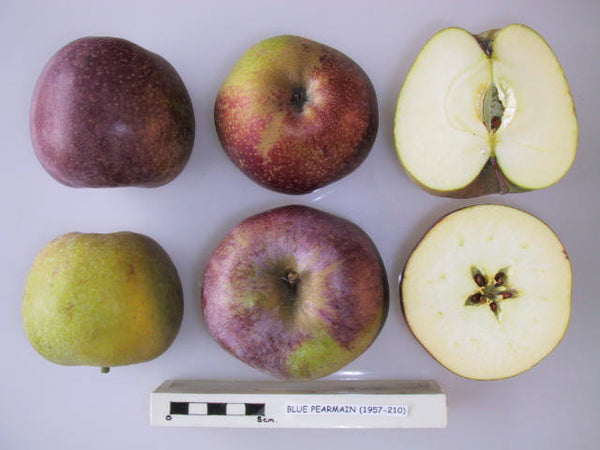 Blue Pearmain Apple(Spring 2027)
From $39.99
Blue Pearmain Apple(Spring 2027)
From $39.99
-
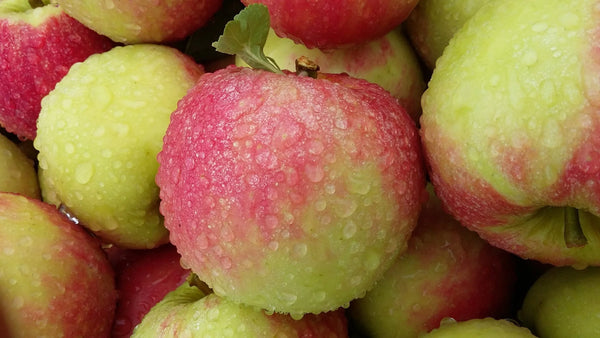 Carroll Apple(Spring 2027)
From $49.99
Carroll Apple(Spring 2027)
From $49.99
-
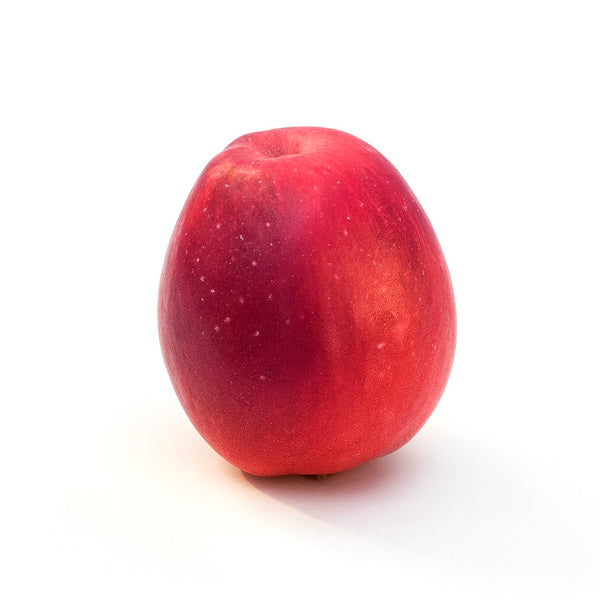 Centennial Applecrab(Spring 2027)
From $59.99
Centennial Applecrab(Spring 2027)
From $59.99
-
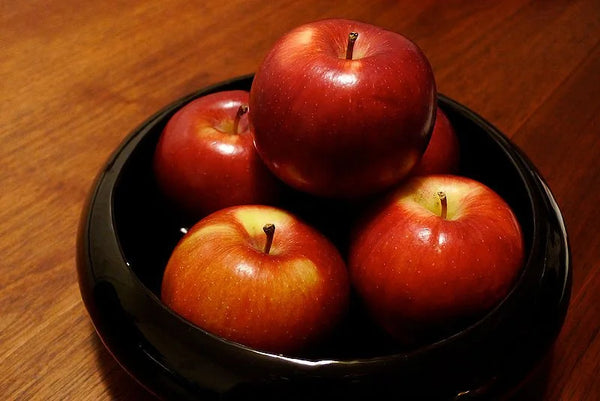 Empire Apple(Spring 2027)
From $34.99
Empire Apple(Spring 2027)
From $34.99
-
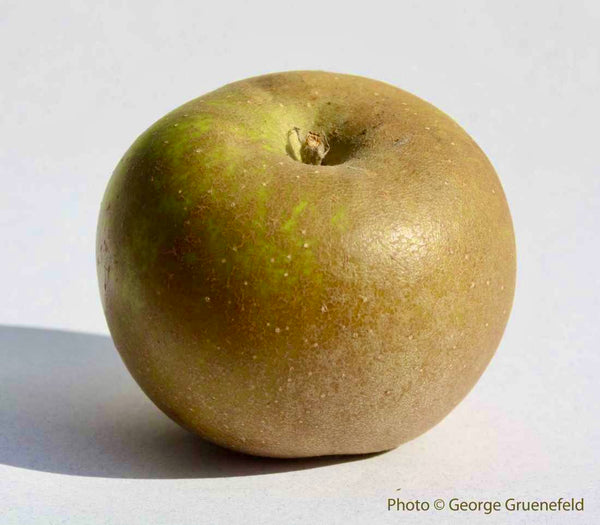 Golden Russet Apple(Spring 2027)
From $44.99
Golden Russet Apple(Spring 2027)
From $44.99
-
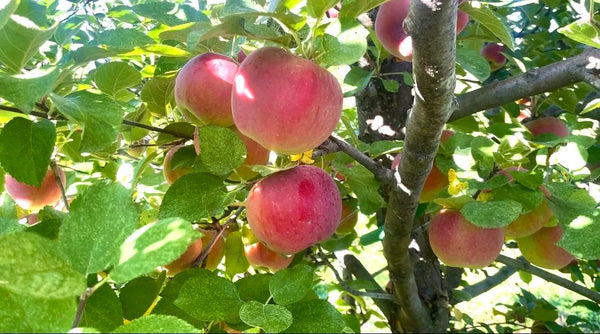 Liberty Apple(Spring 2027)
From $49.99
Liberty Apple(Spring 2027)
From $49.99
-
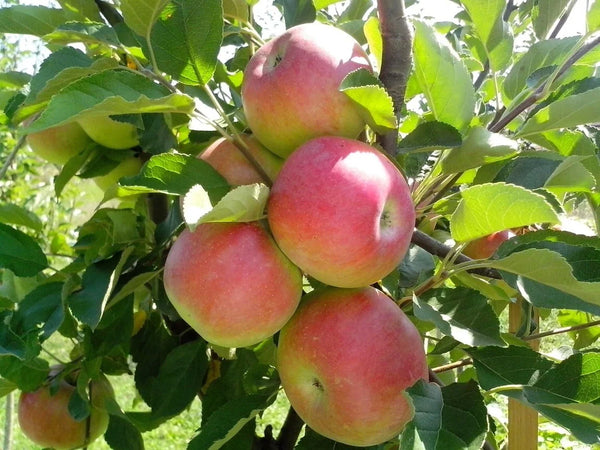 Parkland Apple(Spring 2027)
$74.99
Parkland Apple(Spring 2027)
$74.99
-
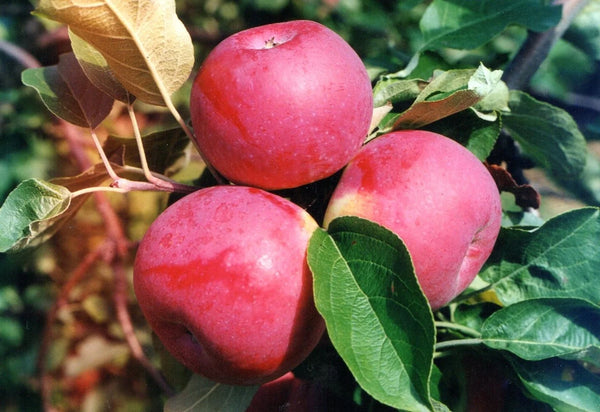 Paula Red Apple(Spring 2027)
From $59.99
Paula Red Apple(Spring 2027)
From $59.99
-
 Sunrise(Spring 2027)
From $44.99
Sunrise(Spring 2027)
From $44.99