Skip to product information


Fred's Mac Apple (Spring 2027)
$59.99
Reliable shipping
Flexible returns
Pollination
Needs a partner
Bloom group
3 of 7 (Early-Mid)
Ripening
Will it finish before your first hard freeze?
Check it on the Ripening Map (opens in a new tab)
Disease resistanceResists 1 of 4
- 1 Apple scab : Highly susceptible, 1 of 5
- 5 Cedar-apple rust : Highly resistant, 5 of 5
- 2 Fire blight : Susceptible, 2 of 5
- 2 Powdery mildew : Susceptible, 2 of 5
Scored 1 to 5. Higher resists better, and ? means no published data yet.
See it on our apple disease chart (opens in a new tab)At a glance: Fred's Mac Apple is an apple tree rated hardy to zone 3 in our ratings (winters to -40°F), and not self-fertile, so it needs a different variety nearby as a pollenizer (bloom group 3 of 7, early-mid for an apple or crabapple).
| Hardy to | Zone 3 to 7. A bare number means the whole of zone 3, colder half included (winters to -40°F). Find your zone with our cold hardiness calculator. |
|---|---|
| Chill hours | About 850 hours (800 to 1,000). Same as its parent, McIntosh. Montana winters give it plenty. In milder climates, make sure your winters average at least this much. Check your chill hours or see our sources. |
| Pollination | Needs Cross-Pollination. Bloom group 3 of 7 (early-mid), late spring here. Plant a different apple or crabapple variety that blooms in groups 2 to 4. It has good pollen, so it can also pollenize other apples blooming at the same time. Good partners we carry: Hewe's Virginia Crabapple, Hyslop Crabapple, Wickson Crabapple, Blue Pearmain Apple and 98 more. Apple Pollination Map. |
| Rootstock and size | Spy 227: full size. A Northern Spy selection. Dolgo: full size, about 20 to 30 ft tall unpruned. Very hardy and well anchored. Plant 18 to 20 ft apart. Our rootstock guide. |
| Good for | Fresh eating (8/10), sauce and butter (8/10), juice and sweet cider (7/10), canning and freezing (7/10), jams and jellies (7/10), hard cider (6/10). Scores are our own 1 to 10 ratings; 8 and up makes our Best Of lists. |
| Deer | A deer favorite. Fence it or cage it. |
| What you get | Bare root, 3-5 ft or 4-6 ft or 5-7 ft. Shipped or picked up in Missoula in spring, roots wrapped in moist sawdust. Guaranteed to bud out. |
Overview
Fred’s Mac is very likely an original McIntosh, though as with many old apples labeled “McIntosh,” certainty is complicated by history. Over time, McIntosh has been propagated through numerous bud sports and selections, many of which were sold simply as McIntosh despite meaningful differences in fruit quality. As a result, apples labeled McIntosh can vary widely in flavor, texture, and overall eating quality. Of course, growing conditions such as soil, climate, and cultural practices also play a role.
That said, year after year, the fruit we harvest from the tree known as 'Fred's Mac' at Green Bench Farm in Missoula stands out unequivocally. The flavor is exceptional—bright, lively, and intensely aromatic. It is the best McIntosh we have eaten. The mother tree is at least 100 years old, possibly older, and bears prolifically every season, a testament to both its genetics and long-term adaptation.
Fruit Quality & Uses
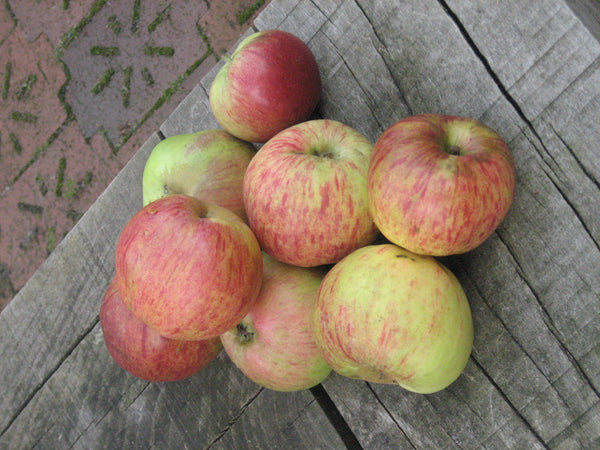
Fred’s Mac produces classic McIntosh-type fruit with outstanding eating quality. The flavor is vivid and aromatic, with a brightness that distinguishes it from many modern McIntosh-labeled trees. Like most McIntosh apples, it does exhibit pre-harvest drop. This is not a drawback for us, as the flavor more than compensates, and we typically make multiple harvest passes to manage drop and capture fruit at peak quality. It is an excellent apple for fresh eating and aromatic cider blends.
Growth Habit & Spacing (Dolgo / Spy 227 Rootstock)
These trees are grafted onto full-size Dolgo / Spy 227 rootstock and should be treated as standard apple trees. At maturity, they require spacing of approximately 18–20 feet between trees. With intensive pruning and canopy management, closer spacing may be possible, while wider spacing can improve airflow and light penetration in humid or disease-prone sites.
Cold Hardiness
Fred’s Mac is expected to be as cold hardy as McIntosh generally. We list McIntosh as hardy to −40°F. While McIntosh may tolerate temperatures slightly colder than this under ideal conditions, it does not appear to reliably survive beyond −45°F. This aligns with observations from growers such as Ed Schultz in Gallatin Gateway, where temperatures of −47°F have resulted in failure. Fred’s Mac should be considered a solid Zone 3 apple, but not more cold hardy than that.
Genetic & Historical Significance
With a mother tree over a century old, consistent heavy bearing, and exceptional fruit quality, Fred’s Mac represents a locally adapted McIntosh lineage worth preserving. In a landscape where many McIntosh trees no longer live up to the name, this selection demonstrates just how good McIntosh can be when the genetics are right.
Questions we get about Fred's Mac Apple
Does Fred's Mac Apple need a pollenizer?
Yes. Fred's Mac Apple needs pollen from a different variety that blooms at about the same time. Plant a different apple or crabapple variety that blooms in groups 2 to 4. It has good pollen, so it can also pollenize other apples blooming at the same time. Partners we carry include Hewe's Virginia Crabapple, Hyslop Crabapple, Wickson Crabapple.
How cold hardy is Fred's Mac Apple?
We rate Fred's Mac Apple hardy to zone 3, which means winters down to about -40°F. Our ratings come from real winters at our two Montana sites and from trusted growers across the North, not from a catalog average.
How many chill hours does Fred's Mac Apple need?
About 850 hours of winter chill (we count hours at or below 45°F), likely somewhere between 800 and 1,000. It's a sport of McIntosh, so it needs the same chill. Montana winters cover that easily. Our chill hours guide has a calculator for your winters, and our research page lists the sources.
How big does Fred's Mac Apple get?
We graft Fred's Mac Apple onto Spy 227 (full size). Some sizes are on Dolgo. Plant 18 to 20 ft apart.
What is Fred's Mac Apple good for?
Our top use scores for Fred's Mac Apple are fresh eating (8/10), sauce and butter (8/10), juice and sweet cider (7/10), canning and freezing (7/10). Anything scored 8 or higher makes our Best Of lists.
Is Fred's Mac Apple disease resistant?
For some diseases, yes. It's highly resistant to cedar-apple rust. It's very prone to apple scab, and prone to fire blight and powdery mildew. Our apple disease resistance chart has every rating, the notes and the sources.
Will deer eat Fred's Mac Apple?
Yes, deer love it. Protect Fred's Mac Apple with a fence or a cage, especially while it is young.
What arrives, and when does Fred's Mac Apple ship?
A dormant bare-root plant, roots wrapped in moist sawdust with a vapor barrier, shipped or picked up in Missoula in spring. Sizes offered: 3-5 ft or 4-6 ft or 5-7 ft. We guarantee our plants bud out. Stone fruits can be slow, so if one still has not budded out by August 15, write to us and we credit you for the following spring.
More Plants Like This
By Zone
Pollination, Bloom & Ripening
Disease Resistance
Pollination partners
Trees that will pollenize Fred's Mac Apple
Fred's Mac Apple needs a different apple or crabapple nearby to set fruit. Every tree below blooms at the same time and has pollen that works for it. Plant partners within about 100 feet.
Bloom group
3 of 7 (Early-Mid)
Pollination
Needs a partner
Pollen
Good pollenizer
-
 Hewe's Virginia Crabapple(Spring 2027)
From $74.99
-
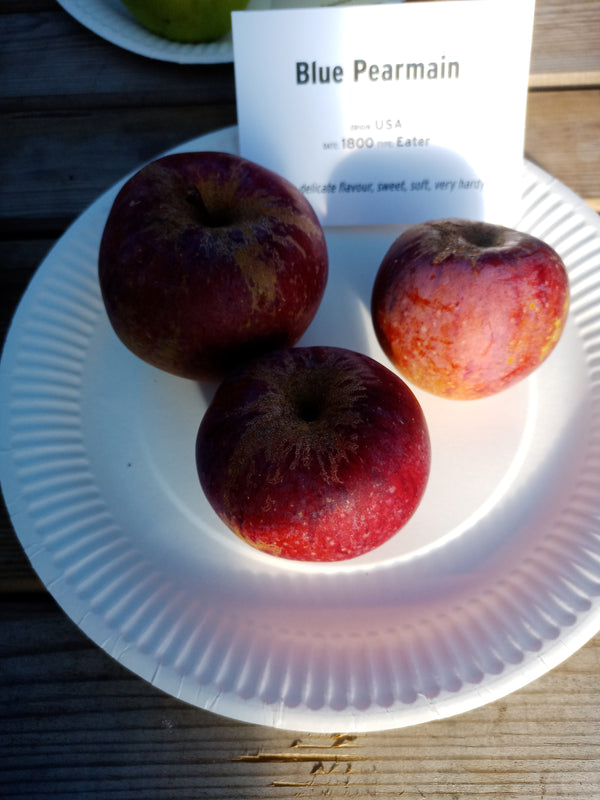 Blue Pearmain Apple(Spring 2027)
From $39.99
-
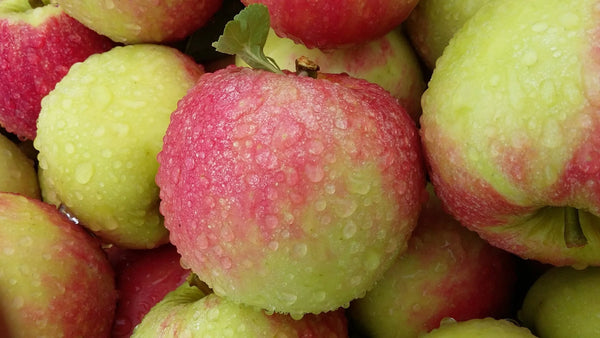 Carroll Apple(Spring 2027)
From $49.99
-
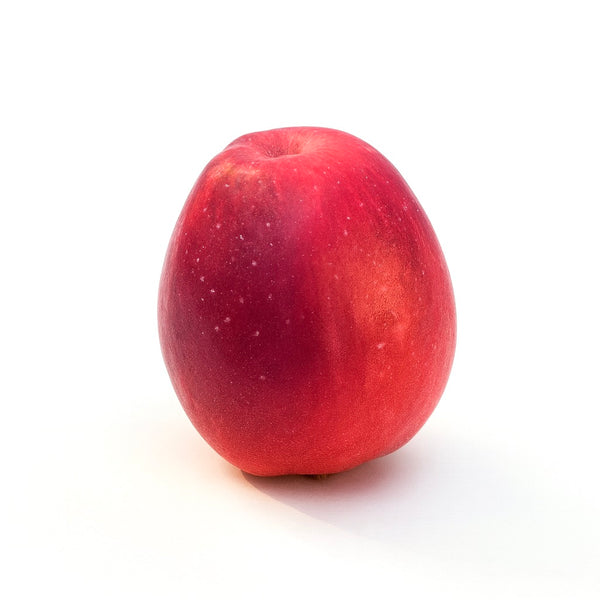 Centennial Applecrab(Spring 2027)
From $59.99
-
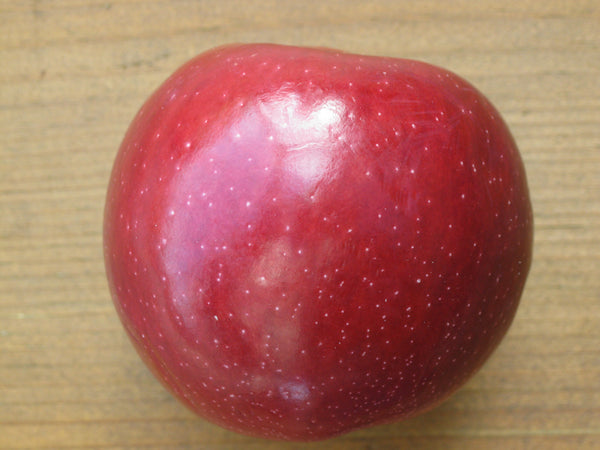 Empire Apple(Spring 2027)
From $34.99
-
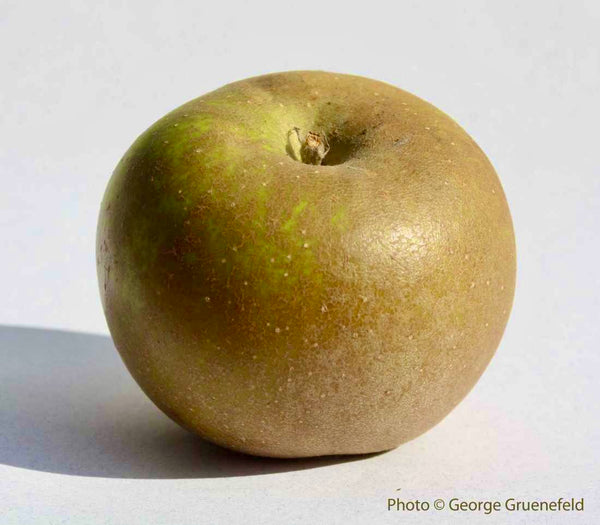 Golden Russet Apple(Spring 2027)
From $44.99
-
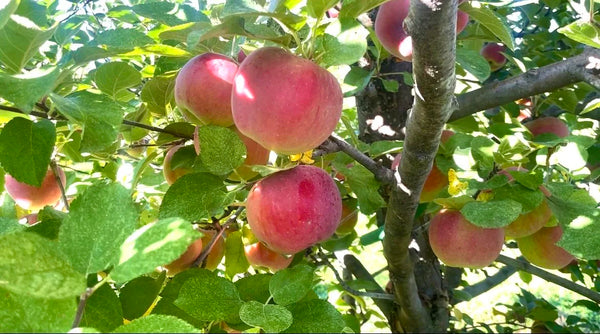 Liberty Apple(Spring 2027)
From $49.99
-
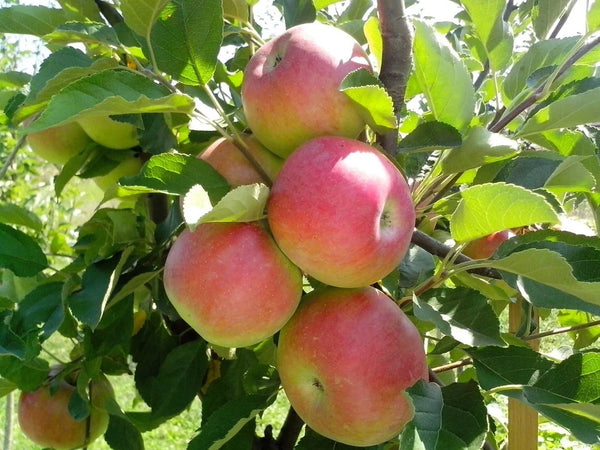 Parkland Apple(Spring 2027)
$74.99
-
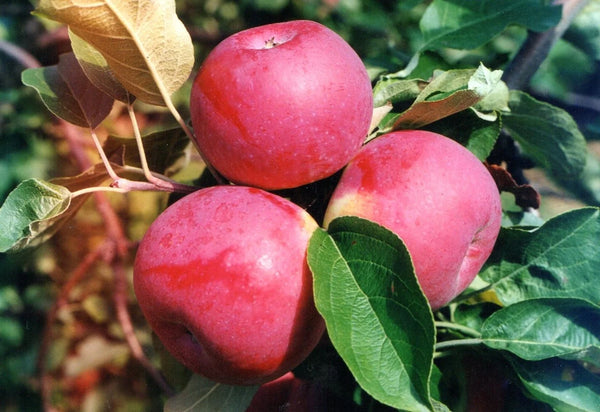 Paula Red Apple(Spring 2027)
From $59.99