
Skip to product information


MN 1628 Apple (Spring 2027)
$89.99
Reliable shipping
Flexible returns
Pollination
Needs a partner
Bloom group
5 of 7 (Mid-Late)
Ripening
Will it finish before your first hard freeze?
Check it on the Ripening Map (opens in a new tab)
Disease resistanceNot tested yet
- ? Apple scab : Unknown, no published data yet
- ? Cedar-apple rust : Unknown, no published data yet
- ? Fire blight : Unknown, no published data yet
- ? Powdery mildew : Unknown, no published data yet
Scored 1 to 5. Higher resists better, and ? means no published data yet.
See it on our apple disease chart (opens in a new tab)At a glance: MN 1628 Apple is an apple tree rated hardy to zone 3 from other growers' reports (winters to -40°F), not self-fertile, so it needs a different variety nearby as a pollenizer (bloom group 5 of 7, mid-late for an apple or crabapple), and it ripens about Sep 27 to Oct 9 in Missoula (our Missoula estimate).
| Hardy to | Zone 3 to 7. A bare number means the whole of zone 3, colder half included (winters to -40°F). Find your zone with our cold hardiness calculator. |
|---|---|
| Chill hours | About 1,050 hours (800 to 1,300). Our estimate. No published figure exists for this variety yet. Montana winters give it plenty. In milder climates, make sure your winters average at least this much. Check your chill hours or see our sources. |
| Pollination | Needs Cross-Pollination. Bloom group 5 of 7 (mid-late), late spring here. Not self-fertile. Plant a different apple or crabapple variety nearby that blooms at about the same time (bloom groups 4 to 6 on our chart). Good partners we carry: Black Oxford Apple, Honeycrisp Apple, Northern Spy Apple, Oriole Apple and 70 more. Bloom group is our estimate from the variety's origin and relatives. Apple Pollination Map. |
| Ripens | About Sep 27 to Oct 9 in Missoula (a Missoula estimate from published sources). Real years swing about a week either way. See the date for your town. |
| Rootstock and size | Bud 118: semi-dwarf in our dry Montana soils, semi-standard on paper, about 12 to 18 ft tall unpruned. Stands on its own, few suckers. Our rootstock guide. |
| Good for | Winter storage (9/10), fresh eating (8/10). Scores are our 1 to 10 ratings, but we're still new to this one, so they lean on published descriptions and other growers rather than our own harvests. 8 and up makes our Best Of lists. |
| Deer | A deer favorite. Fence it or cage it. |
| Where it came from | Read about the University of Minnesota breeding program and what else came out of it. |
| What you get | Bare root, 5-7 ft. Shipped or picked up in Missoula in spring, roots wrapped in moist sawdust. Guaranteed to bud out. |
Overview
MN 1628 is a new variety for us. We started growing it in spring 2025. You might be wondering about the name. This apple comes from the University of Minnesota’s apple breeding program, where all experimental seedlings are given numerical designations until they are officially named (if ever).
For example, Honeycrisp was originally known as MN 1711, and Frostbite, developed in 1920, was labeled MN 447 until it was formally released in 2008. Interestingly, MN 1628 is a sibling of Keepsake, which is a parent of Honeycrisp. In turn, Frostbite is a parent of Keepsake, placing MN 1628 within the same distinguished genetic lineage.
Description and Flavor Profile
According to Bob Purvis, who provided the scionwood we used for grafting, MN 1628 is:
“Quite similar in many respects to Keepsake, ripens slightly earlier (early October in Western Montana), tree more vigorous, spreading growth habit. Red stripes over yellow-ocher background, with yellowish flesh, complex sweet flavor, dense flesh, keeps till late spring.”
Bob also shared that MN 1628 became the favorite apple of his late wife, Connie, even surpassing Fuji.
Cold Hardiness
We estimate the cold hardiness of MN 1628 to fall between -40°F and -45°F, placing it slightly hardier than McIntosh, but not as hardy as ultra-cold varieties like Prairie Sensation, Carroll, or the apple crabs.
This makes MN 1628 a solid choice for many Zone 3 to 4 growers, but not recommended for locations with sub -45°F winter lows.
Rootstock and Tree Availability
For Spring 2027, we have grafted MN 1628 onto Bud 118 semi-dwarf rootstock. In our experience, Bud 118 is significantly hardier, even than Antonovka, as Bud 118 has seen near -50F without showing any rootstock damage (although there was snow on the ground when these numbers were obtained at Ed Schultz' farm in Gallatin Gateway, MT).
Note: MN 1628 ripens too late for growers with a very short growing season, such as those near Anchorage, AK.
Questions we get about MN 1628 Apple
Does MN 1628 Apple need a pollenizer?
Yes. MN 1628 Apple needs pollen from a different variety that blooms at about the same time. Plant a different apple or crabapple variety nearby that blooms at about the same time (bloom groups 4 to 6 on our chart). Partners we carry include Black Oxford Apple, Honeycrisp Apple, Northern Spy Apple.
How cold hardy is MN 1628 Apple?
We list MN 1628 Apple at zone 3, which means winters down to about -40°F. We're still new to it, so that rating comes from Bob Purvis and other growers' reports rather than our own winters. We'll adjust it as our own trees go through more Montana winters.
How many chill hours does MN 1628 Apple need?
About 1,050 hours of winter chill (we count hours at or below 45°F), likely somewhere between 800 and 1,300. Nobody has published a chill figure for it, so that's our estimate from its relatives and origin. Our chill hours guide has a calculator for your winters, and our research page lists the sources.
When does MN 1628 Apple ripen?
About Sep 27 to Oct 9 in Missoula, Montana (an estimate built from published sources and our climate). Warmer places run earlier and cooler places later; our ripening map converts the date to your town.
How big does MN 1628 Apple get?
We graft MN 1628 Apple onto Bud 118 (semi-dwarf in our dry Montana soils, semi-standard on paper), which makes a tree roughly 12 to 18 ft tall if you never prune it.
What is MN 1628 Apple good for?
Our top use scores for MN 1628 Apple are winter storage (9/10), fresh eating (8/10). Since we're still new to it, those scores lean on Bob Purvis's notes and other growers rather than our own harvests. Anything scored 8 or higher makes our Best Of lists.
Is MN 1628 Apple disease resistant?
We don't know yet. Nobody has published solid disease data on MN 1628 Apple for apple scab, cedar-apple rust, fire blight and powdery mildew, so we list it as unknown instead of guessing. That doesn't mean it's weak. Plenty of the plants we grow have never been through formal disease trials. Our apple disease resistance chart has every rating, the notes and the sources.
Will deer eat MN 1628 Apple?
Yes, deer love it. Protect MN 1628 Apple with a fence or a cage, especially while it is young.
More Plants Like This
By Zone
Pollination, Bloom & Ripening
Pollination partners
Trees that will pollenize MN 1628 Apple
MN 1628 Apple needs a different apple or crabapple nearby to set fruit. Every tree below blooms at the same time and has pollen that works for it. Plant partners within about 100 feet.
Bloom group
5 of 7 (Mid-Late)
Pollination
Needs a partner
Pollen
Not tested yet
-
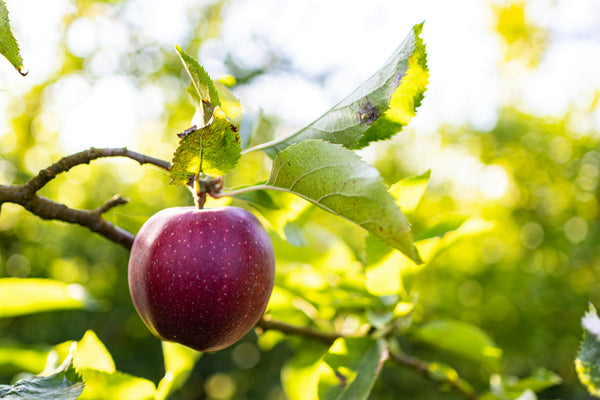 Black Oxford Apple(Spring 2027)
From $44.99
-
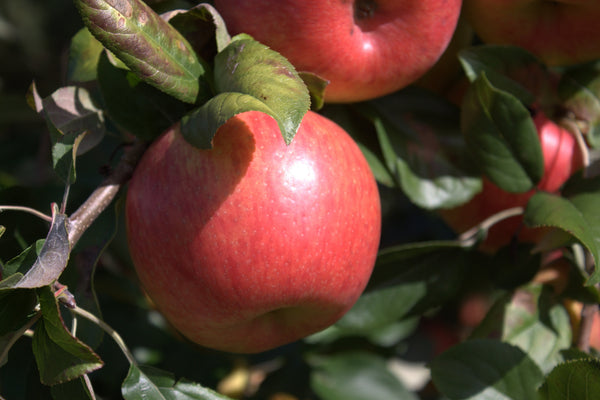 Honeycrisp Apple(Spring 2027)
From $59.99
-
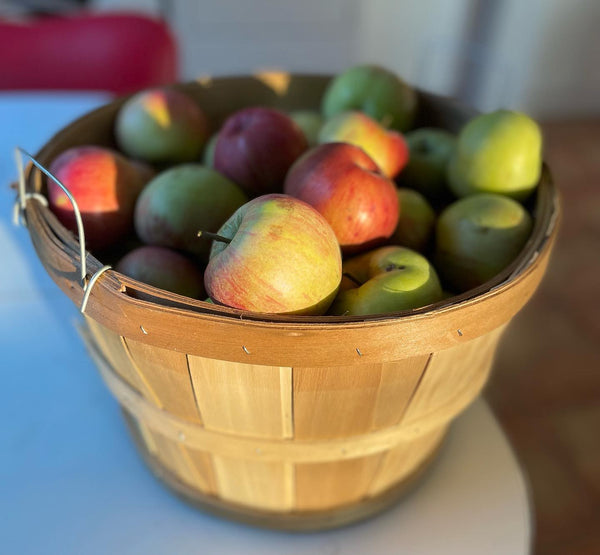 Northern Spy Apple(Spring 2027)
From $39.99
-
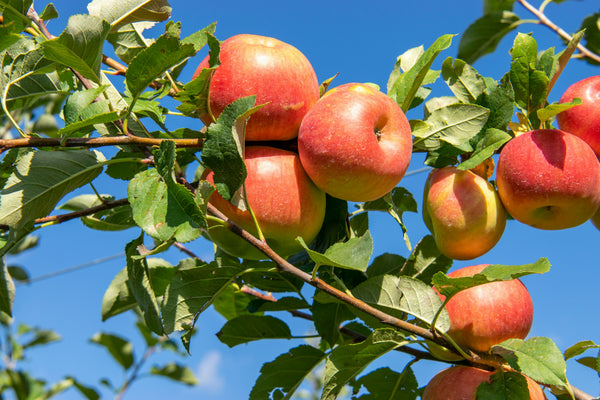 Oriole Apple(Spring 2027)
From $49.99
-
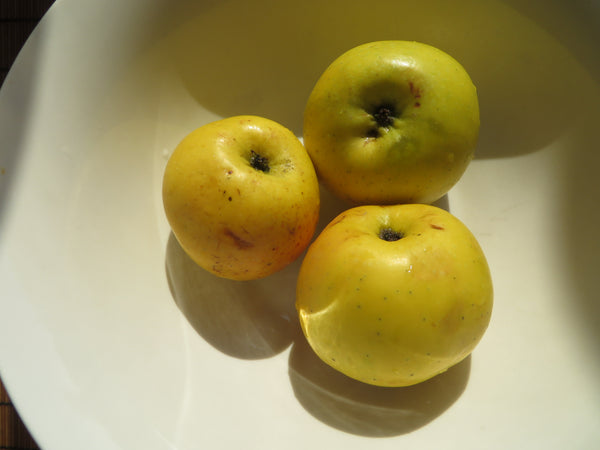 Reinette Simirenko Apple(Spring 2027)
From $44.99
-
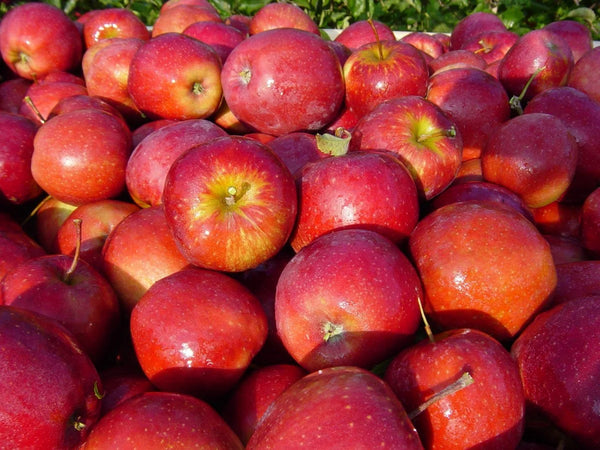 Spencer Apple(Spring 2027)
From $49.99
-
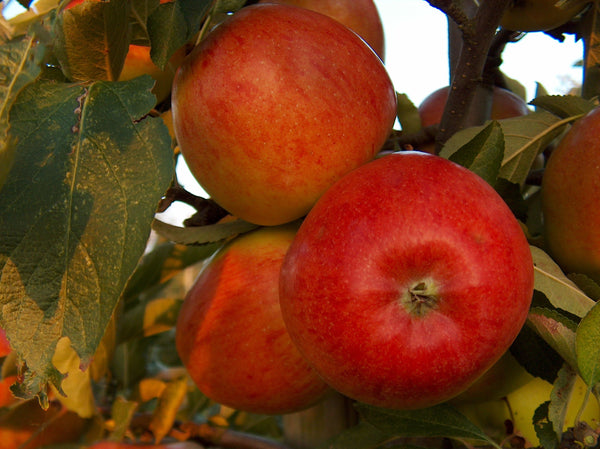 Sweet Sixteen Apple(Spring 2027)
From $44.99
-
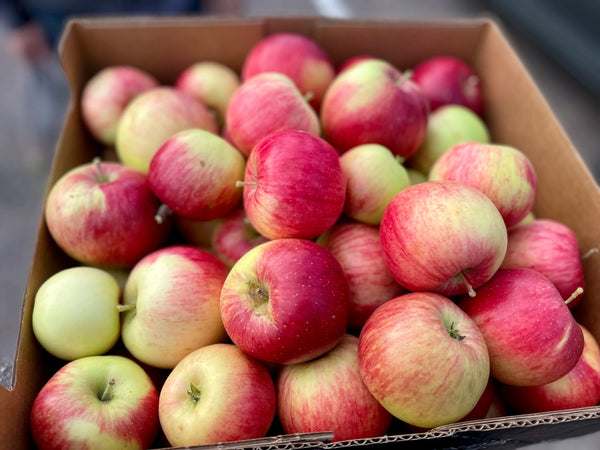 Wealthy Apple(Spring 2027)
From $59.99
-
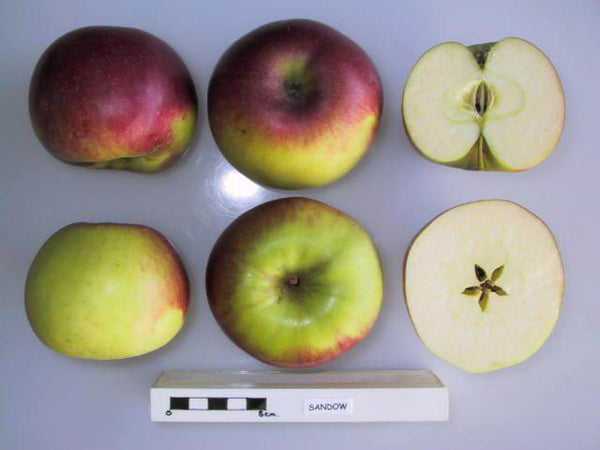 Sandow Apple(Spring 2027)
From $44.99
See every pairing on the Apple Pollination Map
MN 1628 Apple's bloom group is our best estimate. Watch it bloom and tell us what you see.