Skip to product information


Parkland Apple (Spring 2027)
$74.99
Reliable shipping
Flexible returns
Pollination
Needs a partner
Bloom group
3 of 7 (Early-Mid)
Ripening
Will it finish before your first hard freeze?
Check it on the Ripening Map (opens in a new tab)
Disease resistanceNo strong resistance
- ? Apple scab : Unknown, no published data yet
- ? Cedar-apple rust : Unknown, no published data yet
- 2 Fire blight : Susceptible, 2 of 5
- ? Powdery mildew : Unknown, no published data yet
Scored 1 to 5. Higher resists better, and ? means no published data yet.
See it on our apple disease chart (opens in a new tab)At a glance: Parkland Apple is an apple tree rated hardy to zone 1 in our ratings (winters to -60°F), not self-fertile, so it needs a different variety nearby as a pollenizer (bloom group 3 of 7, early-mid for an apple or crabapple), and it ripens about Aug 17 to Aug 30 in Missoula (our Missoula estimate).
| Hardy to | Zone 1 to 7. A bare number means the whole of zone 1, colder half included (winters to -60°F). Find your zone with our cold hardiness calculator. |
|---|---|
| Chill hours | About 1,000 hours (850 to 1,150). Our estimate. No published figure exists for this variety yet. Montana winters give it plenty. In milder climates, make sure your winters average at least this much. Check your chill hours or see our sources. |
| Pollination | Needs Cross-Pollination. Bloom group 3 of 7 (early-mid), late spring here. Plant a different apple or crabapple variety that blooms in groups 2 to 4. It has good pollen, so it can also pollenize other apples blooming at the same time. Good partners we carry: Hewe's Virginia Crabapple, Hyslop Crabapple, Wickson Crabapple, Blue Pearmain Apple and 100 more. Apple Pollination Map. |
| Ripens | About Aug 17 to Aug 30 in Missoula (a Missoula estimate from published sources). Real years swing about a week either way. See the date for your town. |
| Rootstock and size | Dolgo: full size, about 20 to 30 ft tall unpruned. Very hardy and well anchored. Our rootstock guide. |
| Good for | Fresh eating (7/10), juice and sweet cider (7/10), sauce and butter (6/10), cooking and roasting (6/10). Scores are our own 1 to 10 ratings; 8 and up makes our Best Of lists. |
| Deer | A deer favorite. Fence it or cage it. |
| Where it came from | Read about the Canadian prairie breeding stations and what else came out of it. |
| What you get | Bare root, 4-6 ft. Shipped or picked up in Missoula in spring, roots wrapped in moist sawdust. Guaranteed to bud out. |
Parkland is a cold-hardy apple variety bred from a cross between Rescue applecrab and Red Melba (a red sport of Melba, itself a seedling of McIntosh). Technically, Parkland is an apple × applecrab hybrid—with roughly 75% apple genetics and 25% crabapple.
A Perfect Fit for Cold Climates and Short Seasons
One of the earliest ripening apples we offer, Parkland is ideally suited for regions with very short growing seasons and bitterly cold winters—making it a fantastic choice for Montana, Alaska, and other northern climates. It's even hardy enough to thrive in Mariah’s Pass.
-
Flavor: Fairly acidic, but still quite good for fresh eating right off the tree.
-
Hardiness: Survives down to -60°F or more, one of the most cold-hardy apples we sell.
Our Spring 2027 Parkland trees are 1 year older (in terms of the root system) and were bud grafted onto Dolgo Full Size rootstock, which is hardy to likely down to -60F.
Questions we get about Parkland Apple
Does Parkland Apple need a pollenizer?
Yes. Parkland Apple needs pollen from a different variety that blooms at about the same time. Plant a different apple or crabapple variety that blooms in groups 2 to 4. It has good pollen, so it can also pollenize other apples blooming at the same time. Partners we carry include Hewe's Virginia Crabapple, Hyslop Crabapple, Wickson Crabapple.
How cold hardy is Parkland Apple?
We rate Parkland Apple hardy to zone 1, which means winters down to about -60°F. Our ratings come from real winters at our two Montana sites and from trusted growers across the North, not from a catalog average.
How many chill hours does Parkland Apple need?
About 1,000 hours of winter chill (we count hours at or below 45°F), likely somewhere between 850 and 1,150. Nobody has published a chill figure for it, so that's our estimate from its relatives and origin. Our chill hours guide has a calculator for your winters, and our research page lists the sources.
When does Parkland Apple ripen?
About Aug 17 to Aug 30 in Missoula, Montana (an estimate built from published sources and our climate). Warmer places run earlier and cooler places later; our ripening map converts the date to your town.
How big does Parkland Apple get?
We graft Parkland Apple onto Dolgo (full size), which makes a tree roughly 20 to 30 ft tall if you never prune it.
What is Parkland Apple good for?
Our top use scores for Parkland Apple are fresh eating (7/10), juice and sweet cider (7/10), sauce and butter (6/10), cooking and roasting (6/10).
Is Parkland Apple disease resistant?
No. It's prone to fire blight. Nobody has published solid data on it for apple scab, cedar-apple rust and powdery mildew yet, so we list those as unknown. Our apple disease resistance chart has every rating, the notes and the sources.
Will deer eat Parkland Apple?
Yes, deer love it. Protect Parkland Apple with a fence or a cage, especially while it is young.
More Plants Like This
By Zone
Pollination, Bloom & Ripening
Pollination partners
Trees that will pollenize Parkland Apple
Parkland Apple needs a different apple or crabapple nearby to set fruit. Every tree below blooms at the same time and has pollen that works for it. Plant partners within about 100 feet.
Bloom group
3 of 7 (Early-Mid)
Pollination
Needs a partner
Pollen
Good pollenizer
-
 Hewe's Virginia Crabapple(Spring 2027)
From $74.99
-
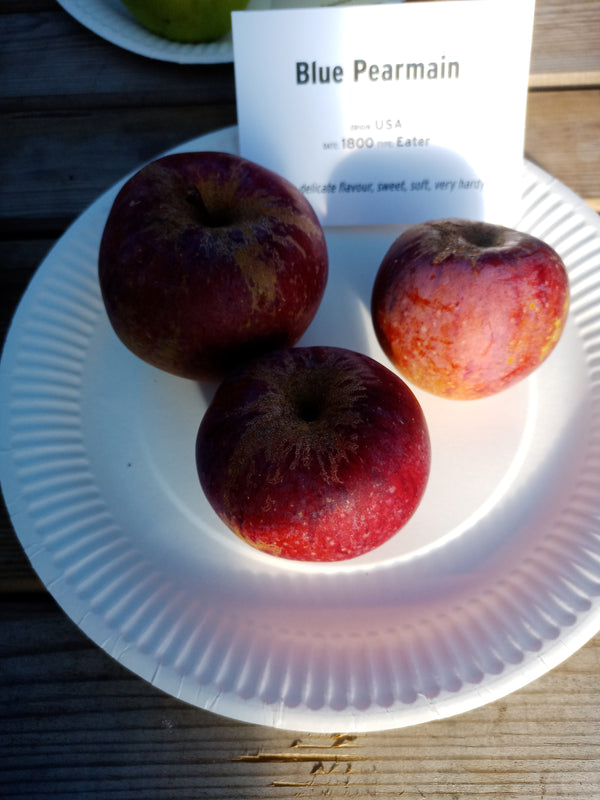 Blue Pearmain Apple(Spring 2027)
From $39.99
-
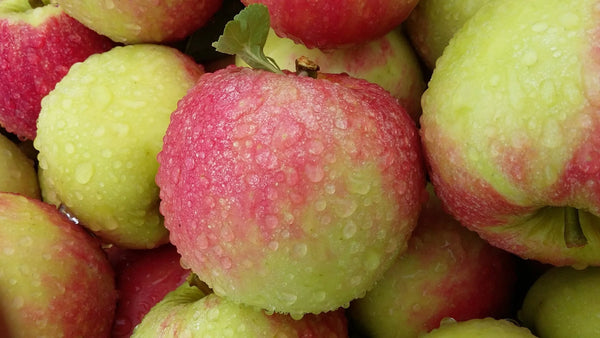 Carroll Apple(Spring 2027)
From $49.99
-
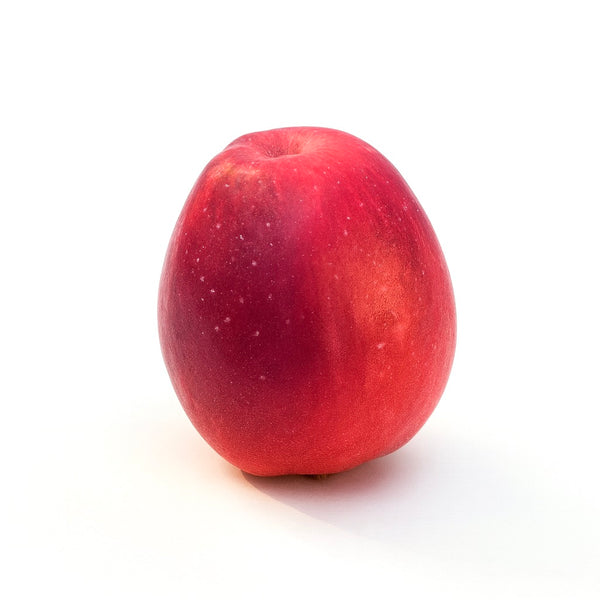 Centennial Applecrab(Spring 2027)
From $59.99
-
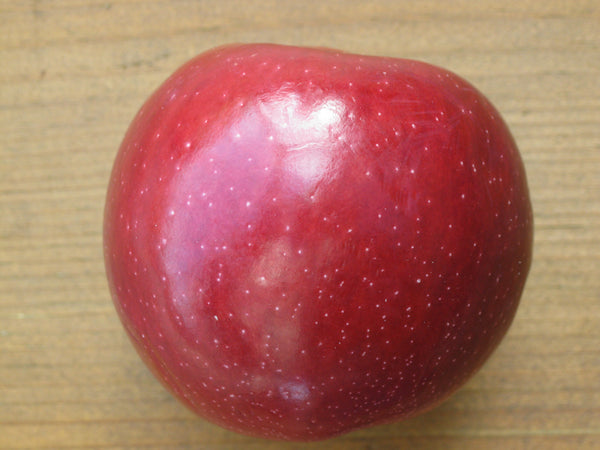 Empire Apple(Spring 2027)
From $34.99
-
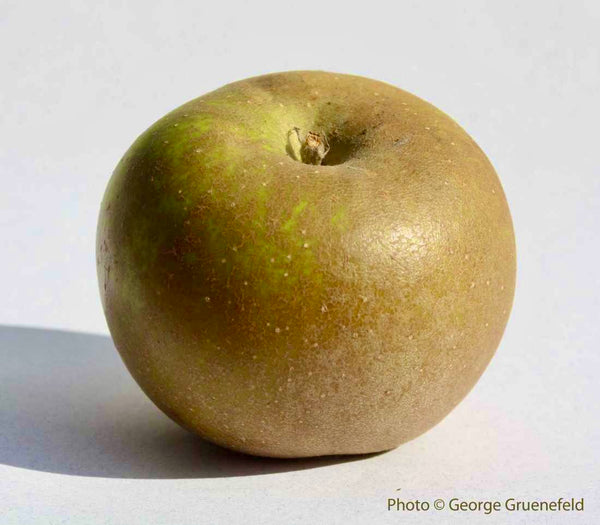 Golden Russet Apple(Spring 2027)
From $44.99
-
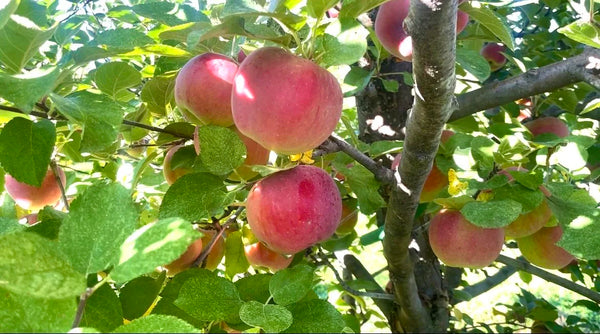 Liberty Apple(Spring 2027)
From $49.99
-
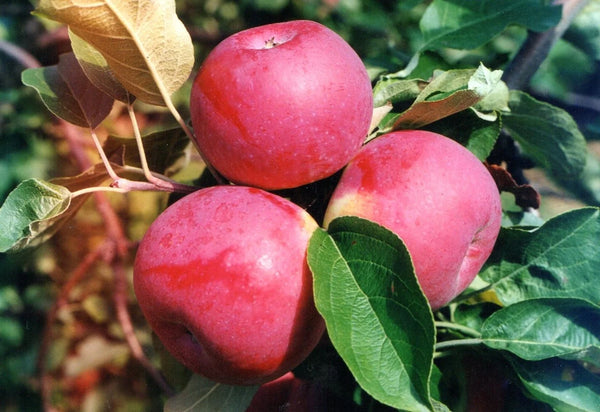 Paula Red Apple(Spring 2027)
From $59.99
-
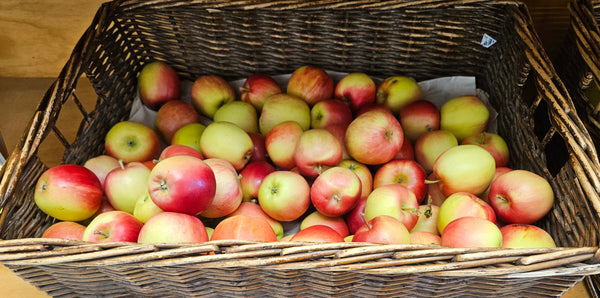 Sunrise(Spring 2027)
From $44.99