
Skip to product information


Prairie Red Plum (Bundle of 2) | Spring 2027
$74.99
Reliable shipping
Flexible returns
Pollination
Needs a partner
Bloom group
4 of 7 (Mid)
Ripening
Will it finish before your first hard freeze?
Check it on the Ripening Map (opens in a new tab)
Disease resistanceNot tested yet
- ? Bacterial canker : Unknown, no published data yet
- ? Bacterial spot : Unknown, no published data yet
- ? Black knot : Unknown, no published data yet
- ? Brown rot : Unknown, no published data yet
- ? Cytospora canker : Unknown, no published data yet
- ? Plum pocket : Unknown, no published data yet
Scored 1 to 5. Higher resists better, and ? means no published data yet.
See it on our plum disease chart (opens in a new tab)At a glance: Prairie Red Plum is a plum tree rated hardy to zone 2 in our ratings (winters to -50°F), and not self-fertile, so it needs a different variety nearby as a pollenizer (bloom group 4 of 7, mid for a hybrid or Japanese plum).
| Hardy to | Zone 2 to 8. A bare number means the whole of zone 2, colder half included (winters to -50°F). Find your zone with our cold hardiness calculator. |
|---|---|
| Chill hours | About 800 hours (600 to 1,200). Our estimate. No published figure exists for this variety yet. Montana winters give it plenty. In milder climates, make sure your winters average at least this much. Check your chill hours or see our sources. |
| Pollination | Needs Cross-Pollination. Bloom group 4 of 7 (mid), early spring here. Prairie Red plants grown from the same original plant cannot pollenize each other, so add a Native American plum seedling or a different hybrid such as Toka. Good partners we carry: Native American Plum (Bundle of 3), Toka Plum, Kaga Plum, Kahinta Plum and 15 more. Bloom group is our estimate from the variety's origin and relatives. Plum Pollination Map. |
| Good for | Jams and jellies (8/10), windbreaks and hedgerows (8/10), pollenizing other trees (7/10), feeding wildlife (6/10), fresh eating (6/10). Scores are our own 1 to 10 ratings; 8 and up makes our Best Of lists. |
| Deer | A deer favorite. Fence it or cage it. |
| What you get | Bare root, 3-5 ft. Shipped or picked up in Missoula in spring, roots wrapped in moist sawdust. Guaranteed to bud out. |
Overview
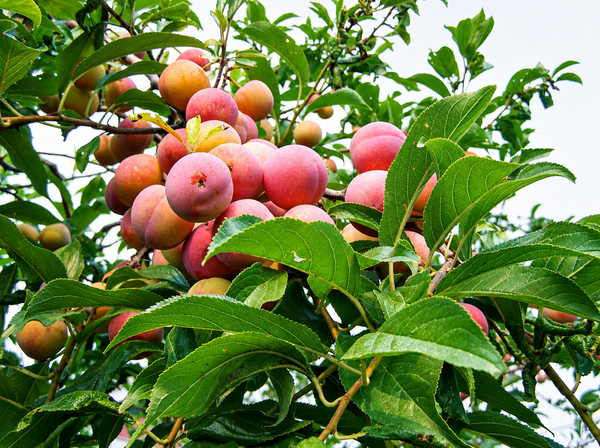
Prairie Red plum is a hybrid, very cold-hardy, thicket-forming, small tree that reaches up to 15 feet in height. White flowers appear in early May, followed by larger, edible reddish-yellow to red fruit in late summer and fall.
Fruit Characteristics
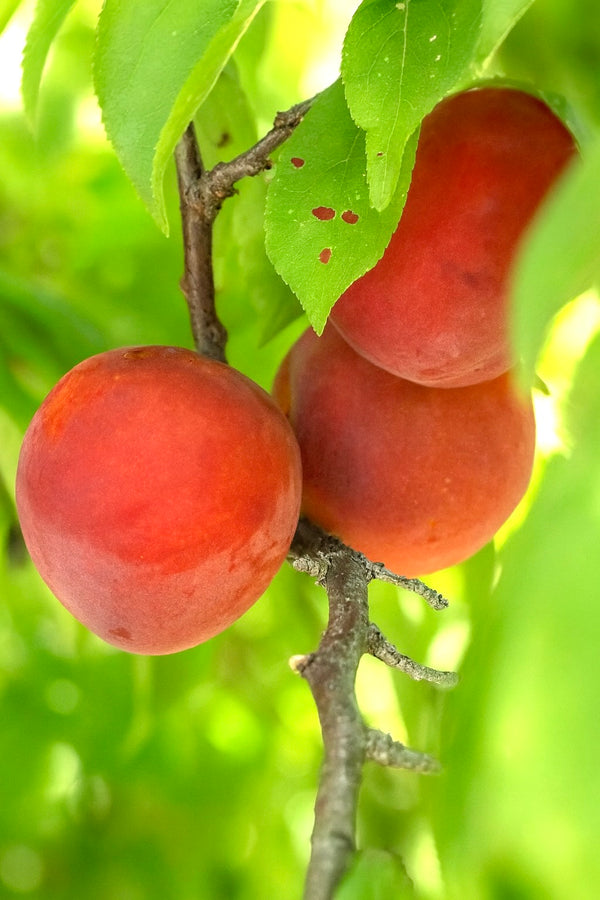
The plums are sweeter when left on the tree for longer and are fairly large in size (see photo).
Cold Hardiness and Uses
Prairie Red has survived cold temperatures in Montana and is widely planted on the prairies (in Canada, the Dakotas, and Eastern Montana) as a shelterbelt for wind. It serves the dual purpose of providing both wind protection and a fruit yield. We have also used Prairie Red as rootstock for grafting Asian-American hybrid plums.
Wildlife Benefits
This tree provides good food and habitat for wildlife.
Cold Tolerance
Prairie Red is hardy to Zone 2 (-50°F or more). These trees are 3–5 ft. tall.
Questions we get about Prairie Red Plum
Does Prairie Red Plum need a pollenizer?
Yes. Prairie Red Plum needs pollen from a different variety that blooms at about the same time. Prairie Red plants grown from the same original plant cannot pollenize each other, so add a Native American plum seedling or a different hybrid such as Toka. Partners we carry include Native American Plum (Bundle of 3), Toka Plum, Kaga Plum.
How cold hardy is Prairie Red Plum?
We rate Prairie Red Plum hardy to zone 2, which means winters down to about -50°F. Our ratings come from real winters at our two Montana sites and from trusted growers across the North, not from a catalog average.
How many chill hours does Prairie Red Plum need?
About 800 hours of winter chill (we count hours at or below 45°F), likely somewhere between 600 and 1,200. Nobody has published a chill figure for it, so that's our estimate from its relatives and origin. Our chill hours guide has a calculator for your winters, and our research page lists the sources.
What is Prairie Red Plum good for?
Our top use scores for Prairie Red Plum are jams and jellies (8/10), windbreaks and hedgerows (8/10), pollenizing other trees (7/10), feeding wildlife (6/10). Anything scored 8 or higher makes our Best Of lists.
Is Prairie Red Plum disease resistant?
We don't know yet. Nobody has published solid disease data on Prairie Red Plum for bacterial canker, bacterial spot, black knot, brown rot, cytospora canker and plum pocket, so we list it as unknown instead of guessing. That doesn't mean it's weak. Plenty of the plants we grow have never been through formal disease trials. Our plum disease resistance chart has every rating, the notes and the sources.
Will deer eat Prairie Red Plum?
Yes, deer love it. Protect Prairie Red Plum with a fence or a cage, especially while it is young.
What arrives, and when does Prairie Red Plum ship?
A dormant bare-root plant, roots wrapped in moist sawdust with a vapor barrier, shipped or picked up in Missoula in spring. Sizes offered: 3-5 ft. We guarantee our plants bud out. Stone fruits can be slow, so if one still has not budded out by August 15, write to us and we credit you for the following spring.
More Plants Like This
By Zone
Pollination, Bloom & Ripening
Pollination partners
Trees that will pollenize Prairie Red Plum
Prairie Red Plum needs a different hybrid or Japanese plum nearby to set fruit. Every tree below blooms at the same time and has pollen that works for it. Plant partners within about 100 feet.
Bloom group
4 of 7 (Mid)
Pollination
Needs a partner
Pollen
Good pollenizer
-
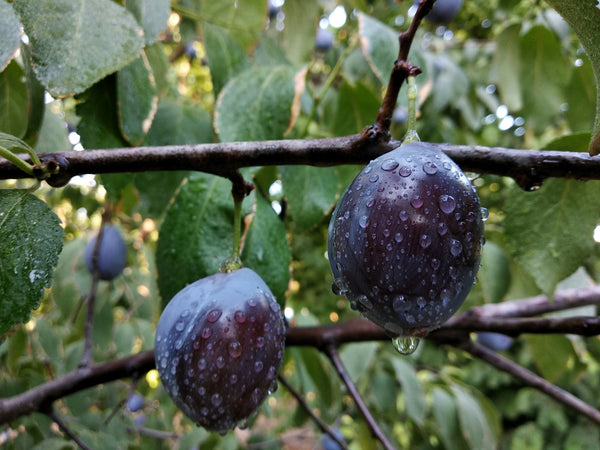
 Toka Plum(Spring 2027)
From $49.99
-
 Kaga Plum(Spring 2027)
From $54.99
-
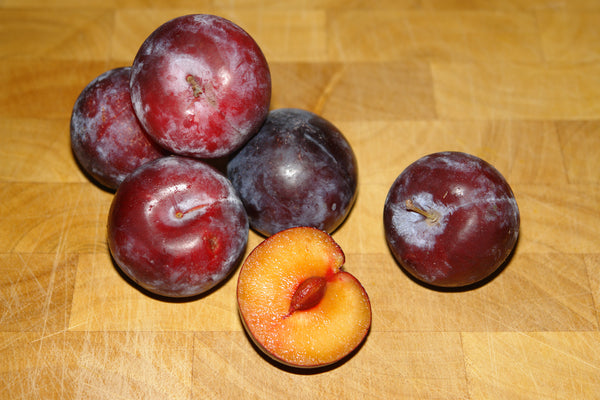 Kahinta Plum(Spring 2027)
$79.99
-
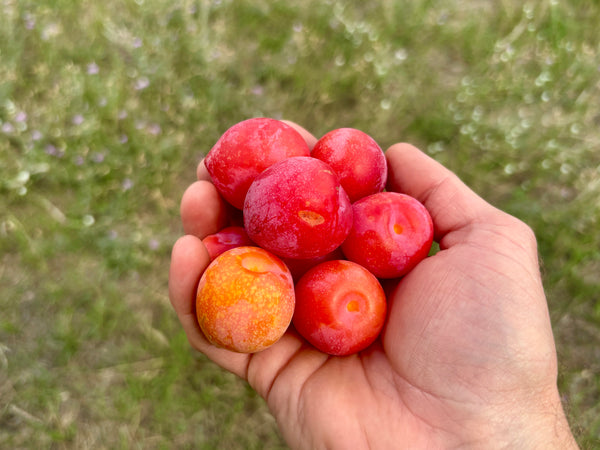 Superior Plum(Spring 2027)
From $49.99
-
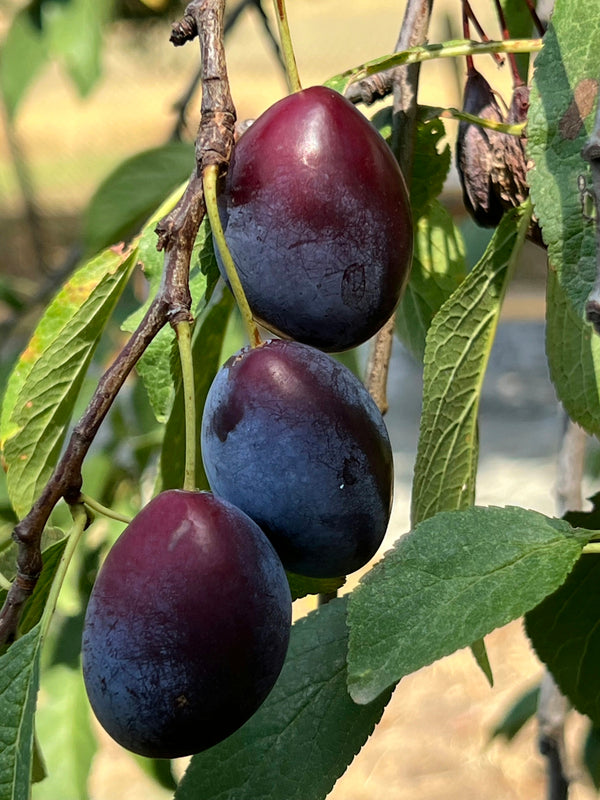 Black Ice Plum(Spring 2027)
From $44.99
-
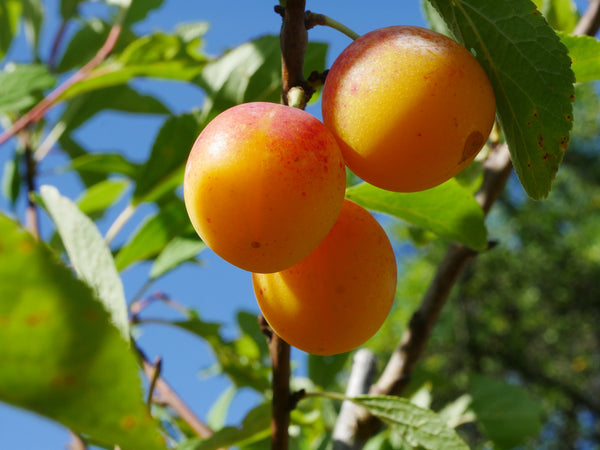 Brookgold Plum(Spring 2027)
From $59.99
-
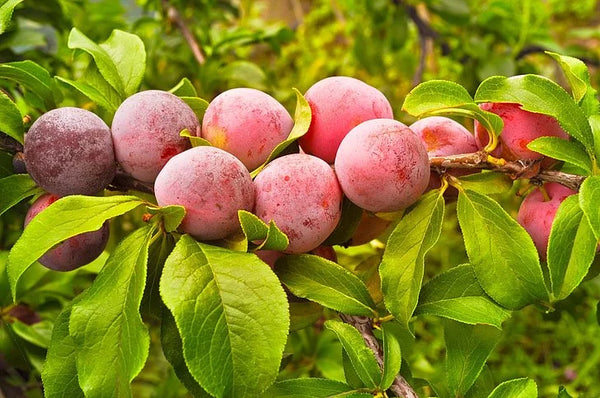 Pipestone Plum(Spring 2027)
From $59.99
-
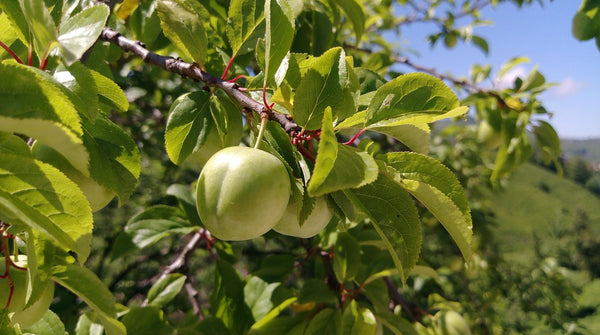 Ptitsin #5 Plum(Spring 2027)
From $54.99
-
 Underwood Plum(Spring 2027)
From $64.99
-
 Gracious Plum(Spring 2027)
From $59.99
-
 Kuban Delight Plum(Spring 2027)
$109.99
See every pairing on the Plum Pollination Map
Prairie Red Plum's bloom group is our best estimate. Watch it bloom and tell us what you see.