Skip to product information


Wealthy Apple (Spring 2027)
$59.99
Reliable shipping
Flexible returns
Pollination
Needs a partner
Bloom group
5 of 7 (Mid-Late)
Ripening
Will it finish before your first hard freeze?
Check it on the Ripening Map (opens in a new tab)
Disease resistanceNo strong resistance
- 2 Apple scab : Susceptible, 2 of 5
- 1 Cedar-apple rust : Highly susceptible, 1 of 5
- 2 Fire blight : Susceptible, 2 of 5
- 2 Powdery mildew : Susceptible, 2 of 5
Scored 1 to 5. Higher resists better, and ? means no published data yet.
See it on our apple disease chart (opens in a new tab)At a glance: Wealthy Apple is an apple tree rated hardy to zone 2 in our ratings (winters to -50°F), not self-fertile, so it needs a different variety nearby as a pollenizer (bloom group 5 of 7, mid-late for an apple or crabapple), and it ripens about Sep 3 to Sep 17 in Missoula (picked and dated at our place in Missoula).
| Hardy to | Zone 2 to 8. A bare number means the whole of zone 2, colder half included (winters to -50°F). Find your zone with our cold hardiness calculator. |
|---|---|
| Chill hours | About 1,050 hours (800 to 1,200). Well documented. Independent sources agree. Montana winters give it plenty. In milder climates, make sure your winters average at least this much. Check your chill hours or see our sources. |
| Pollination | Needs Cross-Pollination. Bloom group 5 of 7 (mid-late), late spring here. Plant a different apple or crabapple variety that blooms in groups 4 to 6. It has good pollen, so it can also pollenize other apples blooming at the same time. Good partners we carry: Black Oxford Apple, Honeycrisp Apple, Northern Spy Apple, Oriole Apple and 69 more. Apple Pollination Map. |
| Ripens | About Sep 3 to Sep 17 in Missoula (picked and dated off our own trees). Real years swing about a week either way. See the date for your town. |
| Rootstock and size | Spy 227: full size. A Northern Spy selection. Our rootstock guide. |
| Good for | Sauce and butter (8/10), fresh eating (7/10), pies and baking (7/10), canning and freezing (7/10), jams and jellies (7/10), cooking and roasting (7/10). Scores are our own 1 to 10 ratings; 8 and up makes our Best Of lists. |
| Deer | A deer favorite. Fence it or cage it. |
| What you get | Bare root, 3-5 ft or 5-7 ft. Shipped or picked up in Missoula in spring, roots wrapped in moist sawdust. Guaranteed to bud out. |
Overview
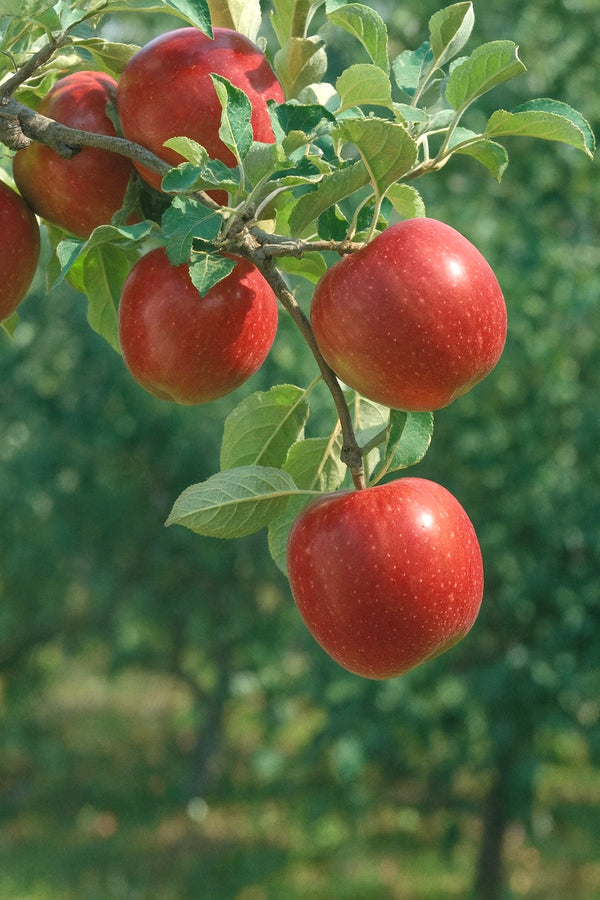
Wealthy is an American apple with a great story. After spending thousands of dollars and nearly 10 years trying to grow apples in Minnesota, Peter Gideon and his family were down to their last eight dollars. The only surviving tree was a Siberian Crab Apple, but Gideon, determined to find an apple that could thrive in Minnesota, sent his remaining money to an apple grower in Bangor, Maine. In return, he received apple seeds and scions.
One of the resulting trees, which Gideon initially thought was a cross with his Siberian crab apple, produced an apple he later named the Wealthy, after his wife, Wealthy (Hull) Gideon. Recent genetic analysis, however, revealed that it’s actually a cross between ‘Duchess of Oldenburg’ and ‘Jonathan’, which makes sense given its resemblance to Duchess.
Best Use
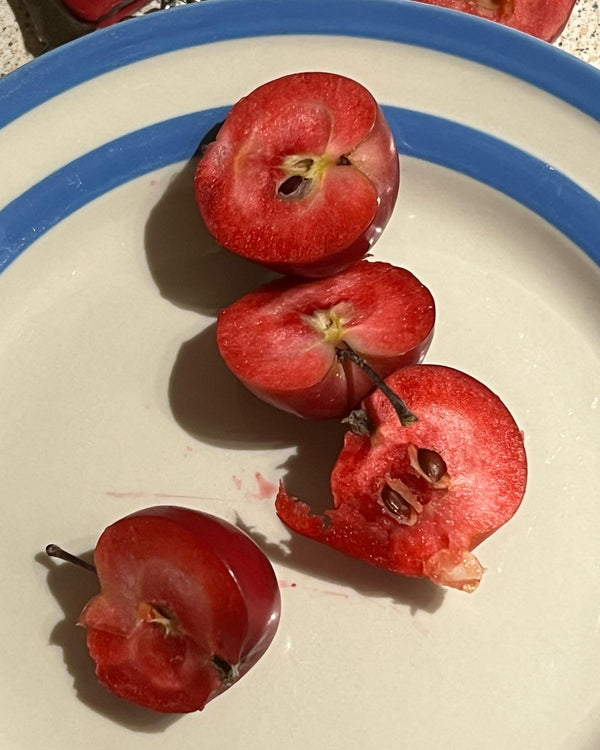
Wealthy apples are best used for processing, though Elizabeth made a delicious pie that everyone loved (see last photo). It’s also fantastic for apple sauce and apple butter, which have an excellent flavor.
While it may not be listed often online for pies, its versatility in cooking and preserving makes it a staple in many orchards.
Hardiness & Storage
Hardy to -50F, likely due to its Duchess of Oldenburg parentage.
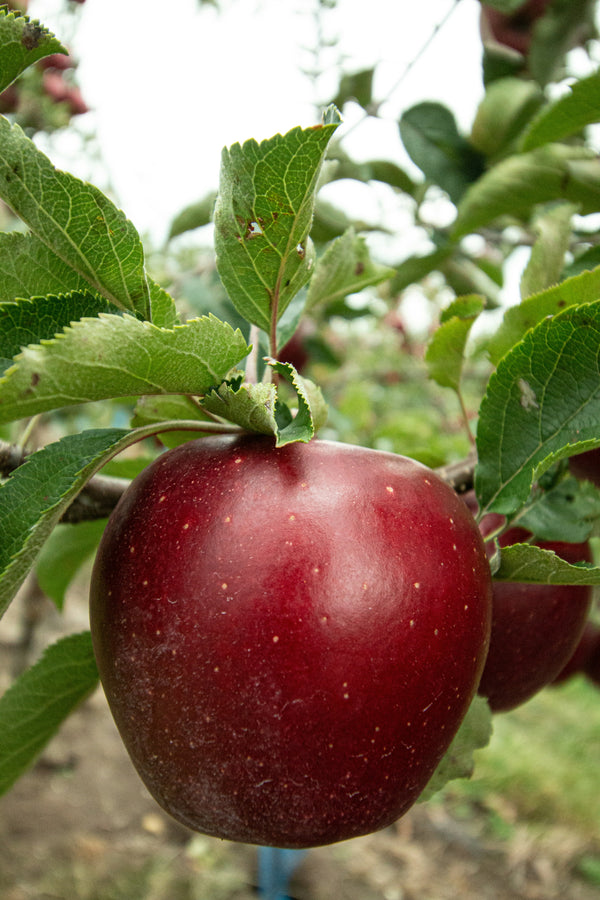
It stores well, bears reliably, and produces smaller apples. However, Fred Stewart of Green Bench Orchards managed to grow them exceptionally large in 2024, showing their potential with the right care. However, he thinned pretty extensively to achieve such a large size (4 inches in diameter).
Rootstock & Tree Size
These trees are grafted onto Spy 227, a full size rootstock hardy to -50F or more.
Questions we get about Wealthy Apple
Does Wealthy Apple need a pollenizer?
Yes. Wealthy Apple needs pollen from a different variety that blooms at about the same time. Plant a different apple or crabapple variety that blooms in groups 4 to 6. It has good pollen, so it can also pollenize other apples blooming at the same time. Partners we carry include Black Oxford Apple, Honeycrisp Apple, Northern Spy Apple.
How cold hardy is Wealthy Apple?
We rate Wealthy Apple hardy to zone 2, which means winters down to about -50°F. Our ratings come from real winters at our two Montana sites and from trusted growers across the North, not from a catalog average.
How many chill hours does Wealthy Apple need?
About 1,050 hours of winter chill (we count hours at or below 45°F), likely somewhere between 800 and 1,200. That figure is well documented: independent sources agree. Needs about 1,000 to 1,150 hours of chill, on the high side for apples, but no problem anywhere in Montana. Our chill hours guide has a calculator for your winters, and our research page lists the sources.
When does Wealthy Apple ripen?
About Sep 3 to Sep 17 in Missoula, Montana (picked and dated off our own trees). Warmer places run earlier and cooler places later; our ripening map converts the date to your town.
How big does Wealthy Apple get?
We graft Wealthy Apple onto Spy 227 (full size).
What is Wealthy Apple good for?
Our top use scores for Wealthy Apple are sauce and butter (8/10), fresh eating (7/10), pies and baking (7/10), canning and freezing (7/10). Anything scored 8 or higher makes our Best Of lists.
Is Wealthy Apple disease resistant?
No. It's very prone to cedar-apple rust, and prone to apple scab, fire blight and powdery mildew. Our apple disease resistance chart has every rating, the notes and the sources.
Will deer eat Wealthy Apple?
Yes, deer love it. Protect Wealthy Apple with a fence or a cage, especially while it is young.
More Plants Like This
By Zone
Pollination, Bloom & Ripening
Browse
Pollination partners
Trees that will pollenize Wealthy Apple
Wealthy Apple needs a different apple or crabapple nearby to set fruit. Every tree below blooms at the same time and has pollen that works for it. Plant partners within about 100 feet.
Bloom group
5 of 7 (Mid-Late)
Pollination
Needs a partner
Pollen
Good pollenizer
-
 Black Oxford Apple(Spring 2027)
From $44.99
-
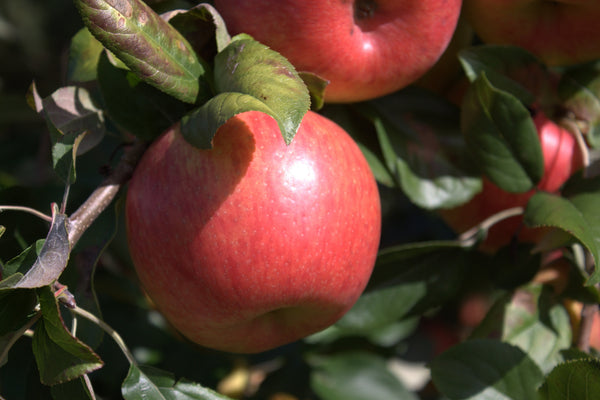 Honeycrisp Apple(Spring 2027)
From $59.99
-
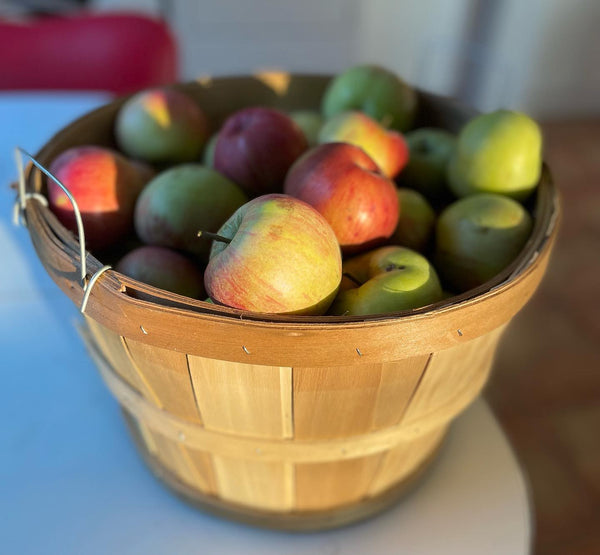 Northern Spy Apple(Spring 2027)
From $39.99
-
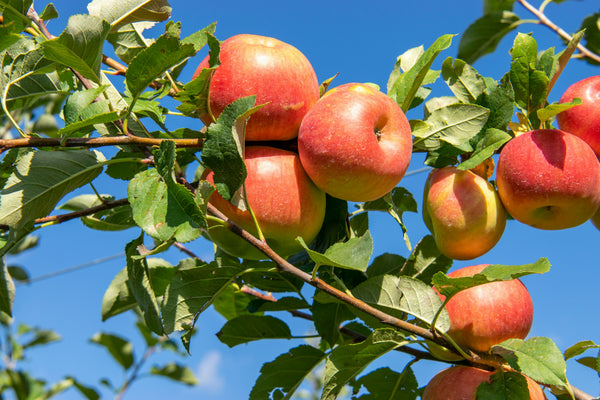 Oriole Apple(Spring 2027)
From $49.99
-
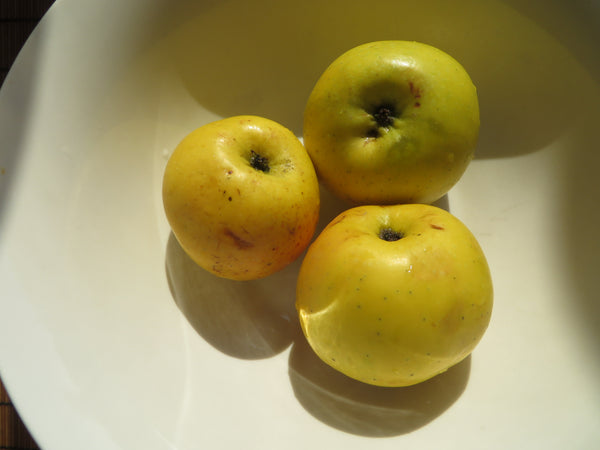 Reinette Simirenko Apple(Spring 2027)
From $44.99
-
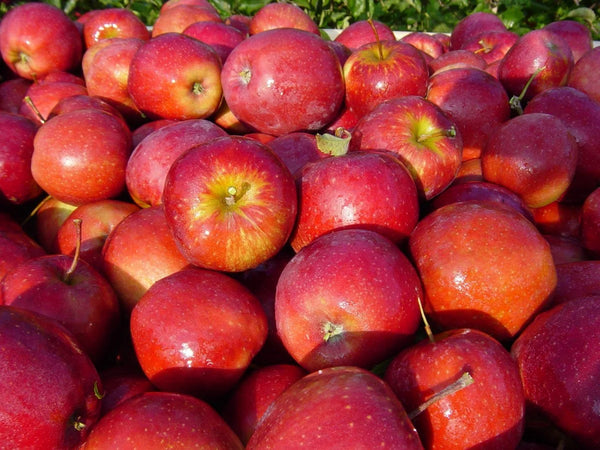 Spencer Apple(Spring 2027)
From $49.99
-
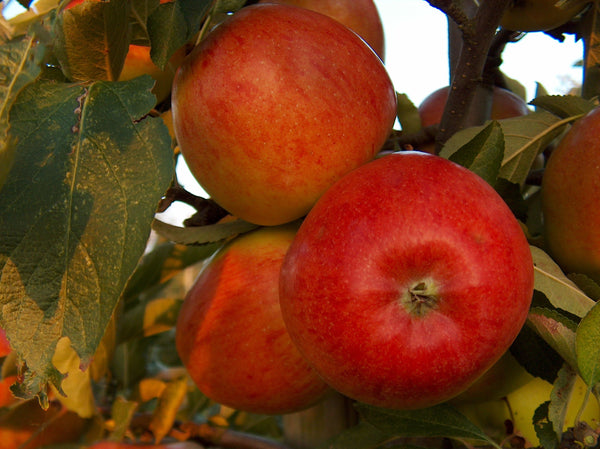 Sweet Sixteen Apple(Spring 2027)
From $44.99
-
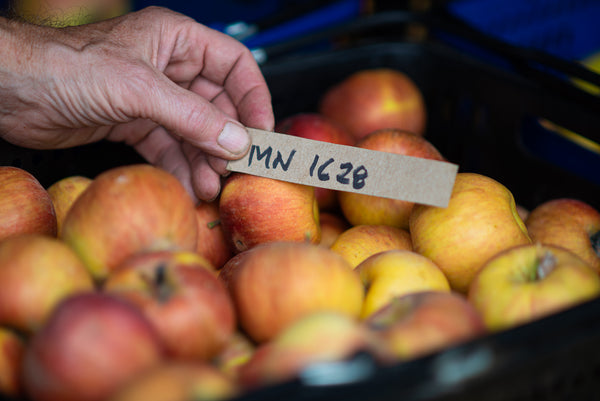 MN 1628 Apple(Spring 2027)
$89.99
-
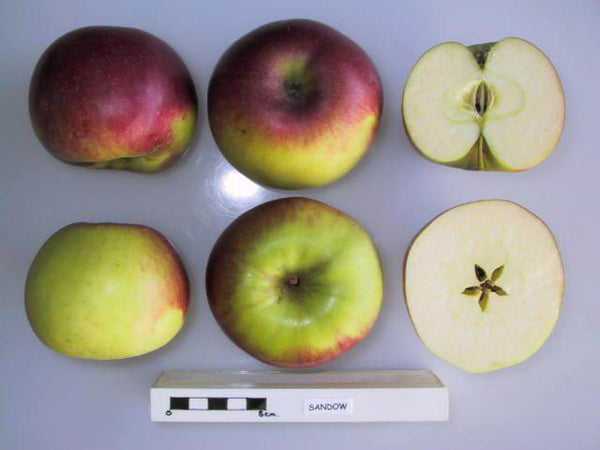 Sandow Apple(Spring 2027)
From $44.99