
Fruit Trees for Ohio
These are the cold hardy fruit trees, berries and vines that grow in Ohio, picked against real winter lows, not an average. Across the 2 areas we've mapped in Ohio, the cold to plan for runs from −11°F on the warmest ground around Cleveland, Akron and the Cuyahoga Valley to −27°F in its cold pockets. That's only part of Ohio so far. Anywhere else in the state, the cold hardiness calculator gives you the number for your address. Pick your area below and the list trims itself to what has come through that cold. Everything here ships bare root in spring 2027.
What fruit trees grow in Ohio?
The best fruit trees for Ohio are the ones that have already lived through the cold your spot gets. On typical Ohio ground (−18°F, the middle of our mapped areas), 253 of the plants we're selling for spring 2027 have come through that cold: apples like Honeycrisp, Prairie Sensation, Frostbite and Haralson; pears like Larinskaya, Krazulya and Bartlett; plums like Italian, Tipson and Native American plum; tart and bush cherries like Montmorency, Romeo and Juliet; apricots like Westcot and Manchurian. Berry bushes are the safest bet anywhere in the state.
Peaches fit most of the ground we've mapped in Ohio. Contender peach (−30°F), Siberian C peach (−35°F) and Blushingstar peach (−30°F) have come through colder than most of the Ohio ground we've mapped, which plans for −18°F. Plant them up on a bench or slope, never the low spot, since bloom frost is the bigger risk.
For your exact address, the cold hardiness calculator gives you the number to plan for and every plant we grow that has survived it.
Pick your area of Ohio
Showing all 253 plants that fit somewhere in Ohio. Ones tagged "Warm spots only" need the warmest ground in the state.
253 plants fit most ground in Cleveland, Akron and the Cuyahoga Valley (−18°F). The map runs −11°F to −27°F there, so open the map for Cleveland, Akron and the Cuyahoga Valley to get the number at your place.
253 plants fit most ground in Columbus and Central Ohio (−18°F). The map runs −13°F to −20°F there, so open the map for Columbus and Central Ohio to get the number at your place.
Apple Trees for Ohio
 Honeycrisp AppleZone 2b · −45°Ffrom $59.99
 Prairie Sensation AppleZone 2 · −50°Ffrom $54.99
 Frostbite AppleZone 2b · −45°Ffrom $59.99
 Haralson AppleZone 2b · −45°Ffrom $54.99
 Zestar!® AppleZone 3 · −40°Ffrom $59.99
 Arkansas Black AppleZone 3 · −40°Ffrom $44.99
 Carroll AppleZone 2 · −50°Ffrom $49.99
 Norkent AppleZone 2 · −50°Ffrom $54.99
 Liberty AppleZone 3b · −35°Ffrom $49.99
 Dearborn's Unknown AppleZone 2 · −50°Ffrom $59.99
 Kindercrisp AppleZone 2 · −50°Ffrom $44.99
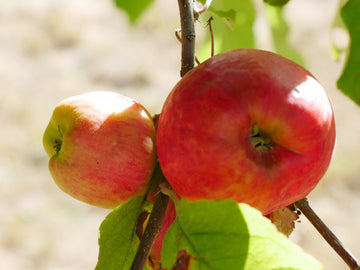 Goodland AppleZone 2b · −45°Ffrom $44.99
 Fred's Mac AppleZone 3 · −40°Ffrom $59.99
 Wolf River AppleZone 2 · −50°Ffrom $49.99
 Norda AppleZone 2 · −50°Ffrom $54.99
 Tropical Winter AppleZone 3 · −40°Ffrom $44.99
 Pink Pearl AppleZone 3b · −35°Ffrom $74.99
 Empire AppleZone 3b · −35°Ffrom $34.99
 Golden Russet AppleZone 3 · −40°Ffrom $44.99
 Evercrisp® AppleZone 4 · −30°Ffrom $59.99
 Ribston Pippin Cider AppleZone 3b · −35°Ffrom $49.99
 Norland AppleZone 2 · −50°Ffrom $49.99
 Airlie Red Flesh AppleZone 3b · −35°Ffrom $64.99
 Spokane Beauty AppleZone 3b · −35°Ffrom $89.99
 Blue Pearmain AppleZone 3b · −35°Ffrom $39.99
 Spartan AppleZone 3 · −40°Ffrom $59.99
 Parkland AppleZone 1 · −60°Ffrom $74.99
 Northern Spy AppleZone 4 · −30°Ffrom $39.99
 Glockenapfel AppleZone 4b · −25°Ffrom $74.99
 Cortland AppleZone 3 · −40°Ffrom $44.99
 Newtown Pippin AppleZone 4 · −30°Ffrom $44.99
 September Ruby AppleZone 2 · −50°Ffrom $49.99
 William's Pride AppleZone 3b · −35°Ffrom $74.99
 Lodi AppleZone 2b · −45°Ffrom $54.99
 Wealthy AppleZone 2 · −50°Ffrom $59.99
 Pristine AppleZone 4 · −30°Ffrom $49.99
 Roxbury Russet AppleZone 4 · −30°Ffrom $89.99
 Prairie Spy AppleZone 3 · −40°Ffrom $59.99
 Macoun AppleZone 3b · −35°Ffrom $59.99
 Gravenstein AppleZone 2b · −45°Ffrom $54.99
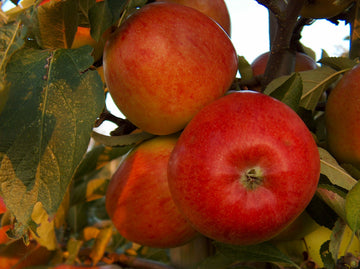 Sweet Sixteen AppleZone 3 · −40°Ffrom $44.99
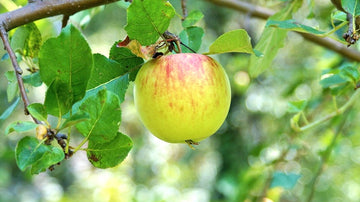 9-22 End AppleZone 2b · −45°Ffrom $44.99
 Ashmead's Kernel AppleZone 3b · −35°Ffrom $89.99
 Wise Monkey AppleZone 4 · −30°Ffrom $44.99
 Spartan x Mac Apple Seedling (Bundle of 2)Zone 3 · −40°Ffrom $59.99
 MN 1628 AppleZone 3 · −40°Ffrom $89.99
 Six Finger Jack AppleZone 4 · −30°Ffrom $59.99
 Northfield Beauty AppleZone 3 · −40°Ffrom $49.99
 Cox Orange Pippin AppleZone 3b · −35°Ffrom $59.99
 Hunt Russet AppleZone 4 · −30°Ffrom $84.99
 Belle de Boskoop AppleZone 4 · −30°Ffrom $89.99
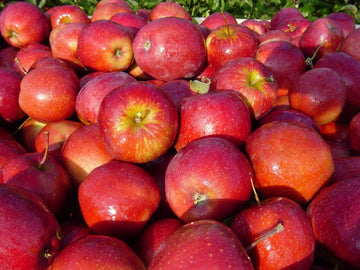 Spencer AppleZone 3 · −40°Ffrom $49.99
 Red Baron AppleZone 3 · −40°Ffrom $74.99
 Northwest Greening AppleZone 3 · −40°Ffrom $49.99
 Crimson Beauty AppleZone 3 · −40°Ffrom $59.99
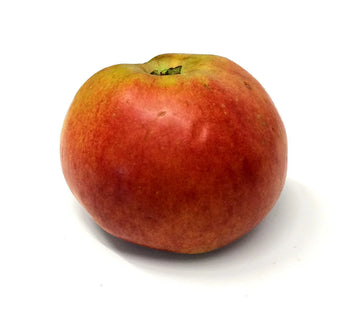 Alexander AppleZone 3 · −40°Ffrom $49.99
 Pink Princess AppleZone 4 · −30°Ffrom $44.99
 Lubsk Queen AppleZone 4 · −30°Ffrom $39.99
 Karmijn de Sonnaville AppleZone 4 · −30°Ffrom $44.99
 Black Oxford AppleZone 3b · −35°Ffrom $44.99
 Dolores River Sorbet AppleZone 4 · −30°Ffrom $49.99
 Binet Rouge AppleZone 3 · −40°Ffrom $74.99
 Triumph AppleZone 3b · −35°Ffrom $44.99
 Paula Red AppleZone 3 · −40°Ffrom $59.99
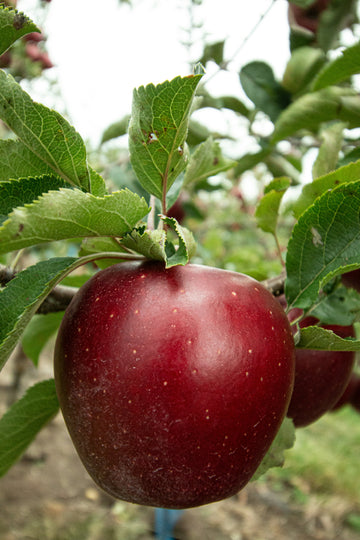 Thunderbolt AppleZone 4 · −30°Ffrom $49.99
 Sunrise (Canada) AppleZone 3b · −35°Ffrom $44.99
 Oriole AppleZone 2 · −50°Ffrom $49.99
 Margil AppleZone 4 · −30°Ffrom $44.99
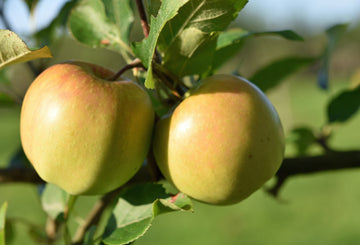 Malinda AppleZone 3 · −40°Ffrom $44.99
 Colorado Orange AppleZone 3b · −35°Ffrom $49.99
 Laxton's Favorite AppleZone 4 · −30°Ffrom $54.99
 Claygate Pearmain AppleZone 4 · −30°Ffrom $89.99
 Brown Snout AppleZone 4 · −30°Ffrom $89.99
 St. Edmund's Pippin AppleZone 5 · −20°Ffrom $44.99
 Shafer AppleZone 2 · −50°Ffrom $49.99
 Sandow AppleZone 3 · −40°Ffrom $44.99
 Rhuby AppleZone 2 · −50°Ffrom $49.99
 Reinette Simirenko AppleZone 3b · −35°Ffrom $44.99
 Redstar AppleZone 2b · −45°Ffrom $39.99
 Red Sparkle AppleZone 2b · −45°Ffrom $49.99
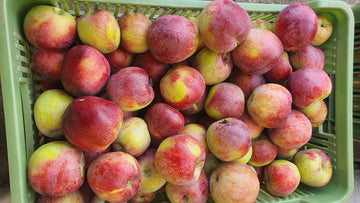 Mother AppleZone 3b · −35°Ffrom $44.99
 Autumn Strawberry AppleZone 4 · −30°Ffrom $49.99
 Kandil Sinap AppleZone 5 · −20°Ffrom $44.99
 Clayton Berg AppleZone 2 · −50°Ffrom $44.99
 Cherry Cox AppleZone 4 · −30°Ffrom $49.99
 Burgundy AppleZone 2b · −45°Ffrom $49.99
 Swiss Gourmet (aka Arlet) AppleZone 3 · −40°Ffrom $84.99
 Mantet AppleZone 2 · −50°Ffrom $49.99
 Franklin Cider AppleZone 3 · −40°Ffrom $59.99
 Tolman Sweet AppleZone 4 · −30°Ffrom $59.99
 Swiss Limbertwig AppleZone 4 · −30°Ffrom $44.99
 Starkey AppleZone 4 · −30°Ffrom $59.99
 Nova Easygro AppleZone 3b · −35°Ffrom $49.99
 Yates AppleZone 4 · −30°Ffrom $74.99
 Ellis Bitter AppleZone 4 · −30°Ffrom $74.99


See all apple trees, zone 4 apple trees, zone 5 apple trees.
Crabapples and Applecrabs for Ohio
 Kerr ApplecrabZone 2 · −50°Ffrom $54.99
 Trailman ApplecrabZone 1b · −55°Ffrom $54.99
 Dolgo Crabapple (Bundle of 2)Zone 1b · −55°Ffrom $74.99
 Centennial ApplecrabZone 2 · −50°Ffrom $59.99
 Martha ApplecrabZone 3 · −40°Ffrom $44.99
 Chestnut ApplecrabZone 2 · −50°Ffrom $59.99
 Rescue ApplecrabZone 1 · −60°Ffrom $49.99
 Hewe's Virginia CrabappleZone 3b · −35°Ffrom $74.99
 Transcendent CrabappleZone 3 · −40°Ffrom $74.99
 Trail CrabappleZone 1b · −55°Ffrom $49.99
 Hyslop CrabappleZone 3 · −40°Ffrom $74.99
 Siberian Crabapple (Bundle of 2)Zone 1 · −60°Ffrom $59.99
 Red Splendor Crabapple (Bundle of 2)Zone 2 · −50°Ffrom $69.99
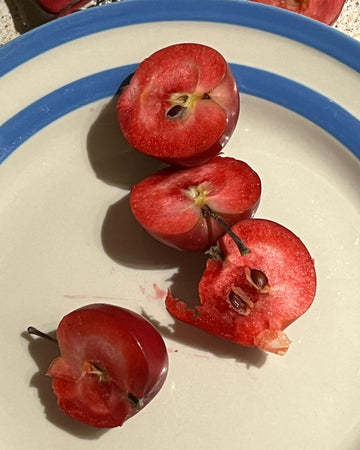 Otterson CrabappleZone 3 · −40°Ffrom $89.99


Pear Trees for Ohio
 Larinskaya PearZone 2b · −45°Ffrom $44.99
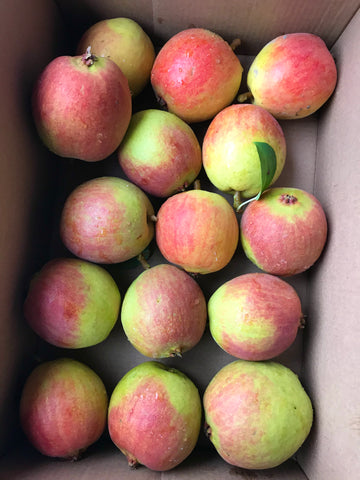 Krazulya PearZone 2 · −50°Ffrom $44.99
 Bartlett PearZone 3b · −35°Ffrom $64.99
 Summercrisp PearZone 2b · −45°Ffrom $34.99
 Seckel PearZone 3b · −35°Ffrom $109.99
 Vekovaya PearZone 2b · −45°Ffrom $49.99
 Luscious PearZone 3 · −40°Ffrom $49.99
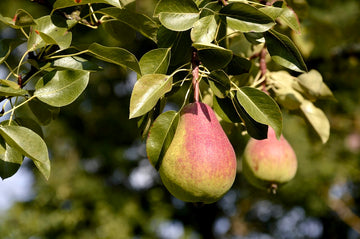 Ubileen PearZone 4 · −30°Ffrom $34.99
 Nova PearZone 3 · −40°Ffrom $49.99
 Stuttgarter Gaishirtle PearZone 3b · −35°Ffrom $49.99
 Bolshaya PearZone 2 · −50°Ffrom $34.99
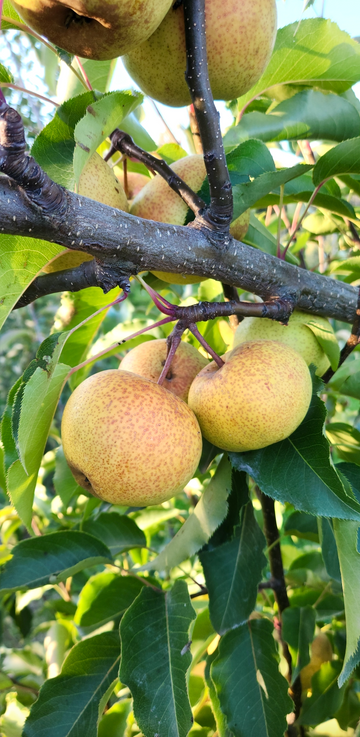 Taylor Apple PearZone 2b · −45°Ffrom $39.99
 Ure PearZone 2b · −45°Ffrom $49.99
 Savignac PearZone 3 · −40°Ffrom $44.99
 Hudar PearZone 3 · −40°Ffrom $44.99
 Frost PearZone 3 · −40°Ffrom $34.99
 Cold Snap® PearZone 3 · −40°Ffrom $34.99
 Honeysweet PearZone 4 · −30°Ffrom $49.99
 D'Anjou PearZone 4 · −30°Ffrom $64.99
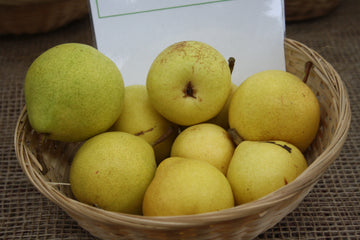 Clara Frijs PearZone 3b · −35°Ffrom $49.99
 Bulgaria PearZone 2 · −50°Ffrom $49.99
 Waterville PearZone 3 · −40°Ffrom $39.99
 Vermont Beauty PearZone 3 · −40°Ffrom $49.99
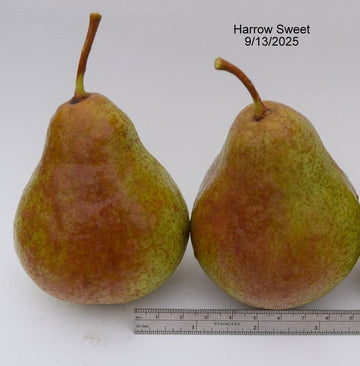 Harrow Sweet PearZone 4 · −30°Ffrom $34.99
 Golden Russet Bosc PearZone 4 · −30°Ffrom $64.99
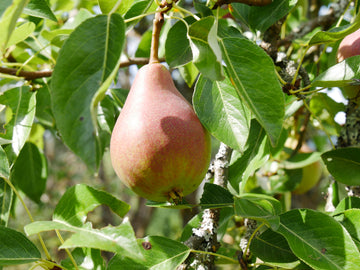 Clapp's Favorite PearZone 4 · −30°Ffrom $49.99


Plum Trees for Ohio
 Italian PlumZone 3b · −35°Ffrom $74.99
 Tipson PlumcotZone 4 · −30°Ffrom $49.99
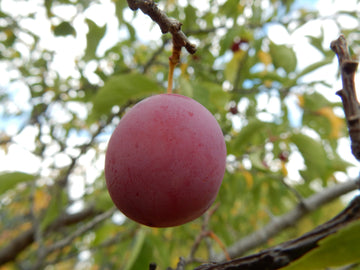 Native American Plum (Bundle of 3)Zone 2 · −50°Ffrom $99.99Native
 Prairie Red Plum (Bundle of 2)Zone 2 · −50°Ffrom $74.99
 Mount Royal PlumZone 2b · −45°Ffrom $49.99
 La Crescent PlumZone 3 · −40°Ffrom $109.99
 Underwood PlumZone 3 · −40°Ffrom $64.99
 Toka PlumZone 2b · −45°Ffrom $49.99
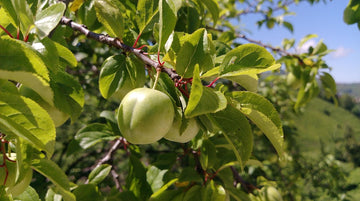 Ptitsin #5 PlumZone 2 · −50°Ffrom $54.99
 Mirabelle de Bitterroot Plum (Bundle of 2)Zone 3b · −35°Ffrom $99.99
 Superior PlumZone 3b · −35°Ffrom $49.99
 Pipestone PlumZone 3 · −40°Ffrom $59.99
 Kuban Delight PlumZone 3b · −35°Ffrom $109.99
 Black Ice PlumZone 3 · −40°Ffrom $44.99
 Benson's Gem PlumZone 3b · −35°Ffrom $44.99
 Gracious PlumZone 3 · −40°Ffrom $59.99
 Kahinta PlumZone 3 · −40°Ffrom $79.99
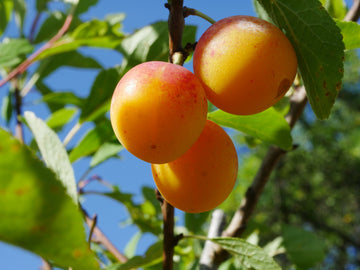 Brookgold PlumZone 2 · −50°Ffrom $59.99
 Deluge PlumZone 3b · −35°Ffrom $59.99
 Kaga PlumZone 3 · −40°Ffrom $54.99


See all plum trees.
Cherry Trees and Bush Cherries for Ohio
 Lapins Sweet CherryZone 3b · −35°Ffrom $64.99
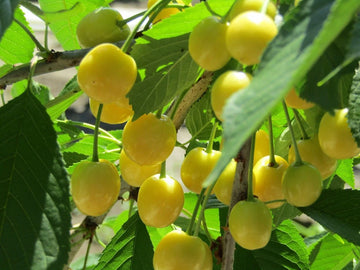 Gold Sweet CherryZone 3b · −35°Ffrom $64.99
 Black Gold Sweet CherryZone 3b · −35°Ffrom $64.99
 White Gold Sweet CherryZone 3b · −35°Ffrom $64.99
 Rainier Sweet CherryZone 4 · −30°Ffrom $64.99
 Montmorency Tart CherryZone 3b · −35°Ffrom $64.99
 Romeo Dwarf Cherry (Bundle of 2)Zone 2 · −50°Ffrom $99.99
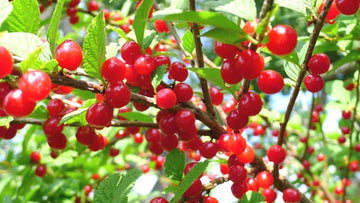 Nanking Cherry (Bundle of 3)Zone 2 · −50°Ffrom $79.99
 Juliet Dwarf Cherry (Bundle of 2)Zone 2 · −50°Ffrom $99.99
 Evan's Bali Tart CherryZone 2b · −45°Ffrom $54.99
 Sand Cherry (Bundle of 3)Zone 2 · −50°Ffrom $79.99Native
 Ian White Nanking Cherry (Bundle of 2)Zone 2 · −50°Ffrom $54.99
 Meteor Tart CherryZone 3 · −40°Ffrom $119.99
 Jules Nanking Cherry (Bundle of 2)Zone 2 · −50°Ffrom $54.99
 Chokecherry (Bundle of 3)Zone 2 · −50°Ffrom $89.99Native
 Balaton Tart CherryZone 3b · −35°Ffrom $64.99
 Jan Bush Cherry (Bundle of 2)Zone 3b · −35°Ffrom $54.99
 Joy Bush Cherry (Bundle of 2)Zone 3b · −35°Ffrom $54.99
 Joel Bush Cherry (Bundle of 2)Zone 3b · −35°Ffrom $59.99
 FE Tart CherryZone 2b · −45°Ffrom $49.99


Apricot Trees for Ohio
 Westcot ApricotZone 2b · −45°Ffrom $49.99
 Manchurian Apricot (Bundle of 2)Zone 2b · −45°Ffrom $69.99
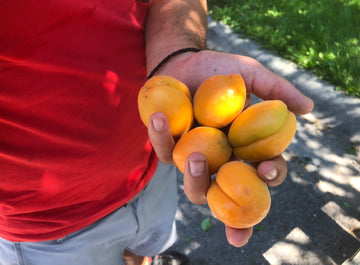 Morden 604 ApricotZone 2b · −45°Ffrom $49.99
 Zard Apricot Seedling (Bundle of 2)Zone 4 · −30°Ffrom $99.99
 Debbie's Gold ApricotZone 2b · −45°Ffrom $54.99
 Alice Sharp ApricotZone 3b · −35°Ffrom $44.99
 Morden 604 Apricot Seedling (Bundle of 2)Zone 2b · −45°Ffrom $89.99
 Bill's Nectar PeachcotZone 4 · −30°Ffrom $59.99
 Wayne ApricotZone 3 · −40°Ffrom $49.99
 Tomcot ApricotZone 4 · −30°Ffrom $49.99
 Corbett ApricotZone 3b · −35°Ffrom $69.99


Peach and Nectarine Trees for Ohio
 Contender PeachZone 4 · −30°Ffrom $54.99
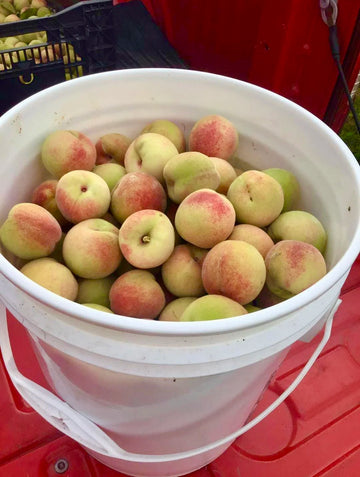 Siberian C Peach Seedling (Bundle of 2)Zone 3b · −35°Ffrom $109.99
 Blushingstar PeachZone 4 · −30°Ffrom $54.99
 Hardired NectarineZone 4b · −25°Ffrom $44.99
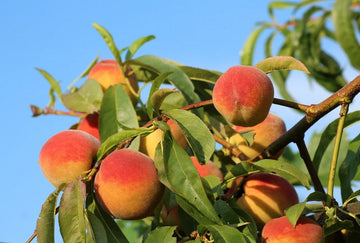 Risingstar PeachZone 4b · −25°Ffrom $54.99
 Fantasia NectarineZone 5 · −20°Ffrom $64.99
 Glowingstar PeachZone 4b · −25°Ffrom $64.99
 Glohaven PeachZone 4b · −25°Ffrom $64.99
 Mericrest NectarineZone 5 · −20°Ffrom $44.99
 Flavortop NectarineZone 5 · −20°Ffrom $64.99


Berry Bushes for Ohio
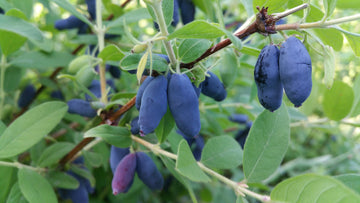 Honeyberry (Bundle of 4)Zone 2 · −50°Ffrom $139.99
 Cold Climate Blueberry Bundle (Bundle of 3)Zone 3 · −40°Ffrom $99.99
 Sea Buckthorn (Bundle of 5)Zone 2 · −50°Ffrom $119.99
 Anne Yellow Raspberry (Bundle of 5)Zone 3 · −40°Ffrom $79.99
 Huckleberry (Bundle of 3)Zone 3 · −40°Ffrom $89.99Native
 Nova Raspberry (Bundle of 5)Zone 2 · −50°Ffrom $79.99
 Honeoye Strawberry (Bundle of 25)Zone 2 · −50°Ffrom $74.99
 Boyne Raspberry (Bundle of 5)Zone 2 · −50°Ffrom $79.99
 American Elderberry (Bundle of 3)Zone 2 · −50°Ffrom $79.99Native
 Polana Raspberry (Bundle of 5)Zone 3 · −40°Ffrom $79.99
 Cavendish Strawberry (Bundle of 25)Zone 3 · −40°Ffrom $74.99
 Montana Black Currant (Bundle of 3)Zone 2 · −50°Ffrom $89.99Native
 Serviceberry (Bundle of 5)Zone 2 · −50°Ffrom $99.99Native
 Golden Currant (Bundle of 3)Zone 2 · −50°Ffrom $89.99Native
 Buffaloberry (Bundle of 5)Zone 2 · −50°Ffrom $99.99Native
 Adam's Elderberry (Bundle of 2)Zone 3 · −40°Ffrom $59.99
 John's Elderberry (Bundle of 2)Zone 3 · −40°Ffrom $59.99
 Annapolis Strawberry (Bundle of 25)Zone 3 · −40°Ffrom $74.99
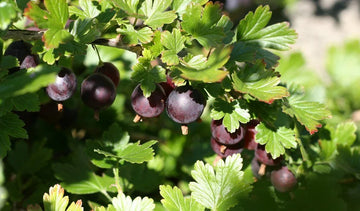 Black Velvet Gooseberry (Bundle of 2)Zone 3 · −40°Ffrom $59.99
 AC Wendy Strawberry (Bundle of 25)Zone 3 · −40°Ffrom $74.99
 Sparkle Strawberry (Bundle of 25)Zone 3 · −40°Ffrom $74.99
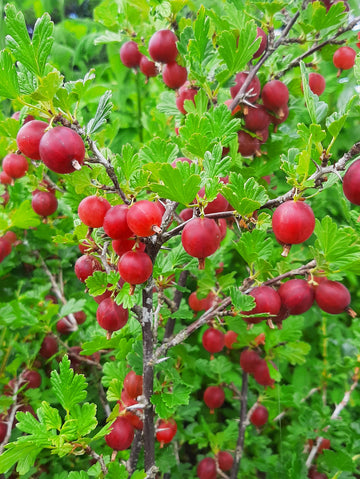 Hinnomaki Red Gooseberry (Bundle of 2)Zone 3 · −40°Ffrom $59.99
 Goji Berry (Bundle of 3)Zone 3 · −40°Ffrom $79.99
 Aronia Berry (Bundle of 3)Zone 2 · −50°Ffrom $79.99Native
 Jostaberry (Bundle of 3)Zone 3b · −35°Ffrom $59.99
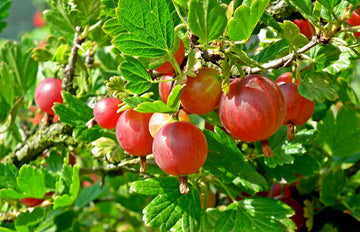 Jahn's Prairie Gooseberry (Bundle of 2)Zone 3 · −40°Ffrom $59.99
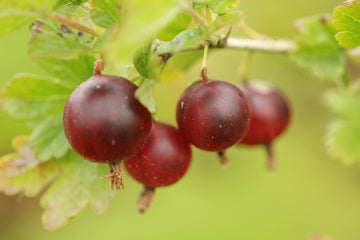 Jeanne Gooseberry (Bundle of 2)Zone 3 · −40°Ffrom $59.99
 Red Lake Currant (Bundle of 2)Zone 3 · −40°Ffrom $54.99
 Titania Black Currant (Bundle of 2)Zone 3 · −40°Ffrom $54.99
 Captivator Gooseberry (Bundle of 2)Zone 3 · −40°Ffrom $59.99
 Royalty Purple Raspberry (Bundle of 3)Zone 4 · −30°Ffrom $74.99


Grapes and Hardy Kiwi for Ohio
 Somerset Seedless Grape (Bundle of 2)Zone 3 · −40°Ffrom $59.99
 Valiant Grape (Bundle of 2)Zone 2 · −50°Ffrom $59.99
 Bluebell Grape (Bundle of 2)Zone 2 · −50°Ffrom $59.99
 Swenson Red Grape (Bundle of 2)Zone 4 · −30°Ffrom $59.99
 Marquette Grape (Bundle of 2)Zone 3b · −35°Ffrom $59.99
 Itasca Grape (Bundle of 2)Zone 3b · −35°Ffrom $59.99
 Frontenac Grape (Bundle of 2)Zone 3b · −35°Ffrom $59.99
 Concord Grape (Bundle of 2)Zone 4 · −30°Ffrom $59.99
 Prairie Star Grape (Bundle of 2)Zone 3 · −40°Ffrom $59.99
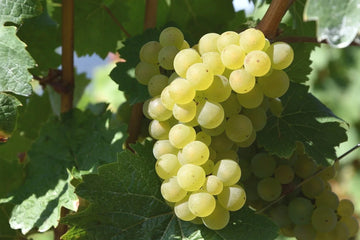 Brianna Grape (Bundle of 2)Zone 3 · −40°Ffrom $59.99
 La Crescent Grape (Bundle of 2)Zone 3 · −40°Ffrom $59.99
 Sabrevois Grape (Bundle of 2)Zone 3 · −40°Ffrom $59.99


Nut Trees for Ohio
 American Hazelnut (Bundle of 3)Zone 3 · −40°Ffrom $79.99
 Purvis Hardy English Walnut (Bundle of 2)Zone 4b · −25°Ffrom $79.99
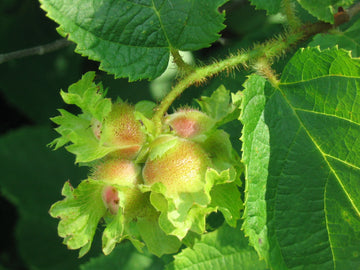 Cortland Hybrid Hazelnut Seedling (Bundle of 3)Zone 3b · −35°Ffrom $99.99
 Black Walnut (Bundle of 3)Zone 3 · −40°Ffrom $99.99
 Ultra Northern English Walnut (Bundle of 2)Zone 4b · −25°Ffrom $119.99


See all nut trees.
Unusual Fruit for Ohio
 Trader Mulberry (Bundle of 2)Zone 3 · −40°Ffrom $89.99
 Montana Trial Pawpaw (Bundle of 2)Zone 4 · −30°Ffrom $79.99
 Montana Trial Persimmon (Bundle of 5)Zone 4b · −25°Ffrom $149.99Native
 Hawthorn (Bundle of 3)Zone 3 · −40°Ffrom $79.99
 Mountain Ash (Bundle of 3)Zone 3 · −40°Ffrom $99.99Native
 Ivan's Beauty Aronia x Mtn. AshZone 3 · −40°Ffrom $49.99
 Aromatnaya Russian QuinceZone 4 · −30°Ffrom $49.99
 Ravalli QuinceZone 4 · −30°Ffrom $34.99
 Rocky Mountain Medlar (Bundle of 2)Zone 4 · −30°Ffrom $99.99


See all unusual fruit.
What our microclimate maps found in Ohio
We've mapped 2 fruit growing areas in Ohio, down to the bench and the draw. Here's the short version of what turned up, all pulled from the maps themselves. Click any area to open its full map.
2areas mapped in Ohio
−11°Fwarmest ground we've mapped, in Cleveland, Akron and the Cuyahoga Valley
−27°Fcoldest pocket we've mapped, in Cleveland, Akron and the Cuyahoga Valley
−30°Fcoldest reading on our Ohio maps, Fredericktown 4 S, at the map's edge, January 18, 1994
174 to 226frost free days in town, from Columbus to Burke Lakefront airport, Cleveland
1. Still, clear nightThe ground loses heat and the air touching it gets cold and heavy.
2. Cold air drainsIt slides downhill like water, down draws and creeks.
3. It pools lowRiver bottoms, flats and basins fill up and read coldest.
4. Benches stay warmerSlopes and benches above the pool run warmer, in winter and at bloom.
How cold each area gets
Each bar runs from an area's warmest growing ground (left) to its coldest bottoms (right). The black mark is the planning low for most of its ground.
−10°F−20°F−30°F
warm ground to cold groundmost ground plans for
How long the frost free season runs
Median days between the last 32°F night in spring and the first in fall, 1991 to 2020, at the NOAA station closest to each map's main town. Frost pockets on these maps typically see their last frost about a week and a half after town.
Cleveland, Akron and the Cuyahoga Valley
Apr 6 to Nov 16, Burke Lakefront airport, Cleveland
Frost pockets like Reminderville run about a week and a half later
Apr 6 to Nov 16, Burke Lakefront airport, Cleveland
Frost pockets like Reminderville run about a week and a half later
What stood out on each map
Cleveland, Akron and the Cuyahoga ValleyIn the February 2015 cold snap Chardon read −29°F while Burke Lakefront on the downtown shore read −7°F, a 22°F spread over about 25 miles.
On still, clear nights the river trenches fill with cold: the Cuyahoga's trench through the national park, the Rocky River gorge, Tinkers Creek and the Chagrin valley. The broad, flat plateau across Portage and Geauga counties and the flat escarpment top also make and hold their own cold.
On still, clear nights the river trenches fill with cold: the Cuyahoga's trench through the national park, the Rocky River gorge, Tinkers Creek and the Chagrin valley. The broad, flat plateau across Portage and Geauga counties and the flat escarpment top also make and hold their own cold.
Columbus and Central OhioIn the January 1961 cold snap the Westerville station read −21°F while the old Columbus city station 11 miles away read −5°F, a 16°F gap.
The land drains south to the Scioto, and on a still night cold air follows that grain downhill to the widest, lowest ground in the south of the county near Lockbourne. The river gorges and creek bottoms collect it too, while benches a little above the floor stay milder.
The land drains south to the Scioto, and on a still night cold air follows that grain downhill to the widest, lowest ground in the south of the county near Lockbourne. The river gorges and creek bottoms collect it too, while benches a little above the floor stay milder.
Ohio growing zones for fruit trees
Most of the ground we've mapped in Ohio falls in MFTC zone 5, with the warmest spots in zone 5b (−11°F) and the coldest bottoms down in zone 4a (−27°F). That's colder than USDA's map, and it's on purpose: USDA's zone comes from an average winter's coldest night, ours from the bad winter a tree has to live through. Every plant we sell is zoned to the coldest temperature it has actually survived. Here's each area we've mapped, with the planning low for most of its ground and the range from its warmest benches to its coldest bottoms.
| Area | Towns | Most ground | Range | Start with |
|---|---|---|---|---|
| Cleveland, Akron and the Cuyahoga Valley | Cleveland, Akron, Lakewood, Medina, Kent, Chardon | −18°F (zone 5a) | −11°F to −27°F | William's Pride apple, Seckel pear, Lapins sweet cherry |
| Columbus and Central Ohio | Columbus, Dublin, Westerville, Delaware, Worthington, Upper Arlington, Grove City, Pataskala | −18°F (zone 5a) | −13°F to −20°F | Glohaven peach, Lapins sweet cherry, Italian plum |
Shopping by zone instead? Start with our zone 4 fruit trees and zone 5 fruit trees. A few spots on each map run a zone colder than the town next door, and that's what the maps are for.
Cleveland, Akron and the Cuyahoga Valley. In the February 2015 cold snap the Chardon station read −29°F while Burke Lakefront, on the shore in downtown Cleveland, read −7°F. Around Cleveland and Akron, the lake, the escarpment and the river valleys decide what a cold night does at your place.
See every Ohio map on our Ohio microclimate maps page.
Native fruit we grow
If you're after native fruit, huckleberry, Native American plum, American elderberry, Montana black currant and serviceberry are the ones we grow. They feed birds and wildlife and shrug off cold that would kill a lot of grafted trees.
Getting fruit trees to make it in Ohio
Cold is only part of it. Plant on a slope or bench, not the bottom of a draw, since cold air drains downhill and pools in the low spots on a still night, and that's where blossoms get frosted. Give trees shelter from the wind, put them on drip so the soil never dries out through the summer, then taper it off from mid August so they harden off before the first hard freeze. Paint the trunks white against sunscald (how we do it) and put a quarter inch hardware cloth guard, at least two feet tall, around each trunk for voles and ground squirrels.
Rootstock matters as much as the variety. In the coldest ground we graft onto hardy standard rootstocks, and our rootstock guide explains the tradeoffs. Most apples, pears, plums and sweet cherries need a second variety blooming at the same time to pollenize them; our pollination maps show which ones pair up. Short on room for two? Lapins sweet cherry, Contender peach and Westcot apricot are self fertile, and so is everything in our self fertile fruit trees collection.
Ordering bare root trees for Ohio
Everything on this page ships bare root in spring 2027, dormant, with the roots wrapped in moist sawdust and a vapor barrier, so you can plant as soon as your ground can be worked. Put your order in over the winter, since the best sellers run out. Not sure what to pick? Fill out our We Pick Your Trees form and we'll put a list together for your spot, or email us through the contact page with where you are and what you want to grow. Every plant is guaranteed to bud out (details in our FAQ).
Questions people ask about fruit trees in Ohio
Can you grow fruit trees in Ohio?
Yes. The trick is picking varieties zoned to the cold your spot actually gets. Our maps put most of the Ohio ground we've mapped at −18°F for planning, and 253 of the plants we're selling for spring 2027 have come through that, from hardy apples and pears to plums, tart cherries and berries.
What are the best apple trees for Ohio?
For most of the Ohio ground we've mapped we'd start with Honeycrisp, Prairie Sensation, Frostbite, Haralson and Zestar!®. Each has come through −18°F or colder. All of them clear even the coldest pockets we've mapped in Ohio (−27°F).
What growing zone is Ohio for fruit trees?
Most of the ground we've mapped in Ohio is MFTC zone 5, running from −11°F on the warmest ground around Cleveland, Akron and the Cuyahoga Valley down to −27°F in its cold pockets. USDA's map reads warmer because it's built on an average winter, not the bad one.
Can cherry trees grow in Ohio?
Tart and bush cherries, yes: Montmorency tart cherry, Romeo dwarf cherry and Juliet dwarf cherry all fit most of the Ohio ground we've mapped. Sweet cherries can too. Lapins sweet cherry, one of the hardiest we sell, has come through −35°F, colder than most ground here plans for. Plant it up on a slope, since bloom frost is the bigger risk.
Can you grow peaches in Ohio?
Yes. Contender peach (−30°F), Siberian C peach (−35°F) and Blushingstar peach (−30°F) have come through colder than most of the Ohio ground we've mapped, which plans for −18°F. Plant them up on a slope, since bloom frost is the bigger risk.
Where is the warmest ground for fruit trees in Ohio?
On our maps the warmest growing ground is West Lakeshore in Cleveland, Akron and the Cuyahoga Valley (−11°F), then King-Lincoln Bronzeville in Columbus and Central Ohio (−13°F). Those numbers are the planning lows, the cold a tree there has to live through in a bad winter.
Where are the coldest frost pockets in Ohio?
The coldest spots on our Ohio maps are Jeddoe in Cleveland, Akron and the Cuyahoga Valley (−27°F) and Johnstown in Columbus and Central Ohio (−20°F). Low ground like that is where cold air pools on a still night, so it runs colder than the town nearby.
What's the coldest temperature on Ohio's microclimate maps?
The coldest reading on our Ohio maps is −30°F at Fredericktown 4 S, at the map's edge on January 18, 1994, on the Columbus and Central Ohio map.
When is the last frost in Ohio?
It depends a lot on where you are. At the NOAA station closest to each map's main town, the median last 32°F night in spring runs from April 6 at Burke Lakefront airport, Cleveland (Cleveland, Akron and the Cuyahoga Valley) to April 27 at Columbus (Columbus and Central Ohio). Frost pockets on these maps typically see their last frost about a week and a half after town, in spots like Reminderville (Cleveland, Akron and the Cuyahoga Valley). Open the map for your area to see where your spot sits.
How long is the growing season in Ohio?
At the NOAA station closest to each map's main town, the frost free season runs from about 174 days at Columbus (Columbus and Central Ohio) to about 226 days at Burke Lakefront airport, Cleveland (Cleveland, Akron and the Cuyahoga Valley). Frost pockets on each map run shorter than their town, which is why the spot you're on matters as much as the state.
When should I plant fruit trees in Ohio?
In spring, as soon as the ground thaws and can be worked, while the trees are still dormant. We ship bare root in spring 2027 so the trees arrive dormant and ready to go in the ground.
Do you ship bare root fruit trees to Ohio?
Yes. We ship bare root trees, berries and vines to Ohio every spring, and you can also pick up in Missoula, Montana, if you choose that at checkout.
Fruit trees for other states
Alaska, Colorado, Idaho, Illinois, Indiana, Iowa, Maine, Massachusetts, Michigan, Minnesota, Montana, Nebraska, Nevada, New Hampshire, New Mexico, New York, North Dakota, Oregon, Pennsylvania, South Dakota, Utah, Vermont, Washington, Wisconsin, Wyoming. Or start from the fruit trees by state page.
Not sure what to plant? We'll pick your trees.
Tell us about your place, your goals and your budget. We'll pick what fits, build the order for you and email it over within 1 to 2 days.